The Royal Institution of Chartered Surveyors (RICS) has documented over 250 errors, omissions, and contradictions in expert witness reports submitted in housing disrepair cases, with serious concerns about professionals using pre-populated templates without proper investigation. [3] As Awaab's Law extends into 2026 with expanded hazard categories beyond damp and mould—now encompassing electrical safety, fire risks, and excess heat—Expert Witness Challenges in Awaab's Law 2026 Disputes: Testifying on Expanded Hazards in Rental Valuations have intensified dramatically, placing unprecedented pressure on surveyors to maintain impartiality while navigating complex technical assessments under impossible timeframes.
The legislation, which came into effect in October 2025, mandates social landlords investigate significant hazards within strict deadlines or face penalties from the Regulator of Social Housing. [3] Yet the 24-hour investigation requirement creates conditions that force unqualified individuals to make medical and environmental risk decisions without adequate assessment time, according to industry experts. [3] This tension between regulatory compliance and professional standards has created a crisis point for expert witness testimony in rental property disputes.
Key Takeaways
- RICS has issued formal practice alerts identifying serious quality issues with expert witness reports, including conflicts of interest, inadequate qualifications, and template-based assessments without proper site verification [1]
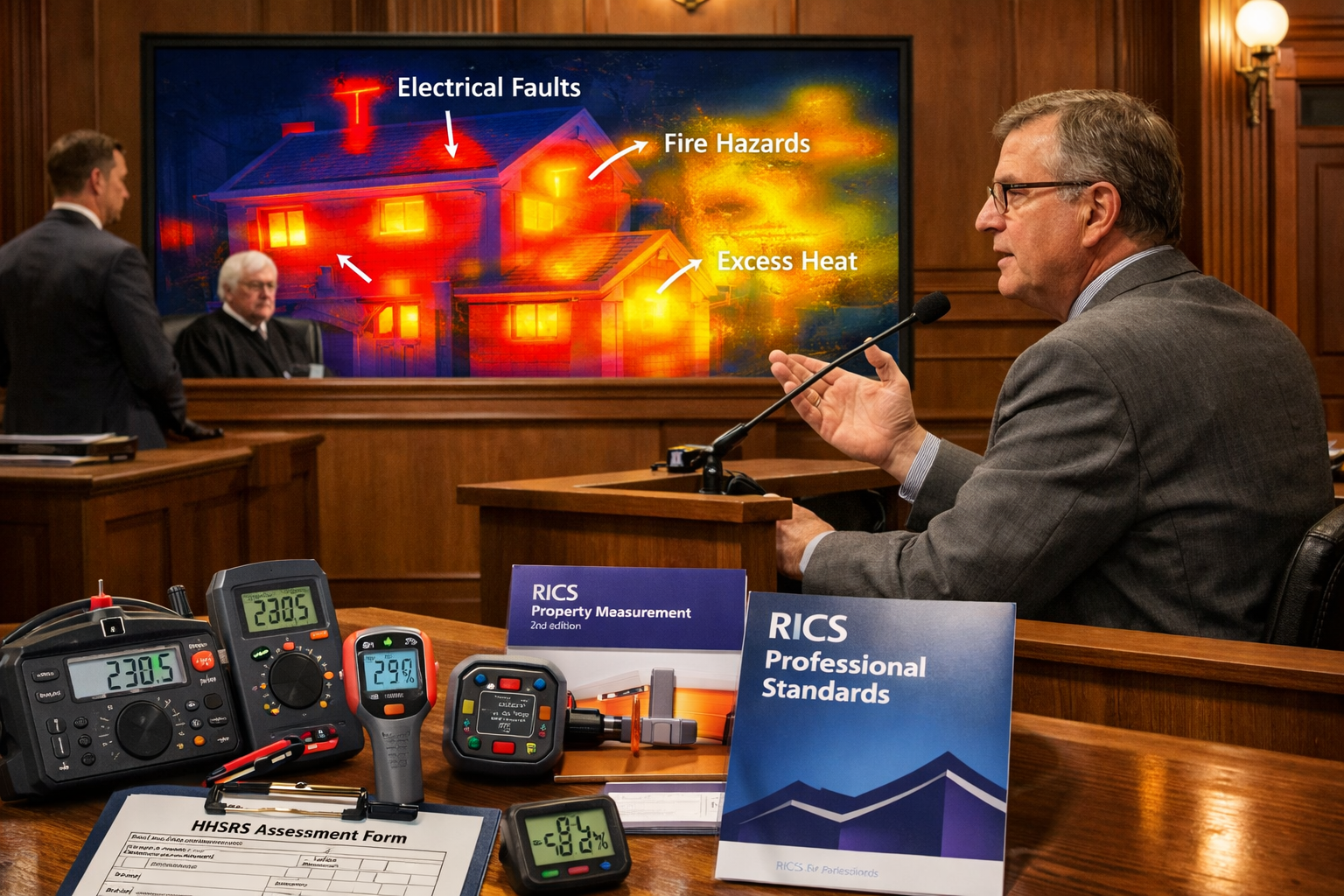
- Expanded hazard categories under Awaab's Law 2026 now require expert witnesses to assess electrical safety, fire risks, and excess heat alongside traditional damp and mould concerns
- The 24-hour investigation mandate creates impossible conditions for thorough expert assessment, forcing rushed evaluations that compromise evidence quality [3]
- Financial conflicts of interest arise when claims managers tie expert fees to case outcomes, undermining the impartiality required for credible testimony [1]
- RICS impartiality protocols and Housing Health and Safety Rating System (HHSRS) methodology compliance are now mandatory for defensible expert witness reports [1]
The Evolution of Expert Witness Challenges in Awaab's Law 2026 Disputes
Legislative Background and Expanded Scope
Awaab's Law emerged from the tragic death of two-year-old Awaab Ishak in 2020, whose prolonged exposure to severe damp and mould in social housing led to a fatal respiratory condition. The legislation initially focused on damp and mould hazards, requiring social landlords to investigate reports within 14 days and commence remedial works within a further seven days for emergency hazards. [5]
However, the 2026 expansion has broadened the scope significantly. The legislation now encompasses:
- Electrical hazards including faulty wiring, inadequate circuit protection, and fire risks from electrical installations
- Fire safety deficiencies such as missing or non-functional smoke detectors, blocked escape routes, and combustible materials
- Excess heat conditions particularly relevant to modern building designs with inadequate ventilation or cooling provisions
- Traditional damp and mould concerns that formed the original legislative focus
This expansion creates substantial Expert Witness Challenges in Awaab's Law 2026 Disputes: Testifying on Expanded Hazards in Rental Valuations because surveyors must now demonstrate competency across multiple technical disciplines that traditionally required separate specialist assessments.
The RICS Practice Alert and Quality Concerns
In a unprecedented move, RICS issued a formal practice alert highlighting systematic failures in expert witness functions within the housing disrepair sector. [1] The professional body identified three critical concerns:
1. Template-Based Reporting Without Investigation 📋
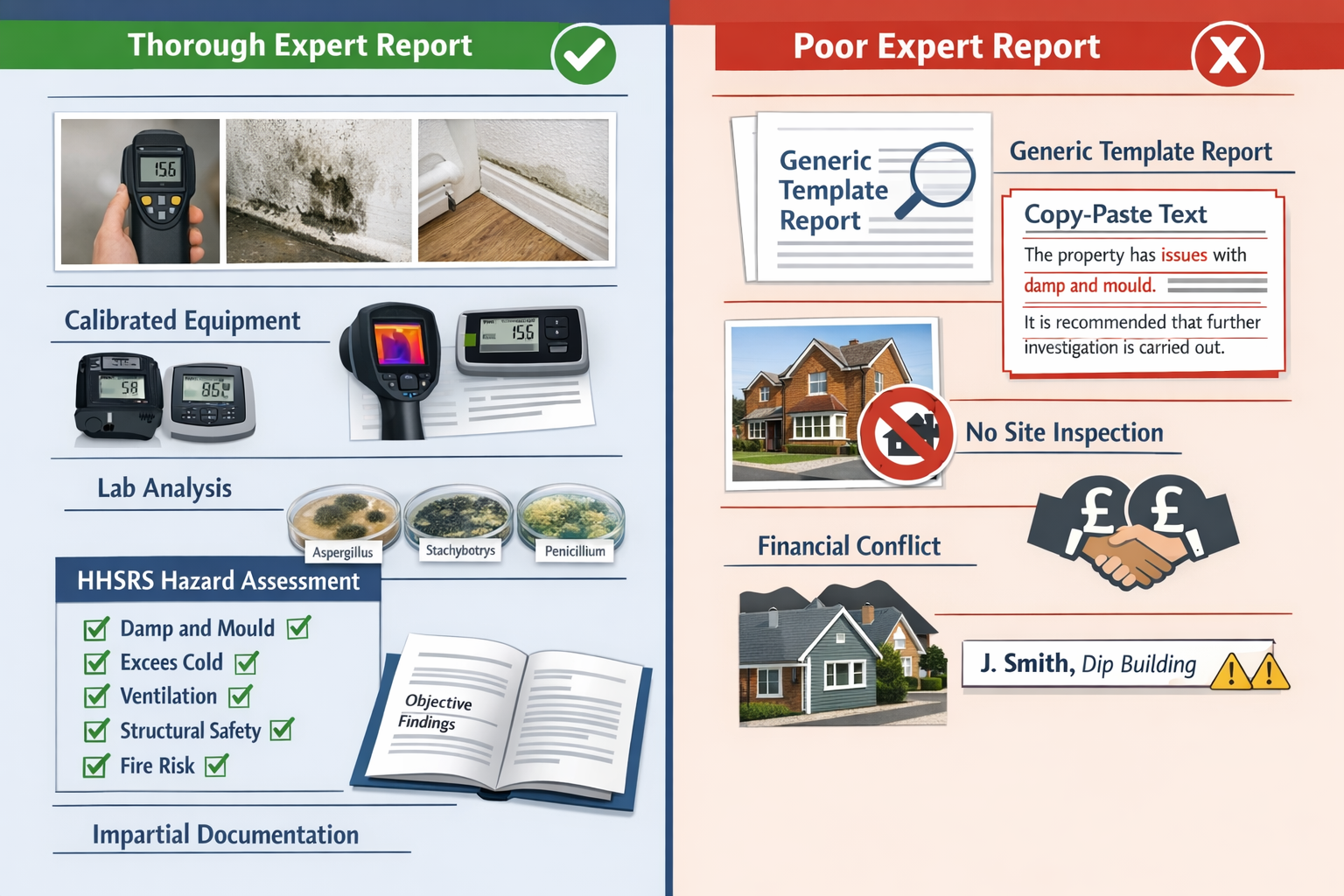
Claims managers pressure experts to use pre-populated templates and standard schedules without proper site verification. These copy-paste reports fail to reflect actual property conditions and lack the individualized assessment required for credible expert testimony. [1]
2. Conflicts of Interest Through Fee Arrangements 💷
Experts face financial dependence on claims managers who instruct them across numerous high-volume claims. When fee arrangements tie compensation to case outcomes rather than objective assessment, the impartiality fundamental to expert witness testimony becomes compromised. [1]
3. Inaccurate Professional Qualifications ⚠️
Surveyors have been found presenting misleading or incorrect credentials, overstating their expertise in specialized areas like environmental health, electrical safety, or fire risk assessment. This misrepresentation undermines the credibility of their testimony and exposes them to professional sanctions. [1]
Testifying on Expanded Hazards: Technical and Procedural Challenges
Electrical Safety Assessment Requirements
The inclusion of electrical hazards under Awaab's Law 2026 presents unique challenges for expert witnesses. Unlike visible damp or mould growth, electrical defects often require invasive testing and specialized equipment to identify properly.
Key Assessment Requirements:
| Hazard Type | Assessment Method | Equipment Required | Time Needed |
|---|---|---|---|
| Circuit overloading | Load testing, thermal imaging | Multimeter, thermal camera | 2-4 hours |
| Inadequate earthing | Continuity testing | Earth loop impedance tester | 1-2 hours |
| Damaged wiring | Visual inspection, insulation testing | Insulation resistance tester | 2-3 hours |
| Consumer unit compliance | Regulation compliance check | Current regulations reference | 1-2 hours |
The 24-hour investigation mandate makes comprehensive electrical assessment virtually impossible. [3] Expert witnesses face the dilemma of either providing incomplete assessments that may miss critical hazards or exceeding the statutory timeframe and exposing landlords to regulatory penalties.
When providing valuation of commercial property or residential rental assessments, experts must now factor electrical compliance into their hazard scoring under the Housing Health and Safety Rating System (HHSRS). This requires understanding both the technical electrical standards and the HHSRS methodology for translating physical defects into health and safety risk scores. [1]
Fire Safety Evaluation Under Expanded Legislation
Fire safety assessment adds another layer of complexity to Expert Witness Challenges in Awaab's Law 2026 Disputes: Testifying on Expanded Hazards in Rental Valuations. Unlike building defects that remain static, fire risks involve dynamic factors including occupant behavior, escape route viability, and the interaction between multiple building systems.
Critical Fire Safety Assessment Elements:
✅ Detection systems: Functionality and positioning of smoke and heat detectors
✅ Escape routes: Clear, unobstructed pathways with adequate lighting
✅ Fire doors: Proper specification, installation, and maintenance
✅ Combustible materials: Storage and positioning relative to ignition sources
✅ Electrical fire risks: Overloaded circuits, damaged appliances, inadequate protection
Expert witnesses must demonstrate competency in fire risk assessment methodology, which traditionally falls under fire safety engineers rather than general building surveyors. The RICS impartiality protocols require experts to acknowledge the limits of their competency and seek specialist input when necessary. [1]
However, the compressed timeframes and volume-based claims management approach often discourage proper specialist consultation, creating pressure to provide opinions beyond one's expertise. This tension between professional standards and commercial pressures represents a core challenge in maintaining credible expert testimony.
Excess Heat Assessment: An Emerging Hazard Category
Excess heat has emerged as a significant concern in modern rental properties, particularly those with extensive glazing, inadequate ventilation, or poor thermal design. Climate change has intensified this hazard, with extreme heat events becoming more frequent and severe.
Excess Heat Assessment Methodology:
The HHSRS framework evaluates excess heat based on:
- Temperature measurements during warm weather periods
- Ventilation adequacy including natural and mechanical systems
- Solar gain from window orientation and shading provision
- Vulnerable occupant factors such as age, health conditions, and mobility limitations
- Cooling provision or lack thereof in habitable spaces
Expert witnesses face particular challenges with excess heat assessment because conditions vary seasonally. A winter inspection may reveal no excess heat hazards, yet the same property could present serious risks during summer months. [2]
This temporal variability creates evidential challenges when providing rent reviews or dispute testimony. Experts must either conduct multiple seasonal assessments or rely on predictive modeling based on building physics—both approaches requiring time and expertise beyond typical housing disrepair assessments.
RICS Impartiality Protocols and Professional Standards
Core Principles of Expert Witness Impartiality
RICS impartiality protocols establish clear standards for expert witness conduct, particularly relevant to Expert Witness Challenges in Awaab's Law 2026 Disputes: Testifying on Expanded Hazards in Rental Valuations. These principles include:
1. Duty to the Court/Tribunal Over Instructing Party ⚖️
The expert's primary obligation is to provide objective, unbiased opinion to assist the court or tribunal, not to advocate for the party who instructed and pays them. This fundamental principle becomes compromised when fee arrangements create financial dependence on claims managers or when experts face pressure to support predetermined conclusions. [1]
2. Independence from Litigation Outcome
Expert fees must not be contingent on case outcomes. Conditional fee arrangements or success-based bonuses create obvious conflicts that undermine testimony credibility. RICS is now working with the Solicitors Regulation Authority (SRA) to address improper expert witness instructions that violate this principle. [1]
3. Transparent Declaration of Limitations
Experts must clearly acknowledge the boundaries of their competency, the limitations of their investigation, and any assumptions underlying their opinions. When assessing expanded hazards under Awaab's Law 2026, this requires honest disclosure when electrical, fire safety, or thermal assessment falls outside one's core expertise.
4. Evidence-Based Conclusions
Opinions must be grounded in verifiable evidence rather than speculation or assumption. The absence of preserved environmental evidence and lack of medically recognized environmental linkage have been identified as systematic failures in expert assessments. [3] Proper evidence collection, documentation, and chain of custody protocols are essential.
The Housing Health and Safety Rating System (HHSRS) Framework
Expert evidence must now demonstrate clear understanding of HHSRS methodology, as this is the primary legal framework for assessing housing conditions in England and Wales under Awaab's Law. [1] Non-compliant reports risk legal and regulatory consequences.
HHSRS Assessment Process:
The system evaluates 29 potential hazards across four categories:
- Physiological requirements (excess cold, excess heat, asbestos, etc.)
- Psychological requirements (crowding, noise, etc.)
- Protection against infection (domestic hygiene, sanitation, water supply)
- Protection against accidents (falls, electrical hazards, fire, etc.)
Each hazard receives a score based on:
- Likelihood of occurrence over the next 12 months
- Range of potential harm outcomes from minor to fatal
- Vulnerable group exposure considering who occupies the property
- Spread of harm across the vulnerable group
The scoring produces a numerical rating that classifies hazards as Category 1 (serious, requiring immediate action) or Category 2 (less serious but still requiring attention).
When providing expert testimony on valuation for capital gains tax or other rental property valuations, proper HHSRS assessment is now mandatory. Courts and tribunals are monitoring judicial concerns regarding non-compliant expert witness reports, with regulatory action being taken to reduce their incidence. [1]
Conflict of Interest Management
The financial structure of housing disrepair claims creates systematic conflicts that experts must actively manage. Claims managers instruct the same expert across numerous high-volume claims, creating financial dependence that can compromise impartial testimony. [1]
Conflict Mitigation Strategies:
🔹 Fixed-fee arrangements independent of case outcomes
🔹 Diversified instruction sources to avoid dependence on single claims managers
🔹 Written independence declarations provided with every report
🔹 Transparent disclosure of any relationships with instructing parties
🔹 Declining instructions when conflicts cannot be adequately managed
RICS has emphasized that experts facing pressure to compromise professional standards should decline instructions rather than provide non-compliant testimony. The reputational and regulatory consequences of improper expert witness conduct far outweigh the commercial benefits of maintaining problematic client relationships. [1]
Practical Challenges in Rental Valuation Testimony
Tenant Vulnerability Assessment
Expert testimony must account for tenant vulnerabilities and exposure pathways, as landlords may argue that tenant-instructed experts lack the skills and experience to properly assess individual occupiers' particular vulnerabilities and how specific hazards affect them. [2]
Vulnerable Groups Requiring Special Consideration:
- Young children particularly susceptible to respiratory hazards from mould and damp
- Elderly occupants vulnerable to excess heat and falls from disrepair
- Individuals with respiratory conditions at heightened risk from poor air quality
- Mobility-impaired residents facing increased hazards from electrical and fire safety defects
- Pregnant women requiring protection from various environmental hazards
The HHSRS framework requires experts to identify the most vulnerable likely occupant and assess hazard severity based on that individual's exposure and susceptibility. This personalized assessment approach adds complexity to Expert Witness Challenges in Awaab's Law 2026 Disputes: Testifying on Expanded Hazards in Rental Valuations because generic template reports cannot adequately address individual circumstances. [1]
When conducting matrimonial valuations or other family-related property assessments, understanding occupant vulnerability becomes particularly important as children's health and safety often form central concerns in these disputes.
Evidence Preservation and Documentation
The compressed investigation timeframes under Awaab's Law 2026 create significant challenges for proper evidence collection and preservation. Experts must document conditions thoroughly while meeting statutory deadlines, often without opportunity for follow-up inspections.
Essential Documentation Requirements:
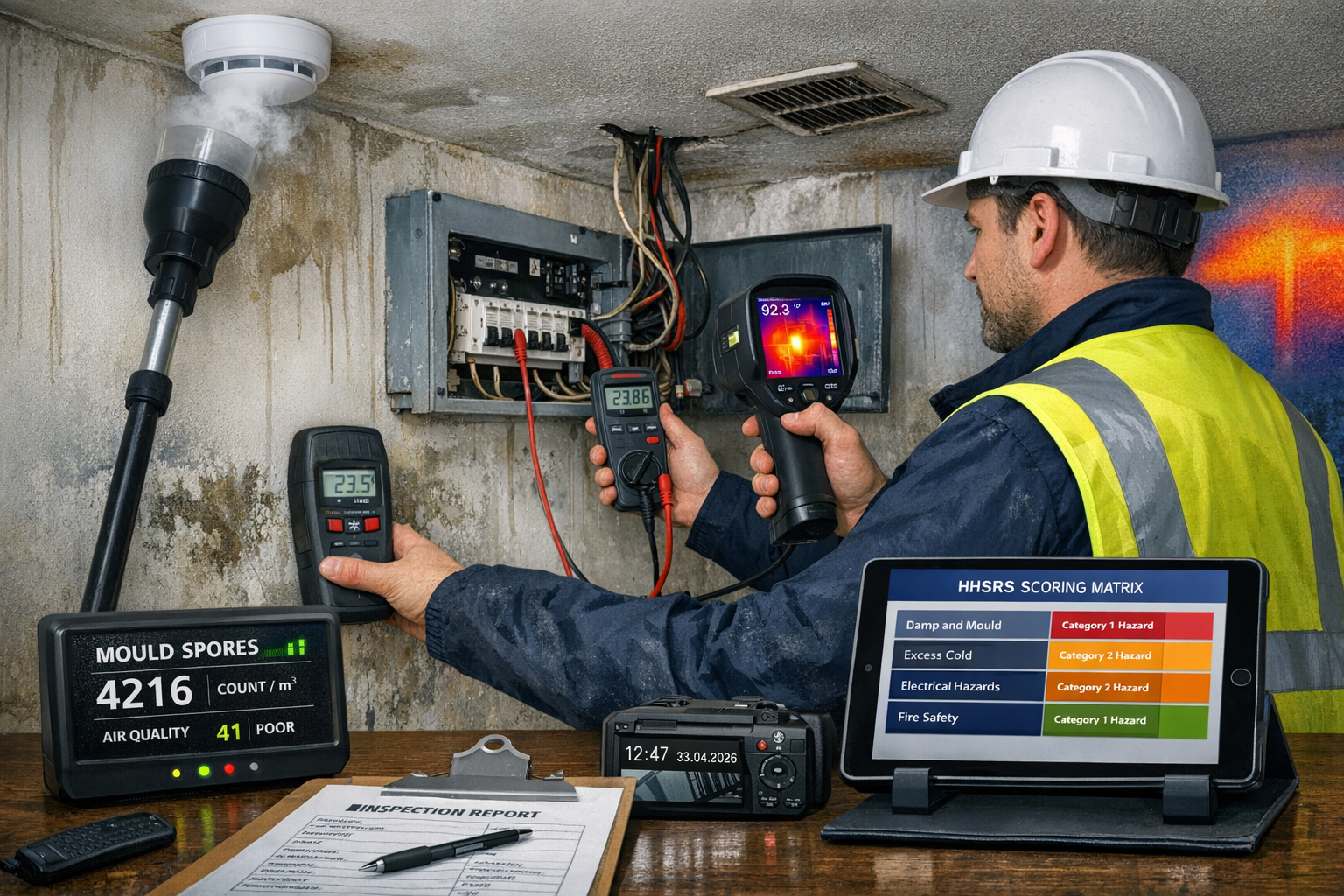
📸 Photographic evidence with timestamps, scale references, and comprehensive coverage
📊 Quantitative measurements using calibrated equipment with recorded readings
🔬 Environmental sampling following proper protocols for mould species identification
📝 Contemporaneous notes documenting observations, conversations, and site conditions
🗺️ Site plans and diagrams showing hazard locations and property layout
📋 Regulatory compliance checks against current building and safety standards
The absence of preserved environmental evidence has been identified as a systematic failure in expert assessments. [3] Without proper sampling and laboratory analysis, experts cannot definitively confirm mould presence or species identification, yet face pressure to provide opinions nonetheless.
This evidential gap creates vulnerability during cross-examination and undermines testimony credibility. Courts increasingly scrutinize whether experts followed proper scientific methodology or relied on visual assessment and assumption.
Valuation Impact of Multiple Hazards
When multiple hazards coexist—electrical defects, fire safety concerns, excess heat, and damp/mould—experts must assess their combined impact on rental valuation. This requires understanding how hazards interact and compound their effects on both property value and rental income potential.
Valuation Adjustment Methodology:
The presence of Category 1 hazards under HHSRS can affect rental valuations through:
- Direct repair costs to remediate identified hazards
- Rental income reduction due to property condition and marketability
- Regulatory compliance costs including enforcement notices and penalties
- Liability exposure for landlord from tenant health impacts
- Insurance implications potentially affecting coverage and premiums
Experts providing valuation of shared ownership or other complex tenure arrangements must consider how Awaab's Law compliance obligations affect both the landlord's and occupier's interests in the property.
The interaction between multiple hazards often produces non-linear effects. For example, excess heat combined with inadequate ventilation may accelerate mould growth, while electrical defects in damp conditions create heightened fire and electrocution risks. Proper expert assessment must identify these interactions rather than treating each hazard in isolation.
Systemic Failures and Industry Response
The Quality Crisis in Expert Witness Reports
Poor quality expert evidence creates cascading systemic failures throughout the housing sector. Valid tenant claims may fail entirely due to inadequate expert testimony, while social housing providers must divert public funds that could otherwise fund repairs to respond to invalid claims based on improper expert opinions. [1]
Documented Systemic Issues:
⚠️ Invalid assumptions about building conditions without verification
⚠️ Misleading or incorrect expert testimony on mould presence and species
⚠️ Failure to properly confirm hazards before providing opinions
⚠️ Copy-paste reports without site-specific assessment
⚠️ Environmental assessment errors and pathology mistakes
⚠️ Inadequate understanding of toxicology and sampling protocols
Jeff Charlton, founder of Building Forensics (UK), conducted a forensic review documenting over 250 errors, omissions, and contradictions in the foundational evidence underlying Awaab's Law, affecting environmental assessment, pathology, toxicology, sampling, housing practice, and investigative reasoning. [3]
These systematic failures have led some industry experts to call for the legislation to be repealed and rewritten with proper scientific and technical foundation. [3] However, the political and social imperatives driving Awaab's Law make wholesale revision unlikely, placing greater emphasis on improving expert witness standards within the existing framework.
Regulatory and Professional Body Responses
RICS has taken unprecedented action to address the quality crisis, working collaboratively with multiple stakeholders:
Multi-Agency Coordination:
🤝 Solicitors Regulation Authority (SRA) partnership to address improper expert witness instructions from legal professionals
🤝 Housing associations collaboration to prevent misleading expert evidence contributing to improper claims
🤝 Courts and tribunals monitoring of judicial concerns regarding non-compliant reports
🤝 Regulator of Social Housing coordination on enforcement and compliance standards
This coordinated approach recognizes that Expert Witness Challenges in Awaab's Law 2026 Disputes: Testifying on Expanded Hazards in Rental Valuations cannot be resolved through professional standards alone. The commercial incentives, legal frameworks, and regulatory requirements must align to support proper expert witness conduct.
RICS has warned members of serious consequences for non-compliant expert witness functions, including potential disciplinary action, professional sanctions, and referral to regulators. [1] The organization has emphasized that maintaining professional standards is not optional when commercial pressures conflict with proper practice.
Best Practice Frameworks Emerging
In response to the quality crisis, leading practitioners have developed best practice frameworks for expert witness work under Awaab's Law 2026:
1. Comprehensive Site Investigation Protocols
- Minimum site visit duration based on property size and complexity
- Mandatory use of calibrated measurement equipment
- Photographic documentation standards with scale and context
- Environmental sampling following recognized laboratory protocols
- Vulnerable occupant assessment and exposure pathway analysis
2. Transparent Methodology Documentation
- Clear explanation of assessment approach and standards applied
- Explicit statement of HHSRS methodology compliance
- Identification of assumptions and their justification
- Acknowledgment of investigation limitations and constraints
- Reference to relevant technical standards and guidance
3. Independence and Impartiality Safeguards
- Written declaration of conflicts and independence
- Fixed-fee arrangements independent of case outcomes
- Refusal to use pre-populated templates without verification
- Declining instructions when adequate assessment time unavailable
- Clear communication of professional limitations and expertise boundaries
4. Continuing Professional Development Requirements
- Regular training on HHSRS methodology updates
- Specialist knowledge development for expanded hazard categories
- Cross-examination skills and courtroom testimony practice
- Understanding of legal duties and expert witness obligations
- Technical competency maintenance in electrical, fire, and thermal assessment
These frameworks provide practical guidance for navigating Expert Witness Challenges in Awaab's Law 2026 Disputes: Testifying on Expanded Hazards in Rental Valuations while maintaining professional standards and credibility.
Conclusion: Navigating Expert Witness Challenges Under Awaab's Law 2026
The expansion of Awaab's Law in 2026 to encompass electrical hazards, fire safety concerns, and excess heat conditions has fundamentally transformed the landscape for expert witness testimony in rental property disputes. Surveyors now face unprecedented technical complexity, compressed investigation timeframes, and heightened scrutiny of their professional conduct and qualifications.
The RICS practice alert highlighting systematic quality failures represents a watershed moment for the profession. [1] The documented conflicts of interest, template-based reporting, and inadequate technical competency threaten not only individual expert credibility but the integrity of the entire housing disrepair claims system.
Key Actions for Expert Witnesses:
✅ Prioritize HHSRS methodology compliance in all housing condition assessments
✅ Acknowledge competency limitations and seek specialist input for electrical, fire, and thermal hazards beyond core expertise
✅ Implement robust evidence collection protocols with proper documentation, sampling, and measurement procedures
✅ Maintain strict independence through transparent conflict management and outcome-independent fee arrangements
✅ Resist commercial pressures to compromise professional standards, declining instructions when necessary
✅ Invest in continuing professional development across expanded hazard categories and expert witness obligations
For landlords, tenants, and legal professionals navigating Awaab's Law disputes, understanding these expert witness challenges is essential for evaluating evidence quality and testimony credibility. The presence of expanded hazard categories requires truly multidisciplinary assessment, often necessitating coordination between building surveyors, electrical engineers, fire safety specialists, and environmental health professionals.
The systemic failures documented by RICS and industry experts demonstrate that individual professional competency alone cannot resolve these challenges. [1][3] Structural reforms to the claims management system, realistic investigation timeframes, and proper alignment of commercial incentives with professional standards are all necessary to support credible expert witness testimony.
As the housing sector adapts to Awaab's Law 2026 requirements, expert witnesses who maintain rigorous professional standards, transparent methodology, and genuine impartiality will increasingly distinguish themselves in this complex and scrutinized field. Those who prioritize thoroughness over volume, evidence over assumption, and professional integrity over commercial convenience will build the credibility essential for effective expert testimony.
For professional assistance with expert witness services that maintain RICS impartiality protocols and comprehensive hazard assessment under Awaab's Law 2026, consider consulting with qualified chartered surveyors who demonstrate commitment to proper methodology and professional standards. The quality of expert evidence can determine the outcome of significant disputes affecting both tenant welfare and landlord obligations—making the selection of properly qualified, genuinely independent experts a critical decision for all parties.
References
[1] 60751 Surveyors Professional Body Issues Warning To Members Of Serious Consequences Over Quality Of Expert Witness Functions In Housing Disrepair Sector – https://www.localgovernmentlawyer.co.uk/housing-law/397-housing-news/60751-surveyors-professional-body-issues-warning-to-members-of-serious-consequences-over-quality-of-expert-witness-functions-in-housing-disrepair-sector
[2] Awaabs Law Oddities And Observations – https://thelegalposition.co.uk/2026/01/27/awaabs-law-oddities-and-observations/
[3] Awaabs Law Must Be Repealed And Re Written Claims Expert – https://housingdigital.co.uk/awaabs-law-must-be-repealed-and-re-written-claims-expert/
[5] Awaab S Law What It Means For Landlords Tenants How Nuven Surveyors Can Help – https://www.nuvensurveyors.co.uk/blog/awaab-s-law-what-it-means-for-landlords-tenants-how-nuven-surveyors-can-help/