The rental property landscape is experiencing unprecedented shifts in 2026. With vacancy rates climbing to 7.6% across major metropolitan areas and tenant demand patterns evolving rapidly, property investors and landlords face a critical challenge: how to accurately value rental assets in an increasingly complex market environment. Valuation Surveys for Stabilizing Rental Markets: Responding to 2026 Tenant Demand Surges have emerged as essential tools for navigating these turbulent conditions, providing the data-driven insights needed to make informed investment decisions and maintain portfolio stability.
As rental markets transition from the competitive landlord-friendly conditions of recent years to more balanced or even renter-friendly environments, traditional valuation approaches are proving insufficient. The convergence of rising vacancy rates, declining rent growth, and shifting tenant preferences demands a more sophisticated analytical framework—one that accounts for regional variations, property type differentials, and emerging demand patterns that will define rental market performance throughout 2026 and beyond.
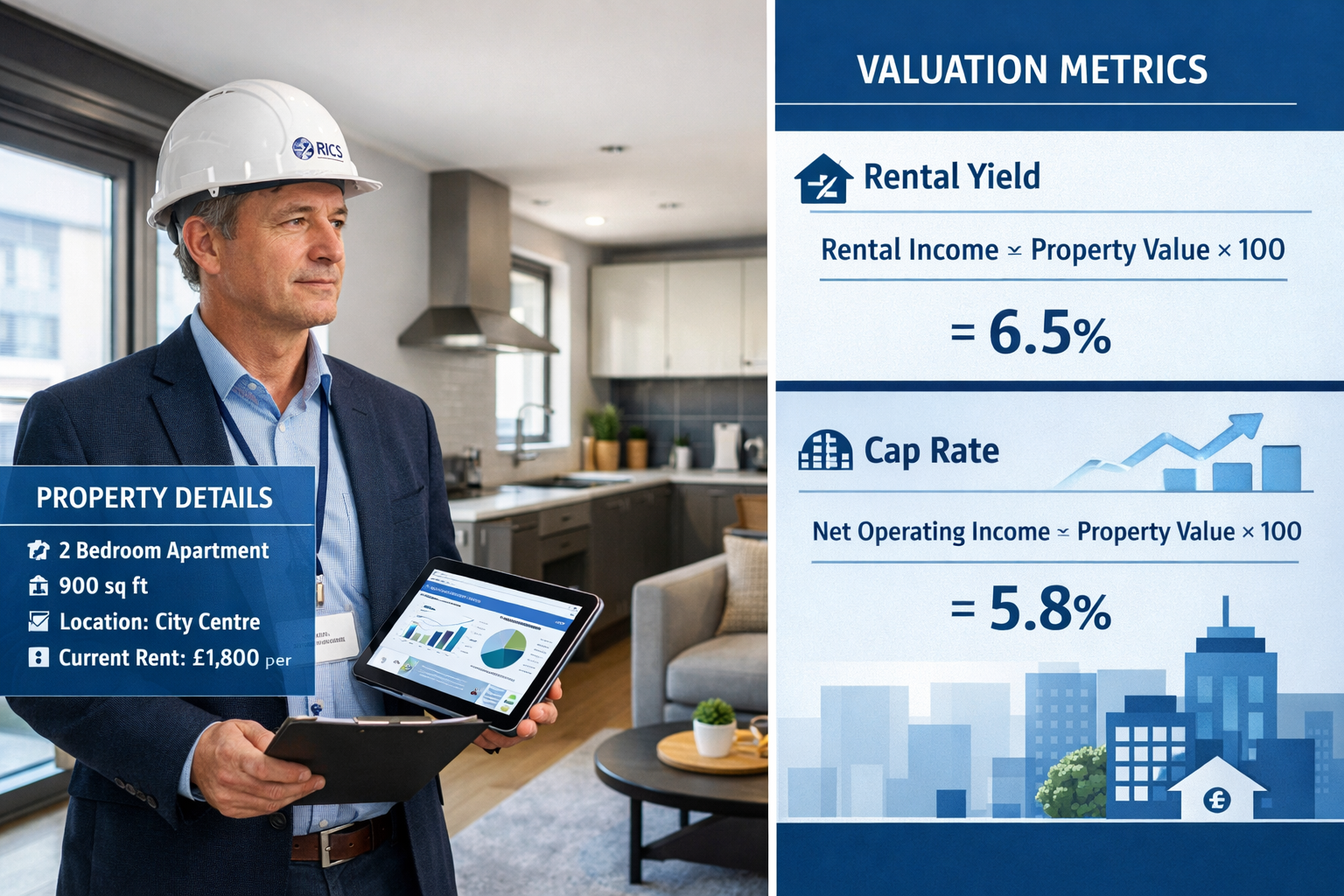
Key Takeaways
- Rental vacancy rates reached 7.6% in 2025, creating renter-friendly conditions that require precise valuation adjustments to reflect reduced pricing power [1]
- 29 consecutive months of rent decline for smaller units signal fundamental market shifts that impact property valuations and investment returns [1]
- Regional variation is extreme in 2026, with Northeast markets projecting 4-5% rent growth while Sun Belt areas expect just 1-2%, necessitating location-specific valuation approaches [2]
- Supply tapering and absorption patterns will drive gradual pricing power recovery, making accurate valuation timing critical for investment decisions [2]
- RICS-compliant valuation methodologies provide the standardized framework needed to assess rental properties amid volatile market conditions
Understanding the 2026 Rental Market Landscape
The rental housing market has undergone dramatic transformation since the pandemic era. Current data reveals a market in transition, moving away from the extreme landlord advantages of 2021-2023 toward more balanced conditions that favor tenant negotiation and selection.
Current Market Conditions
Vacancy rates tell a compelling story about supply and demand dynamics. The 7.6% vacancy rate across the top 50 U.S. metropolitan areas represents a significant increase from 7.2% in 2024 and exceeds the pre-pandemic average of 6.9% [1]. This elevated vacancy environment creates downward pressure on rents and reduces landlords' ability to command premium pricing.
Among the nation's largest rental markets, the breakdown reveals 22 balanced markets, 22 renter-friendly markets, and only 6 landlord-friendly markets [1]. This distribution marks a stark departure from recent years when landlord-friendly conditions dominated most major metropolitan areas.
The rental price trajectory has been equally revealing. Median asking rent stands at $1,672 as of January 2026, representing a -1.5% decline compared to January 2025 [1]. Perhaps most significantly, 0-2 bedroom properties have experienced 29 consecutive months of year-over-year rent decline, signaling persistent oversupply in this segment.
Regional Performance Variations
Regional differences in rental market performance have never been more pronounced. The Northeast region is projected to lead rent growth at 4-5% annually throughout 2026, driven by constrained supply and strong employment fundamentals [2]. The Midwest follows with expected growth of 3-4.5%, benefiting from relative affordability and steady population inflows.
In contrast, the Sun Belt region faces headwinds with projected growth of just 1-2% [2]. Years of aggressive multifamily construction have created supply imbalances that will take time to absorb. The West Coast occupies middle ground with 2-3% expected growth, balancing high household incomes against elevated construction costs and regulatory constraints.
Milwaukee exemplifies the dramatic shifts possible in rental markets. The city's vacancy rate surged from 4.9% in 2024 to 10.8% in 2025, transforming it from a landlord-friendly to a renter-friendly market virtually overnight due to a multifamily supply surge [1]. Conversely, Richmond, Virginia moved in the opposite direction, with vacancy rates falling from 8.2% to 5.2%, shifting from renter-friendly to balanced conditions while supporting 1.9% rent growth [1].
Understanding these regional market dynamics is essential for accurate property valuation, as national trends provide limited guidance for location-specific investment decisions.
The Role of Valuation Surveys for Stabilizing Rental Markets: Responding to 2026 Tenant Demand Surges
Professional valuation surveys serve as the foundation for rational decision-making in volatile rental markets. These comprehensive assessments provide the objective data needed to price properties accurately, identify investment opportunities, and avoid costly valuation errors that can undermine portfolio performance.
RICS Valuation Standards and Methodologies
The Royal Institution of Chartered Surveyors (RICS) provides the globally recognized framework for property valuation through its Red Book standards. RICS-compliant valuations ensure consistency, transparency, and professional rigor in rental property assessments.
Key valuation approaches for rental properties include:
- Income Capitalization Method: Converts expected rental income into present value using appropriate capitalization rates
- Comparative Method: Analyzes recent transactions of similar properties to establish market value benchmarks
- Residual Method: Calculates value based on development potential and highest-and-best-use scenarios
- Discounted Cash Flow Analysis: Projects future cash flows and discounts them to present value using risk-adjusted rates
For rental properties specifically, the income approach dominates valuation practice. This methodology requires accurate assessment of:
- Gross Potential Rent: Market-rate rental income assuming full occupancy
- Vacancy and Collection Loss: Expected income reduction from vacant units and uncollected rents
- Operating Expenses: All costs required to maintain and operate the property
- Net Operating Income (NOI): Gross income minus operating expenses
- Capitalization Rate: Market-derived rate reflecting investment risk and return expectations
The formula is straightforward: Property Value = Net Operating Income ÷ Capitalization Rate
However, determining accurate inputs for this calculation in 2026's volatile market environment requires sophisticated analysis and local market expertise. Professional chartered surveyors bring the technical knowledge and data resources necessary to navigate these complexities.
Critical Valuation Factors in 2026
Several factors have emerged as particularly critical for rental property valuation in the current market environment:
📊 Pricing Accuracy: With tenants increasingly price-sensitive and equipped with comprehensive online comparison tools, pricing accuracy has become paramount. Properties priced above market levels face extended vacancy periods, while underpricing leaves money on the table and undervalues the asset [4]. The margin for error has narrowed considerably compared to the landlord-friendly markets of recent years.
🏢 Property Type Differentials: Mid-tier apartments remain relatively undersupplied in many markets, supporting elevated rents and strong valuations [4]. Luxury apartments in urban cores face different dynamics, with elevated supply and affordability pressures driving concessions and softer valuations. Understanding these segment-specific conditions is essential for accurate valuation.
📍 Micro-Location Analysis: Within metropolitan areas, neighborhood-level variations in demand, supply, and rent growth can be dramatic. Valuation surveys must account for these hyperlocal factors rather than relying on metro-wide averages that obscure critical differences.
⏱️ Absorption and Supply Timing: With absorption projected at 350,000-400,000 units for 2026—significantly below early 2025 levels—the timing of supply delivery relative to demand absorption will heavily influence near-term valuations [2]. Properties in markets with delayed supply pipelines may command premium valuations compared to those facing imminent competitive deliveries.
💰 Cap Rate Compression: Capitalization rates remain under pressure as investors seek yield in a low-return environment. However, cap rates must reflect actual market risk, including the possibility of extended vacancies and rent concessions. Artificially compressed cap rates produce inflated valuations that don't reflect true investment risk.
Understanding factors that influence valuation enables investors to critically assess whether survey results accurately reflect current market realities or require adjustment for emerging trends.
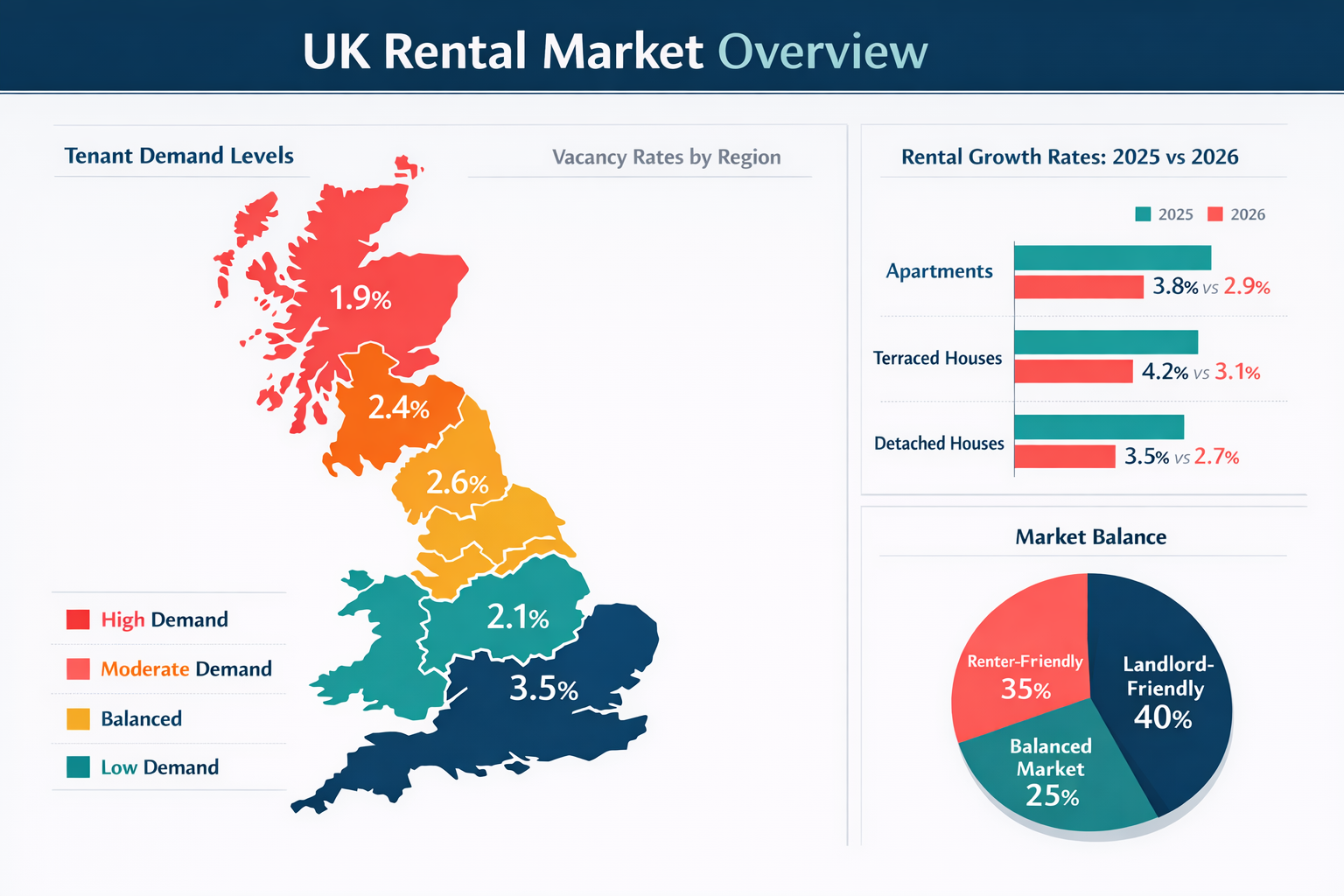
Implementing Valuation Surveys for Stabilizing Rental Markets: Responding to 2026 Tenant Demand Surges
Effective implementation of valuation surveys requires a systematic approach that combines technical rigor with practical market knowledge. The following framework provides guidance for property owners, investors, and portfolio managers seeking to stabilize rental market positions through accurate valuation.
Comprehensive Market Analysis
Step 1: Define the Valuation Scope
Begin by clearly establishing the purpose of the valuation. Different objectives require different methodologies:
- Acquisition or Disposition: Requires market value assessment based on current conditions
- Portfolio Review: Focuses on fair value for financial reporting purposes
- Refinancing: Must meet lender requirements and reflect loan-to-value considerations
- Insurance: Requires reinstatement cost assessment rather than market value
- Tax or Legal Proceedings: May require specialized approaches and expert witness testimony
Step 2: Gather Comprehensive Market Data
Robust valuation requires extensive data collection across multiple dimensions:
| Data Category | Key Metrics | Sources |
|---|---|---|
| Rental Rates | Asking rents, effective rents, concessions | Listing services, property management systems |
| Vacancy Rates | Current vacancy, absorption trends, supply pipeline | Market research firms, municipal data |
| Operating Expenses | Utilities, maintenance, management, taxes | Historical records, industry benchmarks |
| Transaction Data | Recent sales, cap rates, price per unit | Public records, broker reports |
| Economic Indicators | Employment, population growth, household formation | Government statistics, economic forecasts |
Step 3: Conduct Property-Specific Assessment
Physical inspection and condition assessment form the foundation of accurate valuation. Comprehensive surveys should evaluate:
- Structural condition and remaining useful life of major systems
- Unit mix and configuration relative to current market preferences
- Amenities and features compared to competitive properties
- Deferred maintenance and capital improvement requirements
- Regulatory compliance including safety, accessibility, and environmental standards
Properties with significant structural concerns may require specialized structural surveys or subsidence assessments before accurate valuation is possible.
Adjusting Valuations for 2026 Market Dynamics
Traditional valuation approaches require modification to account for current market realities:
Vacancy Rate Adjustments: With vacancy rates elevated above historical norms, income projections must reflect realistic stabilized occupancy rather than optimistic assumptions. In markets with 10%+ vacancy rates, assuming 95% stabilized occupancy would produce inflated valuations disconnected from market reality.
Rent Growth Assumptions: After year-end annual rent gains averaged just 2.9% in 2025—down from 4.1% in 2024 and the most modest increase since 2015 [3]—valuation models must temper growth expectations. Regional variations demand location-specific growth assumptions aligned with local fundamentals rather than national averages.
Concession Impact: In competitive markets, landlords increasingly offer concessions including free months, waived fees, or upgraded amenities. These concessions reduce effective rents below asking rates and must be factored into income projections. A property advertising $2,000/month with two months free on a 12-month lease generates effective rent of just $1,667/month.
Tenant Quality and Retention: In renter-friendly markets, tenant retention becomes more valuable as turnover costs increase and re-leasing timelines extend. Properties with strong retention rates and high-quality tenant profiles may command premium valuations relative to comparable assets with higher turnover.
Capital Expenditure Requirements: Properties requiring significant capital improvements to remain competitive face valuation penalties reflecting the investment needed to maintain market position. Conversely, recently renovated properties with modern amenities may command premium valuations despite higher replacement cost.
Leveraging Professional Expertise
The complexity of rental market valuation in 2026 makes professional expertise increasingly valuable. Chartered surveyors bring several critical advantages:
✅ Market Knowledge: Deep understanding of local market dynamics, comparable transactions, and emerging trends
✅ Technical Expertise: Mastery of valuation methodologies, financial modeling, and regulatory requirements
✅ Independence: Objective assessment free from the conflicts of interest that can bias internal valuations
✅ Credibility: RICS accreditation provides assurance to lenders, investors, and other stakeholders
✅ Risk Mitigation: Professional indemnity insurance protects against valuation errors
For complex situations involving commercial properties, lease extensions, or freehold valuations, specialized expertise becomes essential for accurate assessment.
Understanding typical valuation costs helps investors budget appropriately for professional services while recognizing that valuation accuracy directly impacts investment returns and risk management.

Strategic Applications for Investors and Portfolio Managers
Valuation surveys serve multiple strategic purposes beyond simple price discovery. Sophisticated investors leverage comprehensive valuations to optimize portfolio performance, identify opportunities, and manage risk across market cycles.
Investment Decision Framework
Acquisition Strategy: In markets transitioning from landlord-friendly to balanced or renter-friendly conditions, valuation surveys help identify properties priced above or below fair market value. Properties where sellers maintain outdated pricing expectations based on 2023-2024 conditions may offer negotiation opportunities for buyers armed with current market data.
San Jose's emergence as the top multifamily rent growth market with effective rents at $3,073/unit and 2.8% year-over-year growth [3] illustrates how location-specific performance can diverge dramatically from national trends. Investors using comprehensive valuation surveys can identify these outperforming markets before they become widely recognized.
Portfolio Optimization: Regular valuation surveys enable portfolio managers to identify underperforming assets requiring operational improvements, capital investment, or disposition. Properties with valuations significantly below replacement cost may represent value-add opportunities, while those trading at premium valuations might be candidates for strategic sale.
Risk Management: Comprehensive valuations provide the foundation for effective risk management by identifying properties vulnerable to market downturns, regulatory changes, or competitive pressures. Properties with thin operating margins, elevated vacancy rates, or deferred maintenance represent concentration risks that may warrant portfolio rebalancing.
Operational Excellence Through Valuation Insights
Beyond investment decisions, valuation surveys provide actionable insights for operational improvement:
Rent Optimization: Detailed market analysis reveals optimal pricing strategies that balance occupancy and revenue. In the current environment where renters are increasingly price-sensitive and selective [4], pricing must reflect genuine market positioning rather than aspirational targets.
Capital Allocation: Valuation surveys identify which improvements generate meaningful value increases versus those that simply maintain competitive position. In markets with elevated vacancy, investments in differentiating amenities may justify premium pricing, while in oversupplied markets, cost control may be more critical than upgrades.
Lease Structure: Understanding market dynamics helps optimize lease terms, concession packages, and renewal strategies. In renter-friendly markets, longer lease terms with modest annual increases may provide more stable cash flows than aggressive initial pricing that drives turnover.
Competitive Positioning: Comprehensive market analysis reveals how properties compare to competitive alternatives across rent, amenities, location, and condition. This intelligence guides marketing strategies and operational priorities.
Monitoring and Adjustment
Rental markets in 2026 are evolving rapidly, making periodic revaluation essential for maintaining accurate portfolio assessments. Recommended monitoring frequencies include:
- Quarterly: High-level market indicators including vacancy rates, rent trends, and supply pipeline
- Semi-Annual: Detailed property-level performance assessment and competitive positioning
- Annual: Comprehensive professional valuation for significant holdings
- Event-Driven: Full revaluation triggered by major market shifts, property improvements, or transaction consideration
This monitoring cadence enables proactive management rather than reactive responses to market changes. Properties in markets experiencing rapid shifts—like Milwaukee's vacancy surge or Richmond's tightening—require more frequent assessment than those in stable environments.
For properties with complex ownership structures involving shared ownership or those requiring rent review negotiations, professional valuation provides the objective foundation for fair resolution.
Future Outlook and Emerging Considerations
Looking beyond 2026, several trends will shape rental market valuations and investment strategies:
Supply Normalization: With absorption projected at 350,000-400,000 units for 2026—significantly below recent peaks—supply pressures should gradually ease [2]. This normalization will support rent growth moving toward 2.0% on a yearly basis [2], providing more stable conditions for valuation and investment planning.
Regional Divergence: The extreme variation between Northeast markets projecting 4-5% growth and Sun Belt markets expecting 1-2% will likely persist [2]. Valuation methodologies must increasingly account for these regional differences rather than applying national assumptions uniformly.
Technology Integration: Advanced analytics, artificial intelligence, and big data are transforming rental market analysis. Investors who integrate these tools with traditional valuation methodologies will gain competitive advantages in identifying opportunities and optimizing operations.
Regulatory Evolution: Rent control, tenant protection laws, and zoning reforms continue evolving across jurisdictions. These regulatory changes directly impact property valuations by affecting income potential, operating costs, and investment risk profiles.
Demographic Shifts: Changing household formation patterns, remote work adoption, and generational preferences will continue reshaping rental demand. Properties positioned to serve emerging tenant preferences will command premium valuations relative to those serving declining demand segments.
Climate and Sustainability: Environmental risks and sustainability features increasingly influence property valuations. Properties with climate resilience, energy efficiency, and green certifications may command premium valuations, while those facing elevated climate risks or requiring substantial environmental upgrades face valuation headwinds.
Conclusion
Valuation Surveys for Stabilizing Rental Markets: Responding to 2026 Tenant Demand Surges represent essential tools for navigating today's complex rental property landscape. With vacancy rates elevated, rent growth moderating, and regional performance diverging dramatically, accurate valuation has never been more critical for investment success.
The transition from landlord-friendly to more balanced market conditions demands sophisticated analytical approaches that account for local dynamics, property-specific factors, and emerging trends. RICS-compliant valuation methodologies provide the standardized framework needed to assess rental properties objectively, while professional expertise ensures these methodologies are applied appropriately to current market realities.
For property investors, portfolio managers, and landlords, the path forward requires:
🎯 Action Steps:
- Commission comprehensive professional valuations for significant holdings, ensuring assessments reflect current market conditions rather than outdated assumptions
- Implement regular monitoring systems to track key market indicators including vacancy rates, rent trends, and competitive supply
- Adjust investment strategies to account for regional variations, with increased focus on outperforming markets like the Northeast while exercising caution in oversupplied Sun Belt locations
- Optimize operational execution through data-driven pricing, targeted capital improvements, and tenant retention strategies
- Engage qualified professionals including chartered surveyors for complex valuations, ensuring compliance with RICS standards and best practices
The rental markets of 2026 reward those who combine rigorous valuation discipline with operational excellence and strategic flexibility. By leveraging comprehensive valuation surveys and professional expertise, investors can navigate current volatility while positioning portfolios for long-term success as markets stabilize and growth resumes.
Whether acquiring new properties, optimizing existing portfolios, or planning strategic dispositions, accurate valuation provides the foundation for confident decision-making in uncertain times. The investment in professional valuation services pays dividends through improved pricing accuracy, enhanced negotiating positions, and reduced risk exposure—benefits that compound over time as markets evolve.
For investors seeking to stabilize rental market positions and capitalize on emerging opportunities, comprehensive valuation surveys are not optional extras but essential components of successful property investment strategy in 2026 and beyond.
References
[1] January 2026 Rent – https://www.realtor.com/research/january-2026-rent/
[2] 2026 Apartment Housing Outlook – https://naahq.org/news/2026-apartment-housing-outlook
[3] Top U S Multifamily Rent Growth Markets February 2026 – https://arbor.com/blog/top-u-s-multifamily-rent-growth-markets-february-2026/
[4] Rental Market Trends And Predictions – https://genuinemanaged.com/library/rental-market-trends-and-predictions/