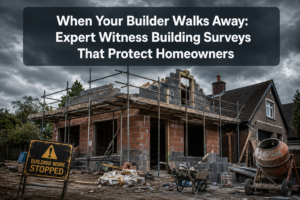
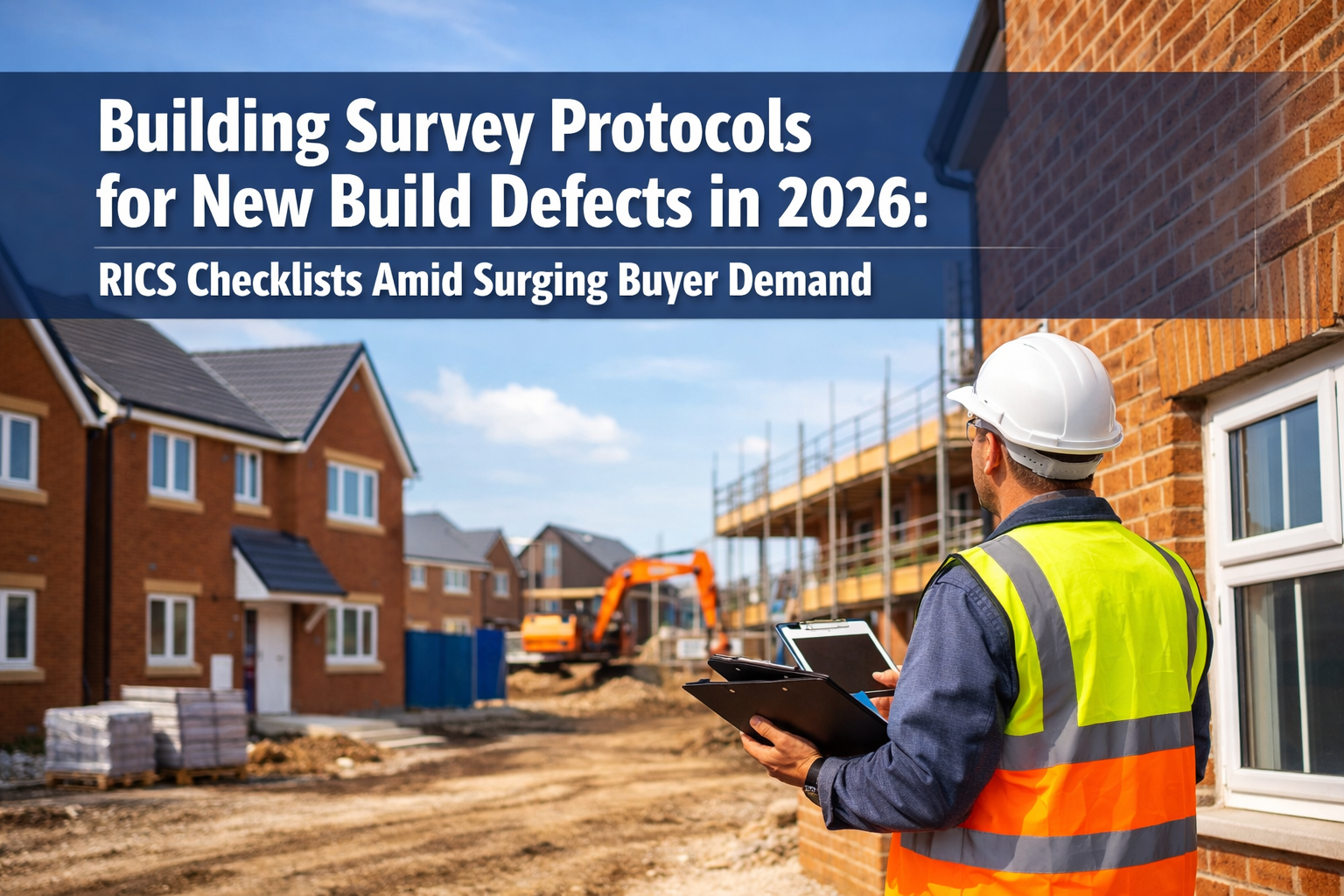
The property market in 2026 is experiencing a remarkable surge in buyer activity, with RICS data showing sharp increases in new enquiries across the UK. Yet beneath the gleaming facades of newly constructed homes lies a troubling reality: new build defects are more common than many buyers realize. From structural flaws to cosmetic snagging issues, these problems can turn a dream home into a costly nightmare. Understanding Building Survey Protocols for New Build Defects in 2026: RICS Checklists Amid Surging Buyer Demand has never been more critical for protecting your investment.
As homebuying reforms take effect and building standards evolve, prospective buyers need comprehensive guidance on identifying defects before signing on the dotted line. This article explores the essential protocols, checklists, and strategies that RICS-qualified surveyors employ to uncover hidden issues in new build properties.
Key Takeaways
- 📋 RICS checklists provide structured frameworks for identifying common new build defects including structural issues, inadequate insulation, and poor workmanship
- 🏗️ New homebuying reforms in 2026 mandate earlier inspections and upfront condition assessments, changing how surveys are conducted[1][3]
- 🔍 Professional building surveys reveal defects that standard mortgage valuations miss, protecting buyers from costly post-purchase repairs
- 📈 Rising buyer demand makes thorough pre-purchase surveys essential for negotiating price reductions or remedial work
- ✅ Comprehensive survey protocols examine everything from foundations to roofing, ensuring no defect goes undetected
Understanding Building Survey Protocols for New Build Defects in 2026
The Evolution of Building Standards and Survey Requirements
The landscape of building surveys has transformed significantly in 2026. The UK Government's publication of the Future Homes and Buildings Standards represents a major shift toward stricter construction requirements and enhanced building regulations.[2] These changes directly impact how RICS chartered building surveyors approach new build inspections.
Why new builds need surveys despite warranties:
- 🏠 NHBC warranties don't cover all defects
- ⚠️ Many issues only become apparent during professional inspection
- 💰 Defects can cost thousands to remedy after purchase
- 📝 Survey reports provide negotiating leverage with developers
- 🔒 Independent verification protects buyer interests
The new homebuying reforms introduced in 2026 require mandatory upfront condition assessments, fundamentally changing the timeline and approach to building surveys.[3] Buyers now receive comprehensive property information earlier in the transaction process, allowing for more informed decision-making.
Common New Build Defects Uncovered by RICS Surveys
New build properties may look pristine, but experienced surveyors regularly identify serious defects that compromise structural integrity, energy efficiency, and long-term value. Understanding these common issues helps buyers appreciate the importance of thorough survey protocols.
Structural and Foundation Issues:
| Defect Type | Description | Potential Impact |
|---|---|---|
| Settlement cracks | Excessive movement in foundations | Structural instability, water ingress |
| Inadequate foundations | Insufficient depth or reinforcement | Long-term subsidence risk |
| Poor concrete work | Improper mixing or curing | Reduced structural strength |
| Beam deflection | Excessive bending in load-bearing elements | Ceiling cracks, structural failure |
Building Envelope Defects:
- Inadequate insulation: Fails to meet thermal performance standards, increasing energy costs
- Poor cavity wall construction: Allows moisture penetration and thermal bridging
- Defective window installations: Air leakage, water ingress, and condensation problems
- Roof membrane failures: Premature deterioration leading to leaks
- Missing or inadequate damp-proof courses: Rising damp and moisture damage
Mechanical and Electrical Issues:
New builds often suffer from rushed installations during the final construction phases. Common problems include incorrect boiler installations, inadequate ventilation systems, faulty electrical circuits, and improperly installed plumbing that leads to leaks.
RICS Checklists and Protocols for Comprehensive New Build Surveys
The RICS Level 3 Building Survey Approach
For new build properties, a RICS Building Survey Level 3 provides the most comprehensive assessment. This detailed inspection examines every accessible part of the property, identifying both major defects and minor snagging issues that require attention.
Core components of RICS Level 3 surveys for new builds:
-
Pre-inspection documentation review
- Planning permissions and building control approvals
- Warranty documentation (NHBC, LABC, Premier Guarantee)
- Developer specifications and materials lists
- Energy Performance Certificates (EPC)
-
Systematic external inspection
- Foundation visibility checks
- External wall construction and finishes
- Roof covering, flashings, and guttering
- Windows, doors, and external joinery
- Drainage systems and external works
-
Comprehensive internal assessment
- Structural elements (walls, floors, ceilings)
- Internal finishes and workmanship quality
- Heating, plumbing, and electrical installations
- Ventilation and moisture control
- Fire safety provisions
-
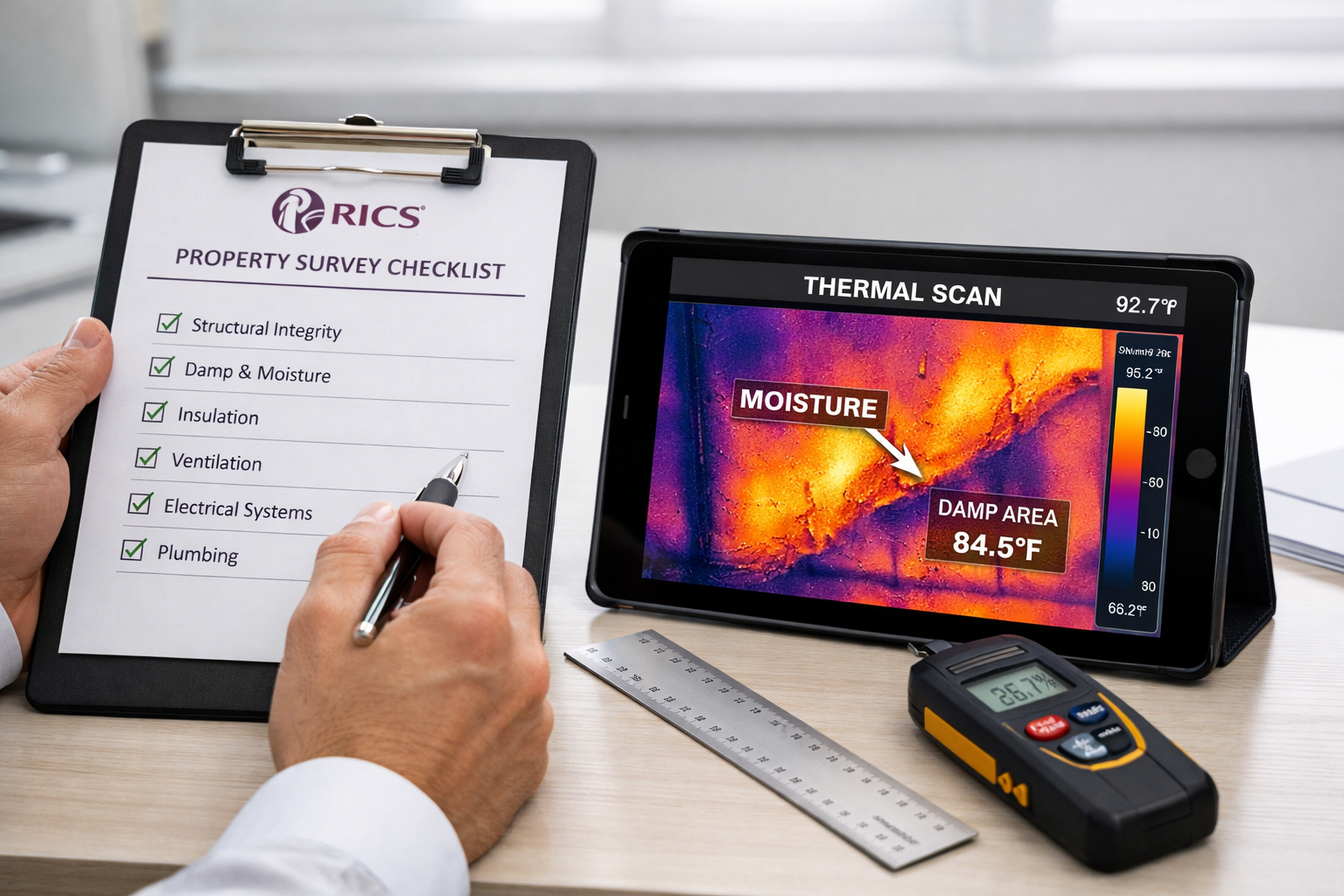
Specialist testing where required
- Thermal imaging for insulation defects
- Moisture meter readings
- Drainage camera surveys
- Air pressure testing for building envelope integrity
Specialized Snagging Surveys for New Builds
While comprehensive building surveys identify major defects, dedicated snagging reports focus specifically on cosmetic and minor construction issues that developers should rectify before completion.
Typical snagging checklist items:
✅ Paintwork and decoration: Uneven coverage, drips, missed areas, poor cutting-in
✅ Joinery and carpentry: Ill-fitting doors, squeaky floors, gaps in skirting boards
✅ Tiling and grouting: Cracked tiles, uneven grout lines, poor silicone seals
✅ Kitchen and bathroom fittings: Misaligned units, damaged worktops, faulty fixtures
✅ External finishes: Mortar staining, incomplete pointing, damaged render
✅ Landscaping: Unfinished gardens, poor drainage, damaged boundaries
"A thorough snagging inspection typically identifies 50-150 items requiring attention in an average new build home. Addressing these issues before legal completion saves buyers significant time and expense."
Integration with New 2026 Homebuying Reforms
The mandatory upfront condition assessments introduced in 2026 have changed when and how building surveys are conducted.[1][3] These reforms aim to reduce transaction fall-throughs and provide buyers with comprehensive information earlier in the process.
Key changes affecting Building Survey Protocols for New Build Defects in 2026:
- Earlier inspection timing: Surveys now occur before offers are formally accepted
- Standardized information packs: Developers must provide detailed construction documentation
- Enhanced disclosure requirements: Known defects must be declared upfront
- Reduced transaction timelines: Earlier surveys facilitate faster completions
- Improved buyer protection: Comprehensive information reduces post-purchase disputes
These reforms complement the Government's Future Homes and Buildings Standards, which RICS has welcomed as positive steps toward improved construction quality and net zero targets.[2]
Building Survey Protocols for New Build Defects in 2026: Practical Implementation
Selecting the Right Survey Type for Your New Build
Not all surveys are created equal, and choosing the appropriate level of inspection depends on several factors including property type, construction method, and your risk tolerance.
Survey comparison for new builds:
| Survey Type | Best For | Key Benefits | Limitations |
|---|---|---|---|
| RICS Level 2 HomeBuyer Survey | Standard new builds in good condition | Cost-effective, highlights major issues | Less detailed than Level 3 |
| RICS Level 3 Building Survey | All new builds, especially complex designs | Comprehensive assessment, detailed report | Higher cost, longer timescale |
| Snagging Survey | Pre-completion inspections | Identifies cosmetic issues for developer rectification | Doesn't assess structural elements |
| Specific Defect Survey | Targeted investigation of known issues | Detailed analysis of particular concerns | Limited scope |
Step-by-Step Protocol for New Build Defect Detection
Phase 1: Pre-Survey Preparation (1-2 weeks before)
Gather all available documentation from the developer including architectural plans, building control certificates, warranty documents, and materials specifications. Review planning applications and any correspondence regarding construction changes or delays.
Phase 2: Visual Inspection (Survey Day)
A qualified surveyor will spend 3-6 hours conducting a systematic examination of the property. For new builds, particular attention focuses on:
- 🔍 Quality of workmanship throughout all trades
- 🔍 Compliance with building regulations and approved plans
- 🔍 Thermal performance and insulation adequacy
- 🔍 Moisture control and ventilation effectiveness
- 🔍 Structural integrity of all load-bearing elements
Phase 3: Technical Testing (As Required)
Depending on initial findings, additional testing may include thermal imaging to detect insulation gaps, moisture meter readings to identify damp issues, drainage surveys using CCTV cameras, and air pressure testing to assess building envelope performance.
Phase 4: Report Compilation (3-5 days post-inspection)
The surveyor prepares a comprehensive report detailing all findings, categorized by urgency and severity. For new builds, reports typically include photographic evidence, recommendations for remedial work, estimated repair costs, and guidance on developer negotiations.

Leveraging Survey Findings in Purchase Negotiations
A thorough building survey provides powerful leverage when negotiating with developers or existing owners of recently built properties. Understanding how to use survey findings effectively can save thousands of pounds.
Negotiation strategies based on defect severity:
Category 1 – Urgent defects requiring immediate attention:
- Request developer rectification before completion
- Negotiate significant price reduction if seller refuses repairs
- Consider walking away if issues are too severe
Category 2 – Defects requiring future repair:
- Obtain quotes for remedial work
- Negotiate price reduction equivalent to repair costs plus contingency
- Request retention of funds until work completed
Category 3 – Minor defects and snagging issues:
- Compile comprehensive snagging list for developer
- Set completion deadlines for rectification
- Negotiate small price reduction if developer unable to fix pre-completion
"Buyers who commission comprehensive building surveys on new builds typically negotiate price reductions averaging £5,000-£15,000, or secure developer commitments to remedy identified defects before legal completion."
The Role of RICS Chartered Surveyors in Quality Assurance
Professional Standards and Qualifications
RICS chartered building surveyors adhere to strict professional standards that ensure survey quality and reliability. Their expertise becomes particularly valuable when assessing new builds, where construction techniques and materials may differ from traditional properties.
RICS surveyor qualifications include:
- 📚 Minimum degree-level education in surveying or related discipline
- 💼 Extensive practical experience through structured training programs
- 📋 Professional Assessment of Competence (APC) examination
- 🔄 Continuous Professional Development (CPD) requirements
- ⚖️ Adherence to RICS ethical standards and conduct rules
Beyond the Survey: Additional RICS Services for New Build Buyers
Comprehensive property assessment often requires multiple specialist services beyond standard building surveys. RICS professionals offer various complementary services that provide complete peace of mind for new build purchases.
Complementary RICS services:
- Reinstatement Cost Valuations: Determining accurate rebuild costs for insurance purposes
- Structural Surveys: Detailed engineering assessment of structural elements
- Roof Surveys: Specialized inspection of roofing systems and coverings
- Stock Condition Surveys: Comprehensive property condition assessment
- Red Book Valuations: Professional market valuations for various purposes
Technology and Innovation in 2026 Survey Protocols
Modern building survey protocols increasingly incorporate advanced technology to enhance defect detection and reporting accuracy. These innovations provide buyers with more detailed and actionable information than ever before.
Technological advances in 2026 surveys:
- Thermal imaging cameras: Detect insulation gaps, thermal bridging, and hidden moisture
- Drone inspections: Safely assess roofs and high-level elements without scaffolding
- 3D laser scanning: Create accurate property measurements and identify structural deviations
- Moisture mapping: Comprehensive damp detection using advanced sensors
- Digital reporting platforms: Interactive reports with embedded photos, videos, and annotations
Addressing Specific New Build Construction Methods
Modern Methods of Construction (MMC) Considerations
The construction industry has embraced innovative building techniques including modular construction, timber frame systems, and insulated concrete formwork. Each method presents unique considerations for survey protocols.
Timber frame new builds:
Timber frame construction offers excellent thermal performance but requires careful attention to moisture control and structural connections. Surveyors examine vapor barriers, cavity closures, wall tie installations, and structural timber condition for signs of moisture damage or inadequate treatment.
Modular and prefabricated construction:
Factory-built modules promise consistent quality but can suffer from transportation damage and poor on-site assembly. Critical inspection areas include module connections, weatherproofing at joints, services integration between modules, and foundation adequacy for modular loads.
Energy Efficiency and Sustainability Compliance
The Future Homes and Buildings Standards place significant emphasis on energy efficiency and sustainability.[2] Survey protocols in 2026 must verify compliance with these enhanced requirements.
Key energy efficiency checks:
- ✅ Insulation thickness and continuity in walls, roofs, and floors
- ✅ Window and door U-values meeting current standards
- ✅ Air tightness and ventilation system adequacy
- ✅ Heating system efficiency and renewable energy integration
- ✅ EPC rating accuracy and achievable performance levels
Managing the Survey Process: Timelines and Costs
Realistic Expectations for Survey Timescales
Understanding the timeline for comprehensive building surveys helps buyers plan their purchase process effectively, particularly given the new 2026 homebuying reforms requiring earlier inspections.[1]
Typical survey timeline:
- Booking to inspection: 3-7 days (varies by surveyor availability)
- Inspection duration: 3-6 hours for standard new build
- Report preparation: 3-5 working days
- Follow-up queries: 1-2 days for surveyor responses
- Total process: 1-2 weeks from booking to final report
Factors affecting timescales:
Property size and complexity, surveyor workload and availability, weather conditions for external inspection, access arrangements with developers, and additional testing requirements all influence overall duration.
Investment in Quality: Survey Costs and Value
While building surveys represent a significant upfront cost, they provide exceptional value by identifying defects that could cost tens of thousands to remedy post-purchase.
Approximate survey costs for new builds (2026):
- RICS Level 2 HomeBuyer Survey: £400-£800
- RICS Level 3 Building Survey: £600-£1,500
- Snagging Survey: £300-£600
- Combined Building + Snagging Survey: £800-£1,800
Costs vary based on property value, size, location, and complexity. However, identifying even a single significant defect typically justifies the entire survey investment through price negotiations or avoided future costs.
For detailed pricing information, consult our survey pricing guide.
Regional Considerations and Local Expertise
The Importance of Local Knowledge
Building standards, construction practices, and common defects vary significantly across different regions of the UK. Selecting a surveyor with local expertise ensures familiarity with area-specific issues and developer reputations.
Regional surveyor networks:
Local RICS surveyors understand regional construction methods, soil conditions affecting foundations, weather patterns influencing building envelope performance, local developer track records, and area-specific planning constraints.
Whether purchasing in London, Buckinghamshire, Hampshire, or Oxfordshire, engaging local chartered surveyors provides invaluable regional insights.
Future-Proofing Your New Build Investment
Long-Term Maintenance Planning
A comprehensive building survey not only identifies current defects but also provides guidance on future maintenance requirements to preserve property value and performance.
Essential maintenance planning areas:
- 10-year outlook: Anticipated component replacements and major works
- Annual maintenance: Routine tasks to prevent deterioration
- Warranty management: Understanding coverage periods and claim procedures
- Energy efficiency upgrades: Planning for future sustainability improvements
- Documentation retention: Maintaining records for future sales or refinancing
Understanding Warranty Limitations
New build warranties from NHBC, LABC, or Premier Guarantee provide important protections but have significant limitations that buyers must understand.
Common warranty exclusions:
- ❌ Cosmetic defects and minor snagging issues
- ❌ Normal wear and tear and routine maintenance
- ❌ Defects caused by owner alterations or neglect
- ❌ Issues reported after warranty expiry periods
- ❌ Consequential damage from unaddressed minor defects
A thorough building survey identifies issues that warranties won't cover, ensuring buyers have complete information about their property's condition and future maintenance needs.
Conclusion: Protecting Your Investment Through Rigorous Survey Protocols
As buyer demand surges in 2026 and new homebuying reforms reshape the property market, Building Survey Protocols for New Build Defects in 2026: RICS Checklists Amid Surging Buyer Demand represent essential tools for protecting your investment. Despite their pristine appearance, new build properties frequently harbor defects ranging from minor snagging issues to serious structural problems that compromise safety, performance, and value.
Key actions for prospective new build buyers:
- Commission a comprehensive RICS Level 3 Building Survey before committing to purchase, ensuring thorough assessment of all accessible elements
- Engage qualified RICS chartered surveyors with specific experience in new build inspections and local market knowledge
- Request detailed snagging lists for developer rectification before legal completion
- Leverage survey findings in purchase negotiations to secure price reductions or remedial commitments
- Understand warranty limitations and ensure surveys identify issues that warranties won't cover
- Plan for long-term maintenance based on surveyor recommendations and anticipated component lifecycles
The investment in professional building surveys typically represents less than 0.5% of property value but can save tens of thousands in avoided defects and successful price negotiations. With the enhanced building standards and homebuying reforms introduced in 2026, buyers have greater protections and earlier access to property information than ever before.[1][2][3]
Don't let the gleaming facade of a new build property blind you to potential defects lurking beneath the surface. Engage experienced RICS building surveyors to conduct comprehensive inspections using proven protocols and detailed checklists. Your future self will thank you for the diligence, and your property investment will remain sound for decades to come.
Take action today: Contact qualified RICS chartered surveyors to discuss your new build survey requirements and secure your property investment with professional expertise and comprehensive defect detection protocols.
References
[1] Building Surveys Under New Homebuying Rules Earlier Inspections And Risk Mitigation In 2026 – https://nottinghillsurveyors.com/blog/building-surveys-under-new-homebuying-rules-earlier-inspections-and-risk-mitigation-in-2026
[2] Rics Ceo Comments On The Publication Of The Future Homes And Building Standards – https://www.rics.org/news-insights/rics-ceo-comments-on-the-publication-of-the-future-homes-and-building-standards
[3] Homebuying Reform Impacts On Building Surveys Preparing For Mandatory Upfront Condition Assessments In 2026 – https://nottinghillsurveyors.com/blog/homebuying-reform-impacts-on-building-surveys-preparing-for-mandatory-upfront-condition-assessments-in-2026