Surveyor Council Housing: Complete Guide to Property Valuations and Assessments in 2026
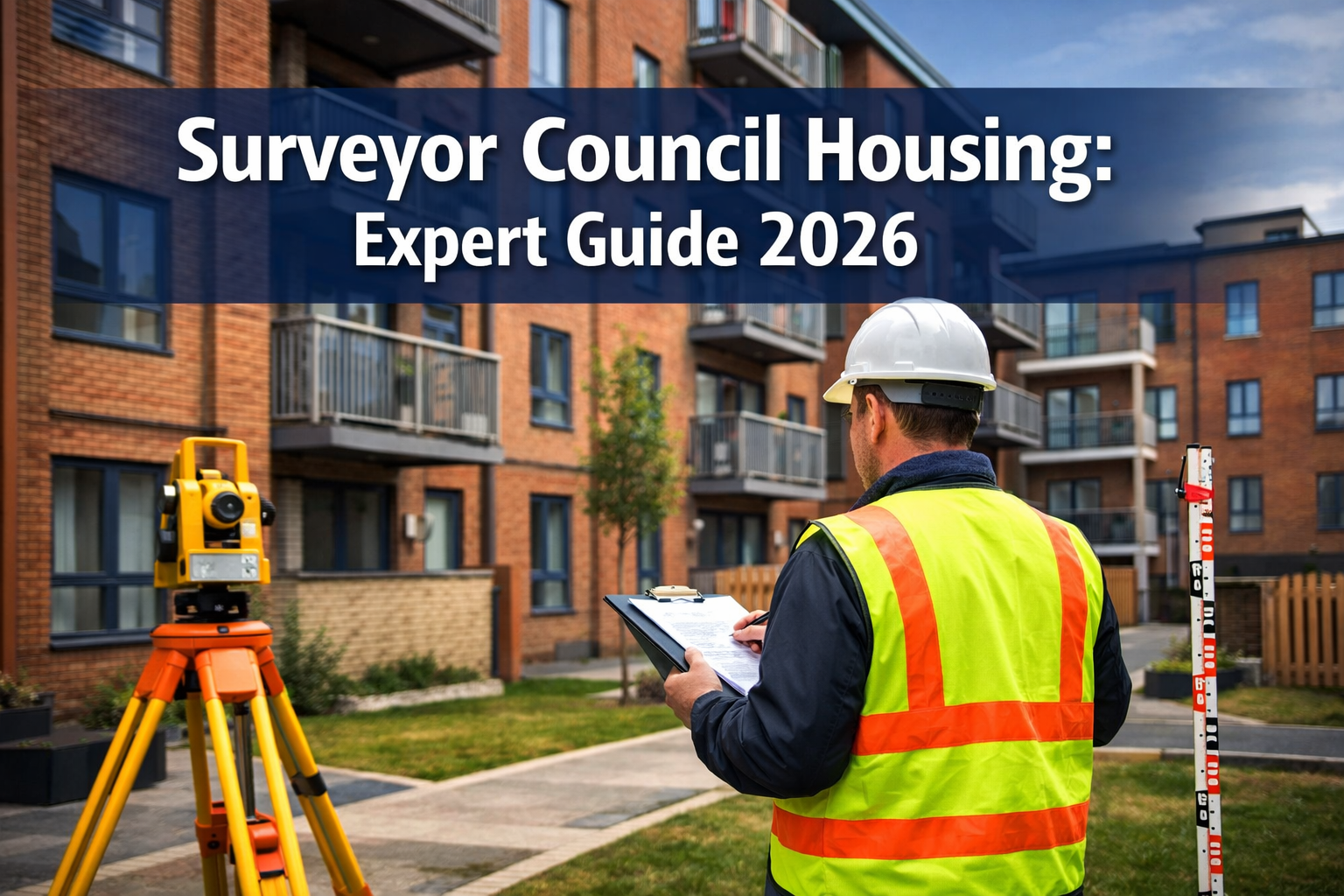
When council tenants decide to purchase their homes through the Right to Buy scheme or when local authorities need accurate property assessments, one professional stands at the centre of the process: the surveyor. Surveyor council housing specialists play a crucial role in ensuring fair valuations, identifying structural issues, and facilitating property transactions that affect thousands of families across the UK each year. Understanding how these professionals work and why their expertise matters can save tenants thousands of pounds and prevent costly mistakes.
Key Takeaways
- 🏘️ Surveyor council housing specialists provide essential valuations for Right to Buy purchases, lease extensions, and property assessments within social housing
- 💷 Independent valuations protect both tenants and local authorities by ensuring fair market prices based on RICS Red Book standards
- 🔍 Comprehensive surveys identify structural defects, damp issues, and maintenance concerns specific to council housing stock
- 📋 RICS-qualified surveyors bring professional expertise and regulatory compliance to council property transactions
- ⚖️ Accurate assessments can significantly impact purchase prices, discount calculations, and long-term property investment decisions
Understanding the Role of Surveyors in Council Housing
Council housing represents a significant portion of the UK’s residential property market, with millions of homes owned and managed by local authorities. The involvement of professional surveyors in this sector ensures transparency, fairness, and proper valuation standards across all transactions.
What Does a Surveyor Do for Council Housing?
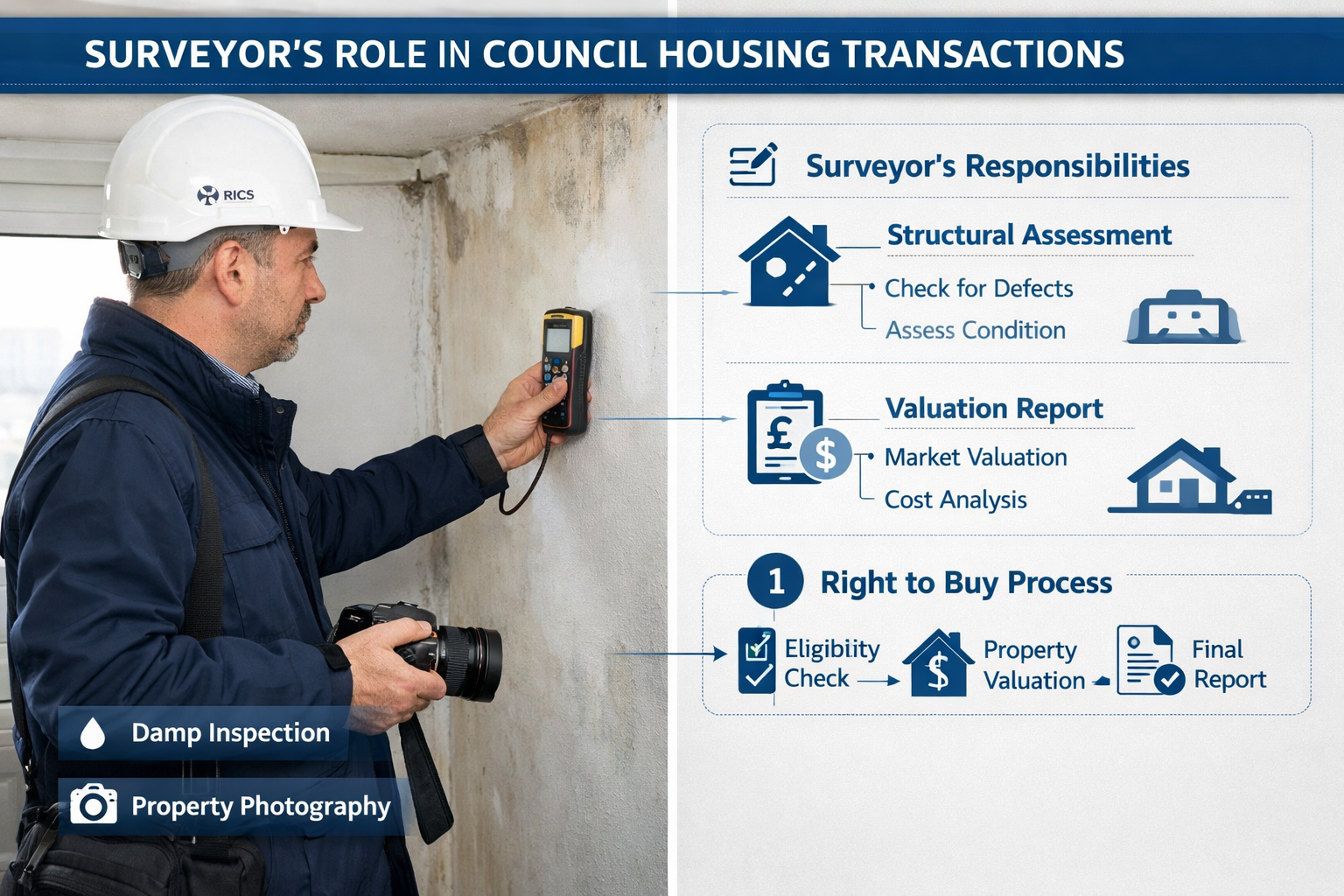
A surveyor council housing specialist performs multiple critical functions that differ from standard residential property surveys. These professionals assess properties owned by local authorities, housing associations, and social landlords to provide accurate valuations and condition reports.
Primary responsibilities include:
- Conducting detailed property inspections of council-owned homes
- Preparing valuation reports for Right to Buy applications
- Assessing structural integrity and identifying defects
- Determining fair market values based on comparable sales
- Evaluating properties for lease extension purposes
- Providing expert witness testimony in housing disputes
The work of these surveyors directly impacts thousands of families seeking to purchase their council homes or resolve property-related issues. Their expertise ensures that all parties receive fair treatment based on objective, professional assessments.
Types of Survey Services for Council Properties
Council housing requires specialized survey services tailored to the unique characteristics of social housing stock. Professional surveyors offer various assessment types designed specifically for this sector.
| Survey Type | Purpose | Typical Cost Range |
|---|---|---|
| Right to Buy Valuation | Determines purchase price for council tenants | £250-£600 |
| Homebuyer Survey | Identifies defects and maintenance issues | £400-£900 |
| Building Survey | Comprehensive structural assessment | £600-£1,500 |
| Lease Extension Valuation | Calculates premium for extending lease | £300-£800 |
| Shared Ownership Valuation | Assesses value for shared ownership schemes | £250-£500 |
Each survey type serves a specific purpose within the council housing framework. The choice depends on the transaction type, property age, and the level of detail required by the parties involved.
Right to Buy Valuations: How Surveyors Determine Council House Prices
The Right to Buy scheme remains one of the most significant pathways to homeownership in the UK. Since its introduction in 1980, over 2 million council tenants have purchased their homes. A surveyor council housing valuation forms the foundation of every Right to Buy transaction.
The Right to Buy Valuation Process
When a council tenant applies to purchase their home, the local authority must arrange for an independent Right to Buy valuation to determine the property’s market value. This valuation directly affects the purchase price and the discount the tenant receives.
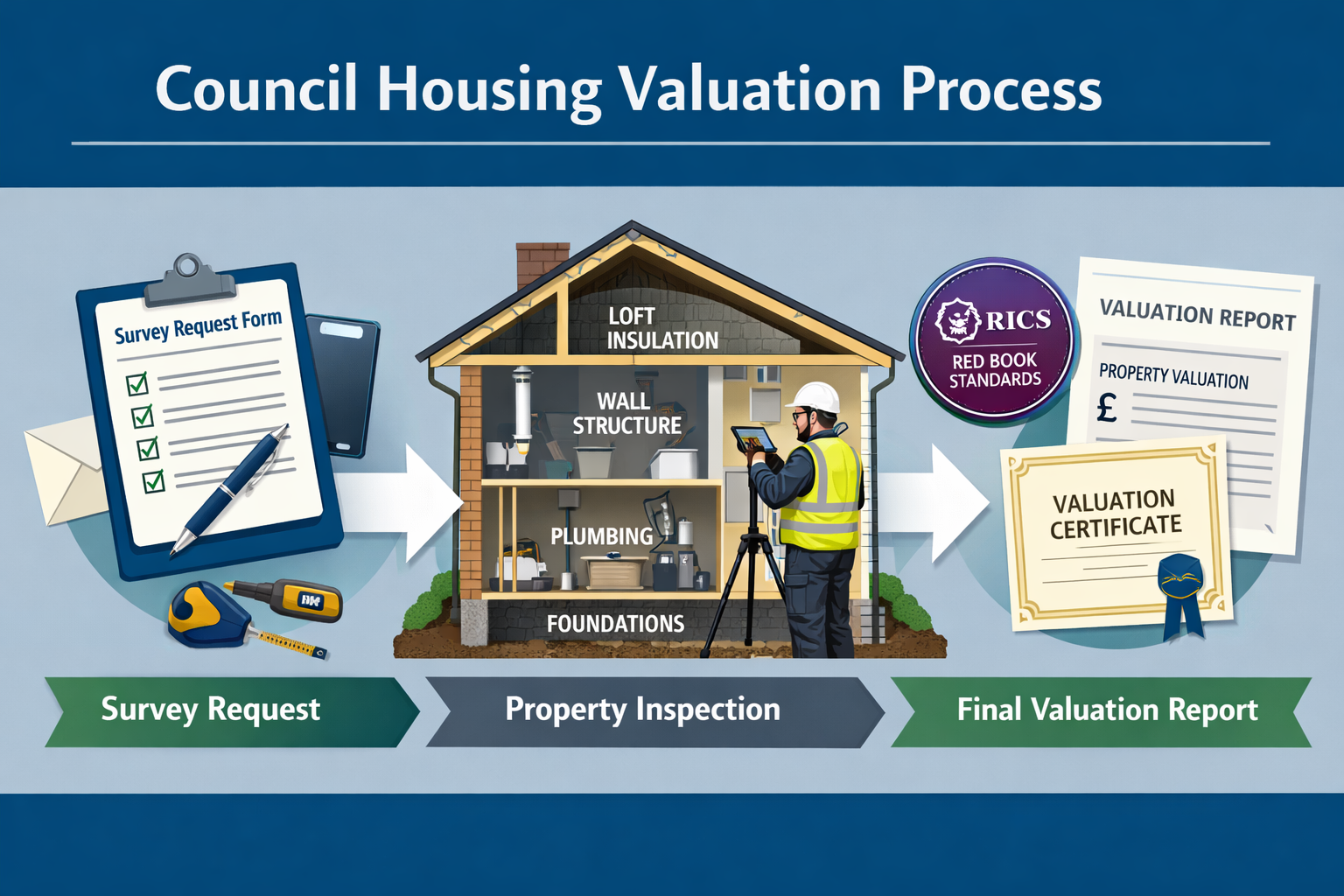
The valuation process follows these steps:
- Initial instruction – The local authority appoints a RICS-qualified surveyor
- Property inspection – The surveyor visits the property to assess condition and features
- Market analysis – Comparable sales in the area are researched and analyzed
- Valuation calculation – The surveyor determines the open market value
- Report preparation – A formal valuation report is produced
- Discount application – The tenant’s eligible discount is deducted from the valuation
The surveyor must value the property as if it were being sold on the open market with vacant possession. This means imagining the property is empty and available for immediate sale to any buyer.
Factors Affecting Council Housing Valuations
Several factors of valuation influence the final price determined by a surveyor. Understanding these elements helps tenants anticipate their purchase price and potential discount.
Key valuation factors include:
- Location and neighbourhood – Proximity to amenities, schools, and transport links
- Property size – Number of bedrooms, overall square footage, and garden size
- Condition and age – Structural integrity, modernization level, and maintenance history
- Property type – House, flat, maisonette, or bungalow configuration
- Comparable sales – Recent sale prices of similar properties in the area
- Market conditions – Current demand and supply dynamics in the local housing market
- Improvements made – Tenant-funded enhancements that add value
“The accuracy of a Right to Buy valuation can mean the difference between an affordable purchase and a financial burden. Independent professional surveyors ensure both tenants and councils receive fair treatment.” – RICS Housing Valuation Standards
Tenants who disagree with their council’s valuation have the right to commission an independent surveyor to provide a second opinion. This safeguard ensures fairness and transparency throughout the process.
Choosing the Right Surveyor for Council Housing Transactions
Selecting an appropriate surveyor for council housing matters requires careful consideration. Not all surveyors possess the specialized knowledge needed for social housing valuations and assessments.
Essential Qualifications and Credentials
When engaging a surveyor council housing professional, certain qualifications ensure competence and regulatory compliance. The most important credential is membership with the Royal Institution of Chartered Surveyors (RICS).
Look for these qualifications:
- ✅ RICS membership – Ensures adherence to professional standards and ethics
- ✅ Specialist experience – Demonstrated expertise in social housing valuations
- ✅ Local market knowledge – Familiarity with the specific area and comparable properties
- ✅ Professional indemnity insurance – Protection against errors or negligence
- ✅ Red Book compliance – Valuations conducted according to RICS Valuation Standards
Valuers registered with the RICS must maintain continuing professional development and adhere to strict ethical guidelines. This professional framework protects clients and ensures consistent quality across the industry.
Questions to Ask Before Hiring a Surveyor
Before commissioning a survey or valuation for council housing purposes, tenants and authorities should ask specific questions to ensure they’re engaging the right professional.
Important questions include:
- How many Right to Buy valuations have you completed in the past year?
- Are you familiar with council housing stock in this specific area?
- What is your typical turnaround time for valuation reports?
- Do you provide detailed valuation reports that comply with RICS Red Book standards?
- Can you provide references from previous council housing clients?
- What is included in your fee, and are there any additional costs?
- Do you offer dispute resolution services if valuations are challenged?
Transparent communication about fees, timelines, and methodology helps establish trust and ensures both parties understand the scope of work. A reputable surveyor will gladly answer these questions and provide clear documentation of their qualifications.
Common Issues Surveyors Find in Council Housing Properties
Council housing stock varies significantly in age, construction type, and maintenance history. Surveyor council housing inspections frequently identify recurring issues that affect property values and purchase decisions.
Structural and Maintenance Concerns
Many council properties were constructed during the post-war building boom using non-traditional construction methods. These properties present unique challenges that experienced surveyors must identify and assess.
Frequently encountered issues:
- Damp and condensation – Poor ventilation and aging building fabric create moisture problems
- Concrete deterioration – Properties built with reinforced concrete frames may show carbonation or spalling
- Roof defects – Aging roofs with missing tiles, damaged flashing, or inadequate insulation
- Window and door failures – Original single-glazed windows or poorly fitted replacements
- Electrical system obsolescence – Outdated wiring that doesn’t meet current safety standards
- Heating system inefficiency – Old boilers and inadequate central heating systems
- External rendering issues – Cracking, detachment, or water penetration through external walls
- Asbestos presence – Particularly in properties built between 1950 and 1980
These defects don’t necessarily prevent a Right to Buy purchase, but they significantly impact valuation and help tenants make informed decisions about their investment. A comprehensive survey reveals the true condition and potential future costs.
How Defects Affect Valuations and Purchase Decisions
When a surveyor identifies significant defects during a council housing inspection, these findings directly influence the property’s valuation and the tenant’s purchasing decision.
Impact of defects on valuations:
| Defect Type | Typical Value Impact | Repair Cost Range |
|---|---|---|
| Minor damp issues | 5-10% reduction | £500-£2,000 |
| Major structural cracks | 15-25% reduction | £5,000-£20,000 |
| Roof replacement needed | 10-15% reduction | £4,000-£12,000 |
| Complete rewiring required | 8-12% reduction | £3,000-£8,000 |
| Asbestos removal | 5-15% reduction | £2,000-£15,000 |
Tenants should carefully review survey findings before proceeding with a Right to Buy purchase. In some cases, negotiating with the council to complete repairs before completion or adjusting the purchase price may be possible.
The Legal Framework Governing Surveyor Council Housing Valuations
Professional surveyors working in the council housing sector operate within a comprehensive legal and regulatory framework. Understanding these requirements ensures compliance and protects all parties involved in property transactions.
RICS Red Book Standards and Compliance
The RICS Valuation – Global Standards, commonly known as the Red Book, establishes the mandatory requirements for RICS members conducting valuations. These standards apply equally to council housing valuations.
Key Red Book requirements include:
- Independence and objectivity – Surveyors must avoid conflicts of interest
- Competence – Valuers must possess appropriate knowledge and experience
- Transparent methodology – Clear explanation of valuation approach and assumptions
- Proper inspection – Adequate property inspection appropriate to the valuation purpose
- Market evidence – Use of relevant comparable transactions and market data
- Clear reporting – Comprehensive written reports meeting prescribed standards
For valuation of shared ownership properties and other council housing transactions, Red Book compliance ensures consistency, reliability, and professional accountability.
Tenant Rights and Dispute Resolution
Council tenants have specific rights when it comes to property valuations, particularly under the Right to Buy scheme. Understanding these rights empowers tenants to challenge unfair valuations and seek independent assessments.
Tenant rights include:
- 📋 Right to receive a written valuation – The council must provide a formal valuation notice
- 🔄 Right to challenge the valuation – Tenants can dispute valuations they believe are excessive
- 🏛️ Right to independent assessment – Commissioning a private surveyor for a second opinion
- ⚖️ Access to dispute resolution – Formal appeals process through the District Valuer
- 📅 Time limits – Specific deadlines for challenging valuations and completing purchases
When disputes arise, the District Valuer Service (DVS) provides an independent arbitration service. This government agency resolves disagreements between tenants and local authorities regarding Right to Buy valuations, ensuring fairness for both parties.
Cost Considerations for Council Housing Surveys and Valuations
Understanding the financial aspects of engaging a surveyor council housing professional helps tenants and authorities budget appropriately for property transactions. Valuation costs vary based on several factors.
Typical Fee Structures
Survey and valuation fees for council housing depend on the property type, location, survey level, and the surveyor’s experience. Transparency about costs helps clients make informed decisions.
Average costs in 2026:
- Basic Right to Buy valuation: £250-£400
- Homebuyer Report for council property: £400-£700
- Full Building Survey: £600-£1,200
- Lease extension valuation: £300-£600
- Expert witness services: £150-£300 per hour
Many surveyors offer fixed-fee arrangements for standard services, providing cost certainty for clients. Always request a written fee quotation that clearly outlines what’s included and any potential additional charges.
Who Pays for Council Housing Valuations?
The question of who bears the cost of surveys and valuations depends on the specific transaction type and the stage of the process.
Payment responsibility typically breaks down as follows:
- Initial Right to Buy valuation – Local authority pays (cost recovered through purchase price)
- Independent second opinion – Tenant pays if challenging council’s valuation
- Pre-purchase survey – Tenant pays to assess property condition before buying
- Lease extension valuation – Leaseholder typically pays
- Dispute resolution valuation – Costs may be shared or awarded based on outcome
Tenants should factor these costs into their overall budget when considering a Right to Buy purchase. While the expense may seem significant, a professional survey can save thousands by identifying defects or confirming fair pricing.
Specialized Council Housing Valuation Scenarios
Beyond standard Right to Buy transactions, surveyor council housing professionals handle various specialized valuation scenarios that require specific expertise and methodologies.
Lease Extensions and Enfranchisement
Council tenants who purchased their flats under Right to Buy hold leasehold interests that diminish over time. As leases shorten, property values decline, making lease extensions crucial for maintaining investment value.
A surveyor’s role in lease extension valuations involves calculating the premium the leaseholder must pay to extend their lease. This complex calculation considers the property’s current value, the remaining lease term, and statutory formulas.
For those seeking lease extension valuation services, professional surveyors provide detailed assessments that comply with the Leasehold Reform, Housing and Urban Development Act 1993. The valuation determines both the premium and any compensation payable to the landlord.
Matrimonial and Probate Valuations
Council housing properties often feature in matrimonial settlements and estate distributions, requiring accurate valuations for legal purposes.
Specialized valuation scenarios include:
- Matrimonial valuations – Determining property value for divorce settlements
- Valuation for probate – Establishing estate value for inheritance tax purposes
- Capital gains tax valuations – Assessing value for tax liability calculations
These valuations require specific methodologies and must meet legal standards for admissibility in court proceedings. Surveyors providing these services often serve as expert witnesses, defending their valuations under cross-examination.
The Future of Surveying in Council Housing
The council housing sector continues to evolve, with changes in government policy, building technology, and market dynamics affecting how surveyors approach their work in 2026 and beyond.
Technological Advances in Property Assessment
Modern surveying increasingly incorporates digital tools and technologies that enhance accuracy, efficiency, and reporting quality.
Emerging technologies include:
- 🏗️ 3D laser scanning – Creating detailed property models for accurate measurements
- 🚁 Drone surveys – Inspecting roofs and high-level areas safely and comprehensively
- 📱 Mobile reporting apps – Real-time data capture and instant report generation
- 🤖 AI-assisted valuations – Machine learning algorithms analyzing comparable sales data
- 🌡️ Thermal imaging – Identifying heat loss, damp, and insulation defects
- 📊 Digital mapping – Geographic information systems for location analysis
These technologies complement rather than replace professional judgment. Experienced surveyors combine technological tools with their expertise to deliver superior assessments for council housing clients.
Policy Changes Affecting Council Housing Valuations
Government housing policy significantly impacts the work of surveyor council housing professionals. Recent and anticipated changes shape valuation practices and market dynamics.
Key policy developments in 2026:
- Right to Buy discount caps – Regional variations affecting purchase affordability
- Building safety regulations – Post-Grenfell reforms impacting property values
- Energy efficiency standards – EPC requirements influencing valuations
- Leasehold reform – Proposed changes to lease extension calculations
- Social housing quality standards – New maintenance requirements affecting property condition
Surveyors must stay current with these policy changes to provide accurate, compliant valuations that reflect the latest regulatory environment. Professional development and continuing education ensure surveyors maintain their expertise as the landscape evolves.
Conclusion: Making Informed Decisions with Professional Survey Support
Navigating the complexities of council housing transactions requires professional expertise that only qualified surveyors can provide. Whether purchasing through Right to Buy, extending a lease, or resolving a property dispute, a surveyor council housing specialist brings invaluable knowledge, objectivity, and regulatory compliance to the process.
The investment in professional survey services protects tenants from overpaying for properties, identifies costly defects before purchase, and ensures fair treatment in all transactions. For local authorities, independent professional valuations maintain transparency and defend against challenges.
Next Steps for Council Housing Tenants and Stakeholders
If you’re considering a council housing transaction, take these actionable steps:
- Research qualified surveyors – Verify RICS membership and relevant experience
- Request detailed quotations – Compare fees and services from multiple professionals
- Understand your rights – Familiarize yourself with Right to Buy procedures and appeal processes
- Commission appropriate surveys – Choose the survey level that matches your needs and risk tolerance
- Review reports carefully – Don’t hesitate to ask surveyors to clarify findings or recommendations
- Seek independent advice – Consider consulting with experienced professionals who understand your specific situation
For expert guidance on council housing valuations and surveys, contact qualified surveyors who can provide tailored advice for your circumstances. Professional support ensures you make informed decisions that protect your financial interests and secure your housing future.
The council housing sector offers valuable opportunities for tenants to achieve homeownership and build equity. With professional surveyor support, these transactions proceed smoothly, fairly, and with confidence for all parties involved. Don’t navigate this important process alone—engage qualified professionals who can guide you toward successful outcomes.