Semi Detached Party Wall: The Complete Guide for Homeowners in 2025
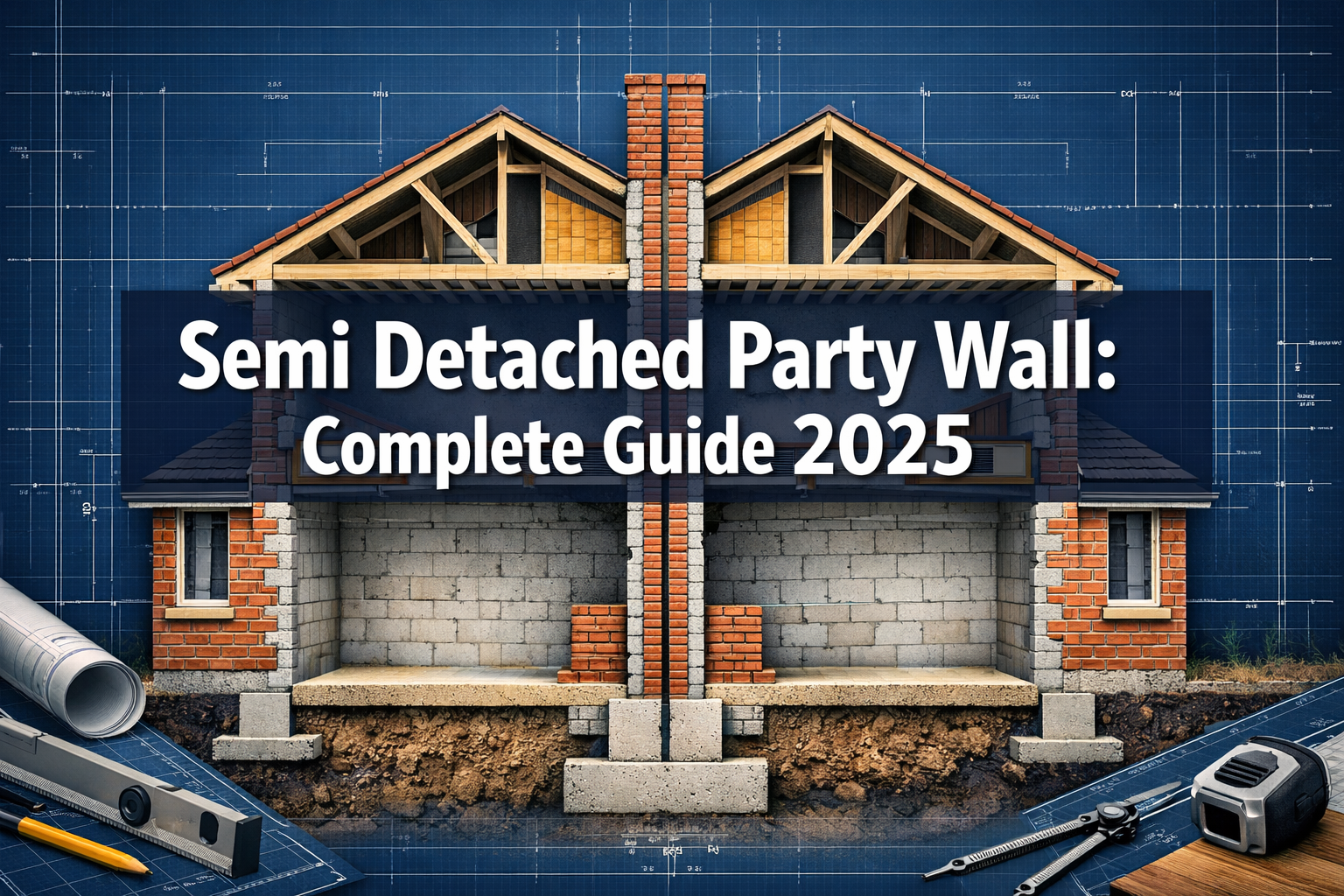
Imagine discovering that the renovation work your neighbor is planning could affect the structural integrity of your home—and you have no idea what rights you have. For millions of homeowners living in semi-detached properties across the UK, understanding the semi detached party wall is not just important; it’s essential for protecting your property investment and maintaining good neighborly relations. Whether you’re planning an extension, converting a loft, or simply want to understand your legal obligations, this comprehensive guide will equip you with everything you need to know about party walls in semi-detached homes.
Key Takeaways
- 🏠 A semi detached party wall is a shared wall between two properties that provides structural support and fire separation, with specific legal protections under the Party Wall Act 1996
- 📋 Party Wall Notices are mandatory for most building work affecting the shared wall, with strict timelines and procedures that must be followed
- 💰 Costs and responsibilities are typically borne by the building owner initiating the work, including surveyor fees and any remedial work needed
- ⚖️ Legal rights are protected for both property owners, with dispute resolution mechanisms built into the legislation
- 🔍 Professional surveyor involvement is often essential for complex projects, ensuring compliance and protecting both parties’ interests
What Is a Semi Detached Party Wall?
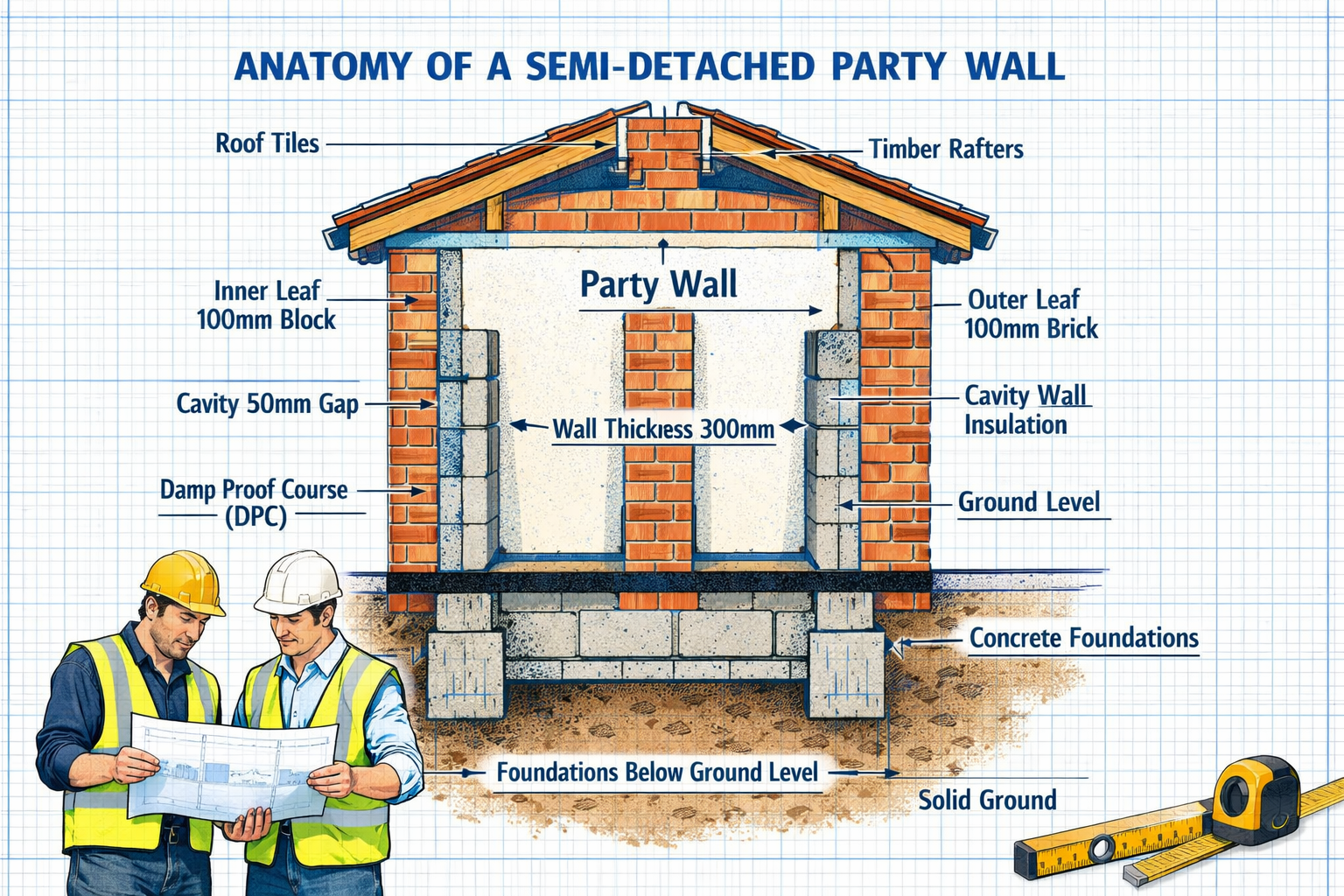
A semi detached party wall is a shared structural wall that separates two properties in a semi-detached building configuration. Unlike detached homes that stand completely independently, semi-detached properties share a common wall that runs vertically from the foundations through to the roof line, creating a physical and legal connection between two distinct dwellings.
Defining Characteristics
The semi detached party wall serves multiple critical functions:
Structural Support 🏗️ – The wall bears the load of both properties’ roof structures, upper floors, and in many cases, chimney stacks. This shared load-bearing responsibility makes it fundamentally different from a simple boundary fence or non-structural partition.
Fire Separation 🔥 – Building regulations require party walls to provide fire resistance, typically for at least 60 minutes, protecting occupants on both sides from the spread of fire.
Sound Insulation 🔇 – Modern party walls must meet specific acoustic performance standards to minimize noise transmission between properties.
Weather Protection ☔ – The wall forms part of the external envelope for both properties, keeping out wind and rain.
Legal Definition Under the Party Wall Act 1996
The Party Wall etc. Act 1996 provides the legal framework governing work on party walls. Under this legislation, a party wall is defined as:
- A wall standing on the lands of two or more owners and forming part of a building (this includes semi-detached party walls)
- A wall standing on the lands of two owners but not forming part of a building (such as a garden wall)
- A wall that is on one owner’s land but is used by two or more owners to separate their buildings
For semi-detached properties, the first definition applies. The wall typically sits centrally on the boundary line, with each owner owning half of the wall’s thickness. However, ownership can vary based on property deeds and historical arrangements.
Working with professional chartered surveyors can help clarify these ownership questions and ensure all legal requirements are met when planning building work.
Understanding Party Wall Ownership in Semi-Detached Properties
The question of ownership for a semi detached party wall is more nuanced than many homeowners realize. While the simple answer is that both neighbors typically own half of the wall, the reality involves legal, historical, and practical considerations.
The Standard Ownership Model
In most semi-detached properties built in the 20th and 21st centuries, the party wall sits directly on the boundary line between the two properties. This means:
| Aspect | Details |
|---|---|
| Ownership Split | Each owner typically owns half the wall’s thickness |
| Maintenance Responsibility | Shared between both parties |
| Repair Costs | Generally split equally unless one party caused damage |
| Modification Rights | Both parties must consent to changes |
Exceptions and Historical Variations
Not all party walls follow this standard model. Some important exceptions include:
Pre-1900 Properties – Older semi-detached homes may have party walls that sit entirely on one property’s land, with the neighboring property having an easement (legal right) to use the wall for support.
Terraced Conversions – Some semi-detached properties were originally part of terraced rows. These may have different ownership arrangements based on how the properties were subdivided.
Rebuilt or Modified Walls – If a party wall has been rebuilt or significantly modified, the ownership may have changed from the original arrangement.
“Understanding who owns what portion of a party wall is crucial before undertaking any building work. Assumptions can lead to costly disputes and legal complications.” – RICS Guidance Note
Checking Your Property Deeds
The definitive answer to party wall ownership lies in your property deeds. These documents should specify:
- The exact boundary line between properties
- Any specific arrangements regarding the party wall
- Historical agreements or covenants affecting the wall
- Easements or rights granted to neighboring properties
If you’re planning significant work, obtaining a professional property valuation can help establish the current state of your property and any party wall arrangements.
The Party Wall Act 1996: Your Rights and Obligations
The Party Wall etc. Act 1996 is the cornerstone legislation governing work on semi detached party walls in England and Wales. Understanding this Act is essential for anyone planning building work that might affect a shared wall.
When Does the Act Apply?
The Party Wall Act applies to three main categories of work:
1. Work Directly to an Existing Party Wall 📝
This includes:
- Cutting into the wall to install beams (e.g., for a loft conversion)
- Raising the height of the party wall
- Demolishing and rebuilding the party wall
- Underpinning the party wall
- Cutting away projections or weathering
2. Building a New Wall at the Boundary 🧱
When constructing a new wall at or astride the boundary line between properties, the Act requires notification even if the wall will be entirely on your land.
3. Excavation Near a Neighbor’s Structure ⛏️
If you’re excavating within three or six meters (depending on depth) of a neighboring building’s foundations, you must serve notice.
The Notice Process: Step-by-Step
Understanding the notice procedure is critical for compliance:
Step 1: Serve Notice (Minimum 2 Months Before Work)
The building owner must serve written notice to all affected adjoining owners, detailing the proposed work with plans and specifications.
Step 2: Neighbor’s Response (14 Days)
The adjoining owner has 14 days to either:
- Consent to the work in writing
- Dissent or not respond (which counts as dissent)
Step 3: Appointing Surveyors
If there’s dissent, both parties can either:
- Appoint a single “Agreed Surveyor” to act for both parties
- Each appoint their own surveyor
Step 4: The Party Wall Award
Surveyors prepare a Party Wall Award, which is a legal document specifying:
- What work can be done
- When it can be carried out
- How it will be executed
- Who pays for what
Common Misconceptions About the Act
❌ Myth: “If my neighbor agrees verbally, I don’t need to serve notice.”
✅ Reality: Formal written notice is always required, even with neighborly consent.
❌ Myth: “The Act only applies to major building work.”
✅ Reality: Even minor works like installing a single beam can trigger the Act.
❌ Myth: “My neighbor can stop my building project.”
✅ Reality: Neighbors cannot prevent work; they can only ensure it’s done properly with protections in place.
For complex projects requiring expert valuation services, professional guidance ensures compliance with all legal requirements while protecting your interests.
Types of Work Requiring Party Wall Notices for Semi-Detached Properties
Not all building work on or near a semi detached party wall requires formal notices, but many common projects do. Understanding which works trigger the Party Wall Act helps homeowners plan properly and avoid legal complications.
Major Works Always Requiring Notice
Loft Conversions 🏠
Loft conversions frequently affect party walls because:
- Steel beams often need to be inserted into the party wall for support
- The party wall may need to be raised to create adequate headroom
- Fire safety regulations may require upgrading the party wall’s fire resistance
- Structural changes can affect the load distribution on the shared wall
Extensions and Additions 📐
When building an extension on a semi-detached property:
- New walls often need to tie into or be supported by the existing party wall
- Foundation work may extend beneath the neighbor’s property
- The party wall may need strengthening to support additional loads
- Excavations for foundations could affect the party wall’s stability
Basement Conversions and Underpinning ⬇️
These projects almost always require party wall procedures because:
- Excavation work directly affects the party wall foundations
- Underpinning changes the structural support system
- There’s significant risk to the neighboring property if not done correctly
- Temporary works may require access to or support from the neighbor’s property
Medium-Impact Works
Chimney Work 🔥
Chimney breasts often form part of the party wall structure. Notice is required when:
- Removing a chimney breast from the party wall
- Installing flues or vents through the party wall
- Rebuilding or repairing chimney stacks that straddle the boundary
Damp Proofing and Cavity Wall Insulation 💧
While these seem like minor works, they can require notice if:
- Injecting damp proof courses into the party wall
- Installing cavity wall insulation that affects both properties
- Drilling or cutting into the party wall structure
Window and Door Installations 🚪
Creating new openings in a party wall or enlarging existing ones requires notice, as this affects the wall’s structural integrity and fire resistance.
Works That Typically Don’t Require Notice
Some common projects don’t trigger the Party Wall Act:
✅ Purely Internal Decorations – Painting, wallpapering, or plastering that doesn’t affect the wall structure
✅ Minor Fixings – Hanging pictures, shelves, or TV brackets with small fixings
✅ Repairs That Don’t Alter Structure – Repointing external brickwork on your side only
✅ Electrical Work – Installing sockets or switches without cutting into the structural wall
The Gray Areas
Some works fall into uncertain territory and benefit from professional advice:
Removing Non-Load-Bearing Walls – If a wall appears non-structural but connects to the party wall, professional assessment is wise.
Garden Walls and Boundaries – Work on boundary walls separate from the house may or may not require notice depending on their classification.
Drainage Work – Installing or modifying drains near the party wall foundations can trigger notice requirements.
When in doubt, consulting with experienced surveyors ensures you understand your obligations before starting work. The cost of professional advice is minimal compared to the expense and stress of disputes or having to redo non-compliant work.
The Party Wall Notice Process: A Detailed Timeline
Successfully navigating the party wall notice process for your semi detached party wall project requires careful attention to timelines and procedures. Here’s a comprehensive breakdown of what to expect at each stage.
Pre-Notice Phase (2-3 Months Before Planned Work)
Initial Planning and Design 📋
Before serving any notices:
- Finalize your building plans with detailed drawings
- Obtain necessary planning permissions (if required)
- Identify all adjoining owners who need to receive notice
- Prepare a clear description of the proposed works
- Consider appointing a party wall surveyor early for advice
Neighbor Communication 🗣️
While not legally required, informal discussion with neighbors before serving formal notice can:
- Build goodwill and reduce the likelihood of disputes
- Identify concerns early that can be addressed in the design
- Explain the benefits and timeline of your project
- Establish realistic expectations about the process
Serving the Notice (Minimum 2 Months Before Work)
Notice Requirements ✉️
The notice must include:
| Component | Details |
|---|---|
| Property Details | Full addresses of both properties |
| Owner Information | Names and contact details |
| Work Description | Detailed explanation of proposed work |
| Plans and Drawings | Scaled drawings showing the work |
| Proposed Start Date | When you intend to begin (minimum 2 months away) |
| Building Owner Details | Your contact information and surveyor details if appointed |
Delivery Methods 📬
Notices can be served by:
- Hand delivery with signed receipt
- Recorded delivery post (recommended for proof)
- Email if previously agreed in writing
Pro Tip: Always keep proof of service. If a dispute arises about whether notice was properly served, you’ll need evidence.
The Response Period (14 Days)
Possible Responses
Your neighbor can:
1. Consent in Writing ✅
- Work can proceed as planned
- No surveyors needed
- Keep the consent letter safely
2. Dissent or Fail to Respond ⚠️
- Triggers the surveyor appointment process
- Not necessarily confrontational—many neighbors dissent simply to ensure proper oversight
- The process continues with formal protections for both parties
3. Request Modifications 🔄
- Neighbor may consent with conditions
- Requires negotiation and potentially revised plans
The Surveyor Appointment Phase (If Dissent Occurs)
Choosing Your Surveyor Approach 👷
Option A: Agreed Surveyor
- One surveyor acts impartially for both parties
- More cost-effective (fees shared)
- Faster process
- Requires both parties to agree on the surveyor
Option B: Two Surveyors
- Each party appoints their own surveyor
- The two surveyors select a “Third Surveyor” to resolve any disagreements
- More expensive but provides independent representation
- Common for complex or contentious projects
Surveyor Selection Criteria 🎯
Look for surveyors who are:
- Members of the Royal Institution of Chartered Surveyors (RICS)
- Experienced specifically in party wall matters
- Independent (not your builder or architect)
- Familiar with local building practices
Professional firms like Manchester Surveyors specialize in party wall matters and can guide you through the entire process.
The Party Wall Award (4-6 Weeks After Surveyor Appointment)
Award Contents 📄
The Party Wall Award is a legally binding document that specifies:
- Scope of Works: Exactly what work is permitted
- Access Rights: When and how contractors can access the neighbor’s property
- Working Hours: Permitted times for noisy or disruptive work
- Condition Schedule: Photographs and descriptions of the neighbor’s property before work begins
- Cost Allocation: Who pays for what, including surveyor fees
- Dispute Resolution: Procedures if problems arise during construction
Timeline Considerations ⏰
The entire process from initial notice to receiving the Award typically takes:
- Minimum: 2-3 months
- Average: 3-4 months
- Complex cases: 4-6 months
Important: You cannot legally begin work until:
- Your neighbor has consented in writing, OR
- A Party Wall Award has been issued
During Construction Phase
Ongoing Obligations 🔨
Once work begins:
- Follow the Award conditions precisely
- Allow the neighbor’s surveyor to inspect work if requested
- Document any unexpected issues immediately
- Maintain communication with your neighbor
- Address any concerns promptly
Handling Issues ⚠️
If problems arise:
- Contact your surveyor immediately
- Document everything with photos and written records
- Don’t make unauthorized changes to the agreed work
- Be prepared for additional surveyor visits and potential Award revisions
For projects requiring detailed property valuations or assessment of party wall impacts, professional surveyor involvement from the start ensures smoother proceedings and better outcomes for all parties.
Costs and Financial Responsibilities for Semi Detached Party Wall Work
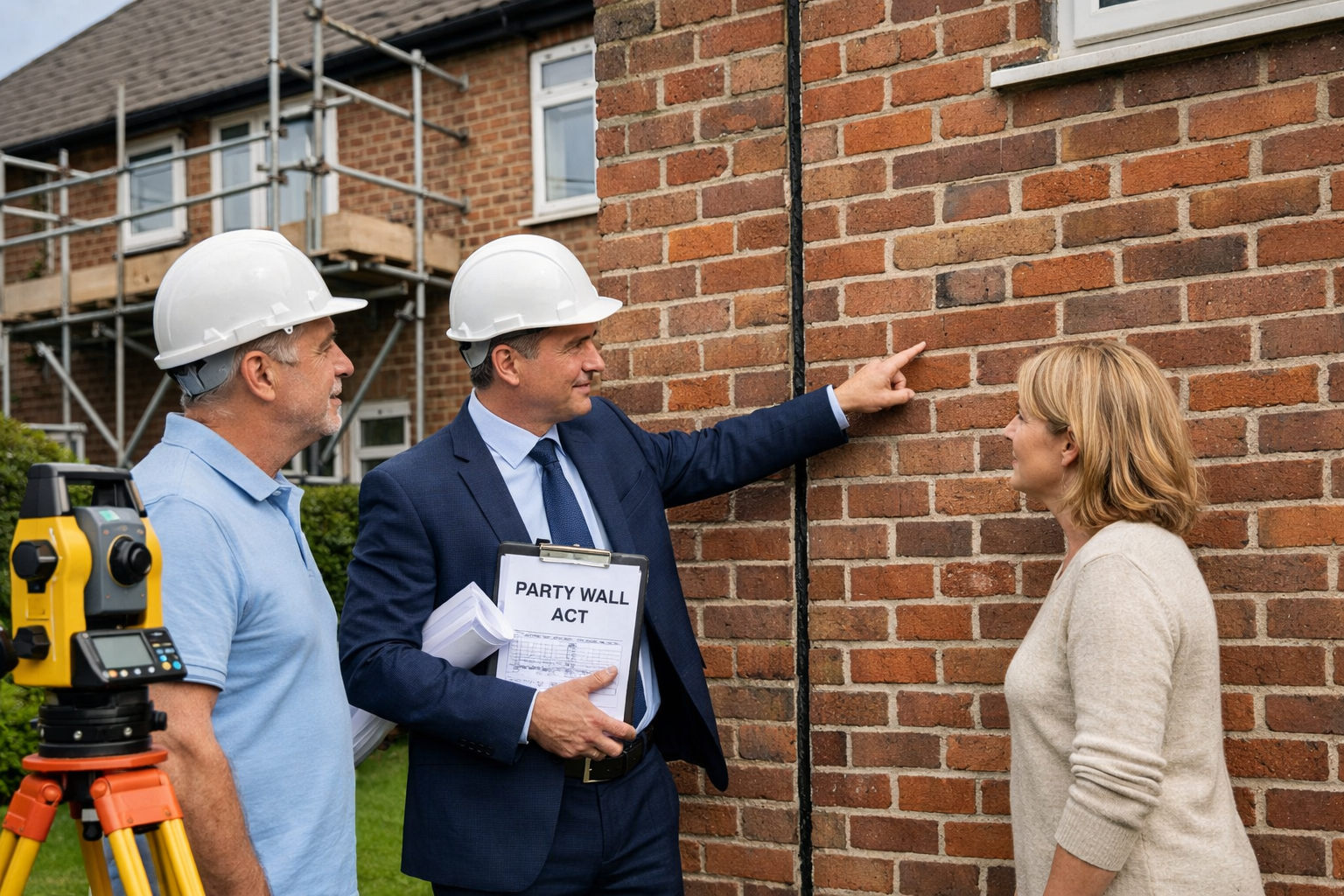
Understanding the financial implications of party wall work is crucial for budgeting your project. The costs associated with a semi detached party wall project extend beyond the construction work itself and include legal, professional, and potential remedial expenses.
Party Wall Surveyor Fees 💰
Agreed Surveyor Costs
When both parties use a single agreed surveyor:
- Typical fees: £700-£1,500 for straightforward projects
- Complex projects: £1,500-£3,000+
- Factors affecting cost: Project complexity, number of visits required, Award preparation time
Two Surveyor Approach
When each party appoints their own surveyor:
- Building owner’s surveyor: £800-£2,000
- Adjoining owner’s surveyor: £800-£2,000
- Third surveyor (if needed): £500-£1,500
- Total potential cost: £2,100-£5,500
Who Pays for What?
The Party Wall Act establishes clear principles for cost allocation:
| Expense Type | Who Pays | Notes |
|---|---|---|
| Building Owner’s Surveyor | Building owner | Always |
| Adjoining Owner’s Surveyor | Building owner | In most cases |
| Party Wall Award Preparation | Building owner | Standard practice |
| Condition Surveys | Building owner | Pre-work documentation |
| Structural Damage Repairs | Building owner | If caused by the work |
| Betterment | Adjoining owner | If they benefit from improvements |
Important Exception: If the adjoining owner requests unnecessary work or makes unreasonable demands, they may be required to pay their own surveyor’s additional fees.
Construction and Remedial Costs 🏗️
Budget Considerations
Beyond surveyor fees, factor in:
Temporary Works – Props, supports, and protective measures during construction: £500-£3,000
Access Costs – If scaffolding or equipment needs to be placed on the neighbor’s property: £200-£1,000
Protective Measures – Dust sheets, protective boarding, monitoring equipment: £300-£800
Remedial Work – Repairing any damage caused to the neighbor’s property: Variable, but should be covered in your contingency
Insurance Considerations 🛡️
Builder’s Insurance
Ensure your contractor has:
- Public liability insurance (minimum £5 million)
- Employer’s liability insurance
- Professional indemnity insurance
Your Home Insurance 🏠
Notify your insurer about:
- The planned building work
- Party wall procedures being followed
- Any temporary increase in risk during construction
Failure to notify insurers can void coverage if problems arise.
Hidden Costs to Consider
Unexpected Structural Issues 🔍
Party wall work sometimes reveals:
- Previously unknown structural defects
- Damp or rot requiring treatment
- Inadequate foundations needing reinforcement
- Non-compliant historical alterations
Budget Recommendation: Add 15-20% contingency to your project budget for unexpected party wall-related issues.
Delay Costs ⏱️
If party wall procedures aren’t followed correctly:
- Work stoppages while issues are resolved
- Additional surveyor fees for dispute resolution
- Contractor standing time charges
- Extended equipment hire costs
Cost-Saving Strategies
Early Surveyor Involvement ✅
Appointing a surveyor early can:
- Identify potential issues before they become expensive problems
- Streamline the notice process
- Reduce the likelihood of disputes
- Provide accurate cost estimates for budgeting
Agreed Surveyor Approach 💡
When relationships are good, using an agreed surveyor rather than two separate surveyors can save £1,000-£3,000.
Clear Communication 📞
Maintaining good neighbor relations and clear communication can:
- Reduce the likelihood of formal disputes
- Speed up the consent process
- Minimize surveyor involvement time
- Prevent costly delays
Professional Project Management 📊
Working with experienced professionals who understand party wall procedures prevents costly mistakes. Services like dilapidation surveys can document property conditions comprehensively, protecting all parties.
Tax and Valuation Implications
Capital Gains Tax Considerations 📈
Significant improvements to your semi-detached property may affect:
- Your property’s market value
- Future capital gains tax calculations
- Enhancement expenditure allowances
Consider obtaining a valuation for capital gains tax purposes to document the property’s value before and after major works.
Reinstatement Value 🏚️
Major party wall work may change your property’s reinstatement value for insurance purposes. An insurance reinstatement valuation ensures adequate coverage.
Common Disputes and How to Resolve Them
Despite best intentions, disputes can arise during semi detached party wall projects. Understanding common conflict points and resolution mechanisms helps homeowners navigate these challenges effectively.
Typical Sources of Party Wall Disputes
1. Structural Damage Claims 🏚️
The most common disputes involve:
- Cracks appearing in the neighbor’s property during or after work
- Settlement or movement of the adjoining property
- Damage to decorative finishes
- Disruption to services (plumbing, electrical, heating)
Prevention Strategy: Comprehensive condition surveys before work begins provide baseline documentation. Photograph everything, including minor existing cracks, to distinguish pre-existing conditions from work-related damage.
2. Access Disputes 🚧
Conflicts often arise over:
- Frequency and timing of contractor access to the neighbor’s property
- Scaffolding placement and duration
- Disruption to the neighbor’s use of their property
- Security concerns about access
Prevention Strategy: The Party Wall Award should specify exact access requirements, times, and notice periods. Clear scheduling and advance communication minimize friction.
3. Noise and Disruption Complaints 🔊
Common grievances include:
- Work starting too early or finishing too late
- Excessive noise from machinery or construction
- Dust and debris affecting the neighbor’s property
- Prolonged project timelines
Prevention Strategy: Establish clear working hours in the Award, use dust suppression measures, and maintain realistic timelines with buffer periods for unexpected delays.
4. Scope of Work Disagreements 📋
Disputes can occur when:
- The actual work differs from what was described in the notice
- Additional works become necessary during the project
- The neighbor believes the work exceeds what was agreed
- Changes are made without proper notification
Prevention Strategy: Any variations to the original plan should be documented and, if significant, may require a revised notice or Award amendment.
The Dispute Resolution Hierarchy
Level 1: Direct Negotiation 🤝
First attempt to resolve issues through:
- Direct conversation with your neighbor
- Mediation by your respective surveyors
- Compromise solutions that address both parties’ concerns
- Written agreements documenting the resolution
Success Rate: Approximately 70-80% of disputes resolve at this level with good faith efforts.
Level 2: Surveyor Intervention 👷
If direct negotiation fails:
- The appointed surveyor(s) investigate the dispute
- They may commission specialist reports (structural engineers, acoustics experts)
- Surveyors issue determinations or revised Awards
- Both parties are bound by the surveyors’ decisions
Level 3: Third Surveyor Determination ⚖️
When two surveyors cannot agree:
- The Third Surveyor (appointed at the start) makes a binding determination
- This is faster and less expensive than court proceedings
- The Third Surveyor’s decision is final on technical matters
Level 4: Court Appeals 🏛️
As a last resort:
- Either party can appeal a surveyor’s Award to the County Court
- Appeals must be filed within 14 days of the Award
- Courts generally only overturn Awards for procedural errors or clear unreasonableness
- Legal costs can be substantial (£5,000-£20,000+)
Important: Courts rarely overturn properly prepared Party Wall Awards, making this an expensive option with uncertain outcomes.
Case Studies: Real-World Dispute Resolutions
Case Study 1: Crack Damage Claim 🔨
Situation: Homeowner A undertook a loft conversion requiring steel beam insertion into the party wall. Three weeks after work completed, Homeowner B noticed cracks in their bedroom ceiling.
Resolution Process:
- Homeowner B contacted their appointed surveyor
- Surveyor compared current condition to pre-work photographs
- Structural engineer determined cracks resulted from beam installation vibrations
- Building owner’s insurance covered repair costs (£2,400)
- Repairs completed within six weeks
Lesson: Comprehensive condition surveys and proper insurance coverage protected both parties.
Case Study 2: Access Dispute 🚪
Situation: Extension project required scaffolding on neighbor’s driveway for eight weeks. Neighbor complained about inability to park and requested compensation.
Resolution Process:
- Original Award specified scaffolding placement but not duration
- Surveyors negotiated a compromise: reduced scaffolding footprint allowing partial parking
- Building owner agreed to cover neighbor’s alternative parking costs (£15/day)
- Project timeline accelerated to reduce scaffolding period to five weeks
Lesson: Detailed Award specifications prevent misunderstandings, but flexibility and compensation can resolve unforeseen impacts.
Preventing Disputes: Best Practices
Before Work Begins ✅
- Serve notices with plenty of lead time (3+ months is ideal)
- Provide detailed, accurate plans and specifications
- Commission thorough condition surveys with extensive photography
- Establish clear communication channels
- Set realistic timelines with contingency periods
During Construction 🏗️
- Stick to agreed working hours
- Provide regular updates to neighbors
- Address concerns immediately, not after they escalate
- Keep the site tidy and minimize disruption
- Document everything with photos and written records
After Completion 🎉
- Conduct final condition surveys comparing to pre-work state
- Address any damage promptly and professionally
- Obtain written confirmation from the neighbor that they’re satisfied
- Maintain records for at least six years (limitation period for claims)
When Professional Help Is Essential
Certain situations demand expert involvement:
Complex Structural Work – Projects involving significant underpinning, major structural alterations, or work on older properties with uncertain construction methods benefit from expert witness services if disputes arise.
High-Value Properties – When property values are substantial, professional valuations and comprehensive documentation protect significant investments.
Commercial Elements – If either property has commercial use, additional considerations apply, and specialist advice is crucial.
Pre-Existing Tensions – If neighbor relations are already strained, early professional surveyor involvement can depersonalize the process and prevent escalation.
Maintaining Your Semi Detached Party Wall: Long-Term Responsibilities
Ownership of a semi detached party wall comes with ongoing maintenance obligations that extend far beyond any building projects. Understanding these long-term responsibilities helps preserve property value and maintain good neighborly relations.
Shared Maintenance Obligations
Structural Repairs 🔧
Both property owners share responsibility for:
- Foundation maintenance: Addressing subsidence, settlement, or drainage issues affecting the party wall
- Damp proofing: Maintaining effective damp proof courses and treating rising or penetrating damp
- Structural integrity: Repairing cracks, bulges, or other structural defects
- Weather protection: Maintaining external rendering, pointing, and weatherproofing where the party wall forms an external surface
Cost Sharing Principle: Repair costs are typically split equally unless one party’s actions caused the damage or one party derives greater benefit from the repairs.
Common Maintenance Issues
Damp and Water Penetration 💧
Party walls are particularly vulnerable to:
- Rising damp from failed damp proof courses
- Penetrating damp where the wall meets roofs or external walls
- Condensation from inadequate ventilation
- Leaks from plumbing or roof defects
Early Detection: Regular inspections can identify damp issues before they cause serious structural damage or health hazards.
Chimney Maintenance 🔥
For properties with chimneys on the party wall:
- Flashing repairs: Where chimney stacks meet roof surfaces
- Repointing: Maintaining mortar joints on exposed brickwork
- Capping: Ensuring chimney pots and cowls are secure and weatherproof
- Structural repairs: Addressing leaning or unstable chimney stacks
Neglected chimneys can cause water penetration affecting both properties and pose collapse risks.
Roof Junction Issues 🏠
Where the party wall meets the roof structure:
- Lead flashing deterioration allowing water ingress
- Tile or slate damage at the party wall junction
- Gutter overflow causing damp penetration into the party wall
- Roof spread putting lateral pressure on the party wall
Inspection and Monitoring Schedule
Annual Checks 📅
Homeowners should inspect:
- External condition of the party wall (where visible)
- Internal surfaces for new cracks, damp patches, or staining
- Roof junctions and flashing
- Chimney stacks and pots
- Guttering and drainage near the party wall
Five-Year Detailed Inspection 🔍
Every five years, consider:
- Professional structural survey focusing on the party wall
- Damp testing and moisture meter readings
- Inspection of hidden areas (roof spaces, under floors)
- Review of any previous repair work
After Significant Events ⚠️
Inspect the party wall after:
- Earthquakes or ground tremors (even minor ones)
- Severe weather events (high winds, heavy rain, flooding)
- Nearby construction or excavation work
- Subsidence or settlement in the area
Coordinating Repairs with Your Neighbor
Communication Protocols 📞
When maintenance issues arise:
- Identify the problem: Document with photographs and descriptions
- Notify your neighbor: Share your findings and concerns
- Agree on action: Discuss whether professional assessment is needed
- Obtain quotes: Get estimates from qualified contractors
- Share costs: Agree on cost allocation before work begins
- Document everything: Keep written records of agreements and expenses
Dispute Prevention: Clear communication and written agreements prevent misunderstandings about who pays for what.
Insurance Considerations for Ongoing Maintenance
Buildings Insurance Coverage 🛡️
Standard policies typically cover:
- Sudden damage: From storms, floods, or impact
- Subsidence: Subject to excess and terms
- Accidental damage: Depending on policy level
Not usually covered:
- Gradual deterioration: Wear and tear from aging
- Lack of maintenance: Damage from neglected repairs
- Betterment: Improvements beyond simple repair
Shared Wall Complications: When damage affects both properties, coordinating insurance claims can be complex. Each owner typically claims on their own policy, but determining liability may require surveyor input.
Preventative Maintenance Strategies
Proactive Measures ✅
Reduce long-term costs through:
Regular repointing: Maintaining mortar joints prevents water ingress (every 20-30 years typically)
Gutter maintenance: Clean gutters twice yearly to prevent overflow and damp
Ventilation: Ensure adequate ventilation in roof spaces and rooms adjacent to the party wall
Heating: Maintain consistent heating to prevent condensation and damp
Tree management: Keep trees at safe distances (typically 1.5x their mature height) to prevent root damage
Upgrading Your Party Wall
Sound Insulation Improvements 🔇
Many older semi-detached properties have inadequate sound insulation. Improvements might include:
- Adding acoustic insulation to the party wall cavity
- Installing independent stud walls with sound-absorbing materials
- Upgrading floors and ceilings at the party wall junction
Party Wall Act Requirements: Significant sound insulation work may require party wall notices, even though it benefits both properties.
Fire Safety Upgrades 🔥
Building regulations evolve, and older party walls may not meet current fire resistance standards. Upgrades might involve:
- Fire-resistant boarding on wall surfaces
- Fire-stopping at floor and ceiling junctions
- Upgrading loft hatches and access points
Shared Benefits: When upgrades benefit both properties, cost sharing negotiations should reflect the mutual advantages.
Record Keeping for Future Reference
Essential Documentation 📁
Maintain comprehensive records including:
- Original property deeds showing party wall ownership
- All party wall notices and Awards from any building work
- Condition surveys and photographs
- Repair invoices and guarantees for work on the party wall
- Correspondence with neighbors about party wall matters
- Insurance claims related to the party wall
- Professional reports (structural surveys, damp reports, etc.)
Value for Future Sales: Comprehensive party wall documentation reassures potential buyers and can add value to your property. Professional valuation services often consider the condition and documentation of party walls when assessing property value.
Succession Planning: If you’re passing property to family members or dealing with probate valuations, clear party wall records simplify the process and prevent future disputes.
Conclusion: Navigating Semi Detached Party Wall Matters Successfully
Understanding your semi detached party wall rights, responsibilities, and obligations is essential for any homeowner planning building work or simply maintaining their property. While the Party Wall Act 1996 may seem complex, it provides a robust framework that protects both property owners and ensures building work proceeds safely and legally.
Key Success Factors
Early Planning 🎯 – Begin party wall procedures at least three months before your intended start date, allowing time for notices, responses, and Award preparation without delaying your project.
Professional Guidance 👷 – Engaging qualified party wall surveyors from the outset prevents costly mistakes and provides expert navigation through legal requirements. The investment in professional fees is minimal compared to the costs of disputes or non-compliant work.
Clear Communication 💬 – Maintaining open, honest dialogue with neighbors throughout the process builds goodwill and often prevents minor concerns from escalating into formal disputes.
Comprehensive Documentation 📸 – Thorough condition surveys, photographs, and written records protect all parties by establishing clear baselines and tracking any changes resulting from building work.
Realistic Budgeting 💰 – Factor in all party wall costs—surveyor fees, potential remedial work, and contingencies—from the beginning to avoid financial surprises mid-project.
Your Next Steps
If you’re planning work affecting your semi-detached party wall:
- Review your plans with a qualified surveyor to determine party wall requirements
- Engage professional surveyors experienced in party wall matters
- Prepare detailed documentation including plans, specifications, and timelines
- Communicate with neighbors informally before serving formal notices
- Serve notices with adequate lead time (minimum 2 months, ideally 3+)
- Obtain proper insurance covering party wall work and potential claims
- Document everything through photographs and written records
For property owners in Manchester and surrounding areas, professional surveying services provide expert guidance through every stage of the party wall process, from initial planning through project completion.
Final Thoughts
The semi detached party wall represents both a physical connection between properties and a legal relationship between neighbors. Approaching party wall matters with knowledge, professionalism, and respect for your neighbor’s rights ensures that building projects proceed smoothly while preserving property values and neighborly relations.
Whether you’re planning a major extension, a loft conversion, or simply maintaining your property, understanding party wall law empowers you to protect your interests while fulfilling your legal obligations. With proper planning, professional guidance, and clear communication, party wall procedures become a manageable aspect of property ownership rather than a daunting obstacle.
Remember that party wall legislation exists to protect everyone involved—building owners, adjoining owners, and the structural integrity of both properties. By embracing these protections rather than viewing them as bureaucratic hurdles, homeowners can undertake building projects with confidence, knowing that all parties’ interests are safeguarded.
For specific advice tailored to your circumstances, contact experienced chartered surveyors who can assess your situation and provide personalized guidance through the party wall process.