The landscape of property purchasing in the UK is undergoing its most significant transformation in decades. As homebuyers navigate an increasingly complex market in 2026, the RICS Home Survey Reforms 2026: Impacts on Building and Valuation Practices for Homebuyers represent a watershed moment for consumer protection and professional standards. With the UK government's announcement of mandatory upfront surveys in October 2025 and RICS's comprehensive review of its Home Survey Standard now in its final analysis phase, both property professionals and homebuyers face substantial changes that promise to reshape how residential transactions are conducted[2][5].
The convergence of government-mandated reforms and updated professional standards creates an unprecedented opportunity to address long-standing issues in the homebuying process—from reducing transaction fall-throughs to providing clearer, more accessible information to consumers. Understanding these changes is essential for anyone involved in property transactions.
Key Takeaways
🏠 Three-Tier System Simplified: RICS has renamed survey levels to 'basic,' 'intermediate,' and 'advanced' to help homebuyers better understand their options and select appropriate inspection depth[4].
📋 Mandatory Upfront Surveys Coming: UK government reforms announced in October 2025 will require sellers to commission surveys before marketing properties, fundamentally changing traditional transaction workflows[5].
⏱️ 24-Month Implementation Period: RICS has requested a minimum two-year timeframe to build capacity, develop standards, and create clear guidance before reforms take full effect[3].
🔍 Enhanced Consumer Protection: Updated standards integrate technological advances, ESG factors, and clearer distinction between mandatory requirements and recommended practices based on feedback from 325+ professionals and 1,400+ homebuyers[1][2].
⚡ Surveyor Practice Transformation: Building surveyors must adapt daily workflows to accommodate new requirements, technological integration, and increased demand from mandatory survey policies[4].
Understanding the RICS Home Survey Reforms 2026: What's Changing
The Consultation Process and Timeline
The RICS Home Survey Reforms 2026: Impacts on Building and Valuation Practices for Homebuyers emerged from an extensive consultation programme that captured insights from multiple stakeholder groups. RICS received over 1,000 detailed comments from professionals and consumers, which the organization is now reviewing line by line to revise the standard accordingly[2].
This comprehensive research included:
- Member surveys assessing the effectiveness of current standards
- UK-wide consumer survey capturing public views and expectations
- Feedback from 325+ RICS professionals on technical requirements
- Input from 1,400+ homeowners on clarity and accessibility[1]
The consultation revealed consistent themes: homebuyers want clearer, more concise information that helps them make informed decisions, while professionals need unambiguous guidance distinguishing mandatory requirements ('musts') from recommended practices ('shoulds')[2].
RICS has committed to providing a progress update by the end of March 2026, with the updated standard subject to review and approval by the Knowledge and Practice Committee and the Standards and Regulation Board following consultation analysis[1][2].
Three Survey Levels Renamed for Consumer Clarity
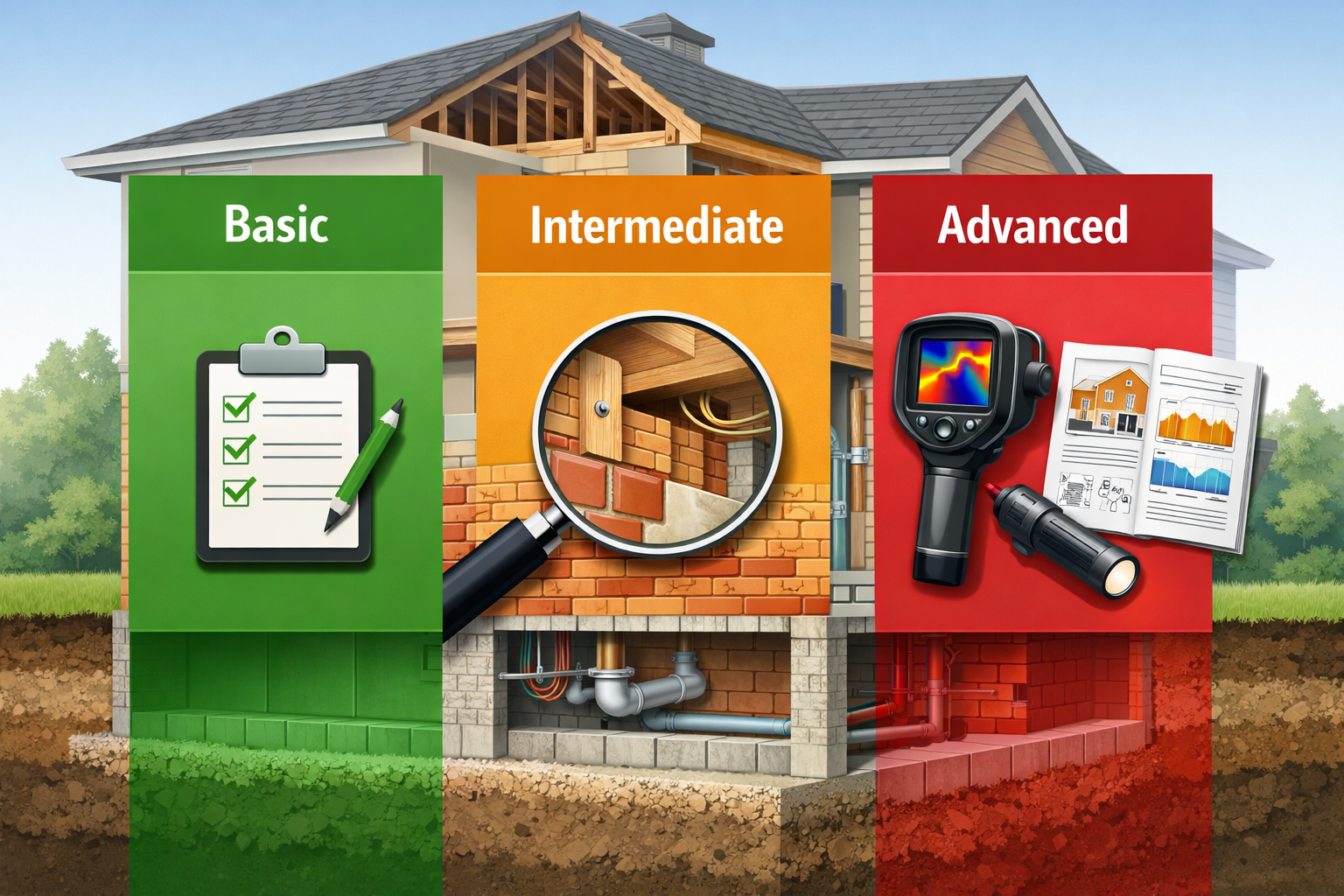
One of the most significant changes in the RICS Home Survey Reforms 2026 is the renaming of the three survey levels to improve consumer understanding. The updated framework now describes surveys as:
| Previous Terminology | New Terminology | Suitable For |
|---|---|---|
| RICS Condition Report (Level 1) | Basic Survey | Newer properties in good condition, budget-conscious buyers |
| RICS HomeBuyer Report (Level 2) | Intermediate Survey | Standard properties, most common choice for typical homes |
| RICS Building Survey (Level 3) | Advanced Survey | Older properties, unusual construction, extensive alterations planned |
This simplified nomenclature addresses a long-standing issue where homebuyers struggled to differentiate between survey types. The new terminology clearly communicates the depth of inspection each level provides, helping consumers select the appropriate service for their circumstances[4].
Each level features differentiated inspection requirements, with more comprehensive examinations at higher levels. For those considering different survey options, our guide on comparing different types of survey provides detailed comparisons.
Integration of Technology and ESG Factors
The updated standards reflect significant technological changes in how surveys are conducted and reported. Feedback from members and RICS Regulation highlighted the need to strengthen requirements around:
- Digital reporting platforms for enhanced accessibility
- Thermal imaging and moisture detection technologies
- Drone surveys for roof and chimney inspections
- Building Information Modeling (BIM) integration
- Environmental, Social, and Governance (ESG) factors in valuation advice[2][4]
The integration of ESG considerations represents a forward-thinking approach, ensuring that property valuations reflect sustainability, energy efficiency, and environmental impact—factors increasingly important to homebuyers and mortgage lenders alike[2].
For properties requiring specialized inspection technology, drone surveys offer comprehensive assessment of hard-to-reach areas.
Government Reforms and the RICS Home Survey Reforms 2026: Impacts on Building and Valuation Practices
Mandatory Upfront Surveys: The Game-Changer
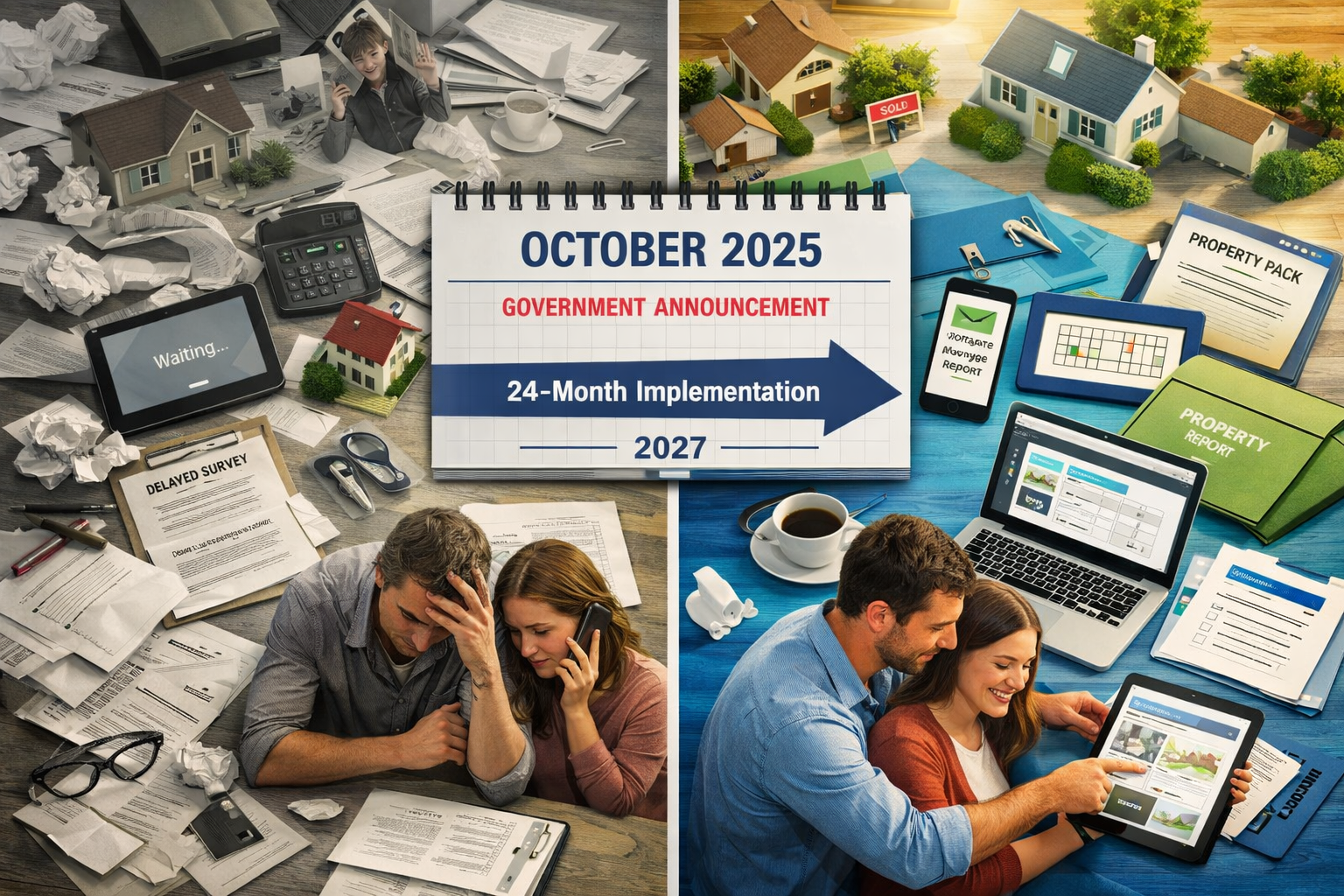
On October 6, 2025, the UK government announced comprehensive home-buying reforms that include mandatory upfront surveys as part of modernizing the property transaction process[5]. This policy shift represents the most significant change to homebuying procedures in generations.
Under the proposed reforms:
✅ Sellers must commission surveys before marketing their property
✅ Survey reports provided to prospective buyers at the outset
✅ Reduced transaction fall-throughs from unexpected survey findings
✅ Greater transparency in property condition information
✅ Faster completion times with upfront due diligence
This transformation addresses a critical pain point in UK property transactions: the current system where buyers commission surveys after making offers often leads to renegotiations, delays, or collapsed sales when issues are discovered late in the process.
The 24-Month Implementation Challenge
Recognizing the magnitude of these changes, RICS has stressed to government that a minimum 24-month implementation period is essential[3]. This timeframe allows for:
- Capacity building across the surveying profession
- Standards development and refinement
- Clear guidance creation for practitioners
- Training programmes for new requirements
- Technology infrastructure deployment
The implementation period acknowledges that the surveying profession must significantly scale up to handle the increased demand created by mandatory surveys. Currently, many homebuyers proceed without commissioning surveys due to cost concerns or tight timelines—mandatory upfront surveys will require every marketed property to have a professional assessment.
For buyers wondering which survey they need, the new framework will provide clearer guidance aligned with property characteristics.
Impact on Transaction Workflows
The RICS Home Survey Reforms 2026: Impacts on Building and Valuation Practices for Homebuyers fundamentally alter traditional transaction sequences:
Traditional Process:
- Property marketed
- Buyer views and makes offer
- Offer accepted
- Buyer commissions survey
- Survey reveals issues
- Renegotiation or withdrawal
Reformed Process:
- Seller commissions survey
- Property marketed with survey report
- Buyer reviews survey before viewing
- Informed offer made
- Faster progression to completion
This shift places the survey at the beginning rather than the middle of the transaction, enabling buyers to make informed decisions before committing financially and emotionally to a property.
Practical Implications for Building Surveyors and Valuation Professionals
Adapting Daily Practice to New Requirements
RICS acknowledges that proposed updates will require residential surveyors carrying out home surveys to adapt their daily practice[4]. The organization emphasizes the importance of professionals carefully reviewing consultation documents to provide informed feedback and prepare for implementation.
Key adaptations include:
🔧 Technical Competency Updates
- Mastering new reporting templates and formats
- Integrating ESG assessment methodologies
- Utilizing advanced inspection technologies
- Understanding updated mandatory vs. recommended requirements
📊 Workflow Modifications
- Adjusting scheduling to accommodate increased demand
- Implementing quality control for standardized reporting
- Coordinating with sellers rather than buyers as primary clients
- Managing expectations around turnaround times
💼 Business Model Adjustments
- Pricing strategies for seller-commissioned surveys
- Marketing approaches targeting property sellers
- Capacity planning for mandatory survey environment
- Technology investment in digital platforms
Surveyors specializing in residential work should familiarize themselves with RICS building surveys best practices to ensure compliance with updated standards.
Enhanced Consumer Protection Through Clarity
A consistent theme from consultation feedback is that the current draft needs to be clearer and more concise in its requirements[2]. The updated standard addresses this through:
- Plain language reporting avoiding unnecessary technical jargon
- Visual aids and photographs supporting written descriptions
- Clear risk categorization using traffic light systems
- Actionable recommendations with priority levels
- Cost guidance for identified repairs and maintenance
This focus on clarity directly benefits homebuyers, who often struggle to interpret technical survey reports. By making reports more accessible, the reforms empower consumers to make better-informed decisions about property purchases.
For homebuyers questioning whether a mortgage valuation is the same as a survey, the reformed standards will provide clearer distinctions.
Valuation Practice Considerations
The integration of ESG factors and technological changes extends to valuation practices. Chartered surveyors conducting RICS valuations must now consider:
Environmental Factors:
- Energy Performance Certificate (EPC) ratings
- Renewable energy installations
- Flood risk and climate resilience
- Sustainable construction materials
Social Factors:
- Community amenities and accessibility
- Building safety compliance
- Health and wellbeing features
- Inclusive design elements
Governance Factors:
- Building regulation compliance
- Cladding and fire safety certifications
- Leasehold management quality
- Legal compliance documentation
These considerations reflect how property values increasingly depend on sustainability and regulatory compliance, not just traditional location and condition factors.
Market Context: UK Residential Property in 2026
Signs of Market Recovery
According to the latest RICS UK Residential Market Survey for January 2026, the market is showing "tentative signs that it may be turning a corner," with confidence returning and expectations for sales and prices turning "decisively more positive"[2].
This recovery context is significant for the RICS Home Survey Reforms 2026: Impacts on Building and Valuation Practices for Homebuyers because:
📈 Increased Transaction Volume creates greater demand for survey services
💡 Buyer Confidence supports acceptance of upfront survey costs
🏘️ Market Stability enables smoother implementation of new processes
💰 Price Certainty reduces renegotiation friction from survey findings
The timing of these reforms during a market recovery phase may facilitate smoother adoption than implementation during a downturn, when cost sensitivity and transaction volumes might create resistance.
Capacity Challenges and Opportunities
The mandatory upfront survey requirement creates both challenges and opportunities for the surveying profession:
Challenges:
- ⚠️ Potential surveyor shortage in short term
- ⚠️ Increased workload and scheduling pressures
- ⚠️ Quality maintenance under volume demands
- ⚠️ Technology adoption learning curves
Opportunities:
- ✅ Increased demand for qualified professionals
- ✅ Career growth for aspiring surveyors
- ✅ Innovation in survey delivery methods
- ✅ Enhanced professional recognition and value
For property buyers seeking qualified professionals, choosing an RICS chartered building surveyor ensures adherence to updated standards and professional competency.
Separate Regulatory Scheme Under Consideration
Home Survey Regulation Consultation
Parallel to the Home Survey Standard update, RICS has launched a separate consultation exploring interest in developing a home survey regulation scheme[1]. This initiative aims to:
- Further support public trust in survey services
- Enhance professional consistency across the market
- Establish accountability mechanisms for quality assurance
- Create dispute resolution frameworks for consumer protection
The regulation scheme consultation represents RICS's commitment to not only updating technical standards but also strengthening the governance framework surrounding residential survey practice.
Implications for Professional Standards
If implemented, a dedicated regulation scheme would establish:
- Registration requirements for practitioners
- Continuing Professional Development (CPD) mandates
- Quality assurance audits and peer review
- Consumer complaint mechanisms with enforcement powers
- Sanctions for non-compliance protecting public interest
This regulatory layer would complement the updated Home Survey Standard, creating a comprehensive framework ensuring both technical competency and professional accountability.
Preparing for the RICS Home Survey Reforms 2026: Impacts on Building and Valuation Practices for Homebuyers
For Homebuyers: What to Expect
As these reforms take effect, homebuyers should anticipate:
📋 More Information Upfront
Properties will come to market with comprehensive survey reports already available, enabling informed decisions before viewings or offers.
💷 Cost Structure Changes
While sellers will commission initial surveys, these costs may be factored into asking prices. However, buyers avoid duplicating surveys and reduce risks of post-offer surprises.
⏰ Faster Transactions
With surveys completed upfront, the period between offer acceptance and completion should shorten significantly, reducing uncertainty and stress.
🔍 Better Comparability
Standardized reporting under the updated framework makes it easier to compare properties based on condition and required maintenance.
For those considering different property types, understanding whether you need a RICS HomeBuyer Survey Level 2 or more comprehensive assessment will be clearer under the reformed system.
For Property Sellers: New Responsibilities
Sellers face new obligations under mandatory upfront survey requirements:
✅ Commission Survey Before Marketing
Engage a qualified RICS surveyor to conduct appropriate level survey before listing the property.
✅ Provide Survey to Prospective Buyers
Make survey reports available to all serious prospective purchasers during the marketing period.
✅ Address Identified Issues
Decide whether to remedy defects before marketing or price accordingly with full disclosure.
✅ Update Information
If significant changes occur between survey and sale, update documentation appropriately.
These responsibilities shift some costs and effort to sellers but should result in faster, more certain transactions with fewer fall-throughs.
For Surveyors: Professional Development Priorities
Building surveyors should prioritize:
- Standards Familiarization: Thoroughly review updated Home Survey Standard requirements
- Technology Investment: Adopt digital reporting platforms and inspection technologies
- ESG Training: Develop competency in environmental and sustainability assessment
- Capacity Planning: Prepare for increased demand through staffing or partnerships
- Client Relationship Management: Adapt to seller-focused service delivery models
Professionals offering RICS home surveys should ensure their practices align with the latest standards and technological expectations.
Frequently Asked Questions

When will the updated RICS Home Survey Standard be finalized?
RICS is currently reviewing over 1,000 consultation comments line by line, with a progress update promised by the end of March 2026. Final approval will follow review by the Knowledge and Practice Committee and Standards and Regulation Board[2].
How long before mandatory upfront surveys become law?
RICS has requested a minimum 24-month implementation period from the government's October 2025 announcement, suggesting full implementation by late 2027 or early 2028, though official timelines have not been confirmed[3].
Will survey costs increase under the new system?
While individual survey costs may remain similar, the shift to seller-commissioned surveys changes who pays initially. Market dynamics will determine whether these costs are absorbed by sellers or reflected in property prices.
What happens to surveys commissioned under old standards?
Existing surveys remain valid for their original purpose. However, as new standards take effect, updated surveys will provide enhanced information and consumer protection aligned with current best practices.
Can buyers still commission their own surveys?
Yes, buyers retain the right to commission additional surveys if they want more detailed or specialized assessments beyond the seller-provided report, such as specific defect surveys for particular concerns.
Conclusion
The RICS Home Survey Reforms 2026: Impacts on Building and Valuation Practices for Homebuyers represent a transformative moment for UK property transactions. By combining updated professional standards with government-mandated upfront surveys, these reforms promise to deliver enhanced consumer protection, greater transaction certainty, and improved market efficiency.
The simplified three-tier survey nomenclature—basic, intermediate, and advanced—makes it easier for homebuyers to select appropriate inspection levels. Integration of technological advances and ESG factors ensures surveys remain relevant in an evolving property landscape. Meanwhile, the emphasis on clarity and conciseness in reporting directly addresses consumer feedback about accessibility.
For building surveyors and valuation professionals, these changes require significant adaptation in daily practice, from mastering new technologies to adjusting business models for seller-commissioned work. The requested 24-month implementation period acknowledges these challenges while providing time to build necessary capacity.
As the UK residential market shows tentative signs of recovery, the timing of these reforms offers an opportunity to establish new standards during a period of renewed confidence. The parallel consultation on a dedicated regulation scheme further demonstrates RICS's commitment to comprehensive improvement in professional standards and consumer protection.
Next Steps
For Homebuyers:
- Stay informed about implementation timelines
- Understand the three survey levels and which suits your property
- Review seller-provided surveys carefully before making offers
- Consider engaging structural surveys for older or complex properties
For Property Sellers:
- Prepare for upfront survey requirements
- Budget for pre-marketing survey costs
- Consider addressing identified defects before listing
- Work with qualified RICS professionals
For Surveyors:
- Engage with ongoing RICS consultations
- Invest in technology and training
- Plan capacity expansion strategies
- Adapt marketing to seller-focused services
The convergence of regulatory reform and professional standard updates creates unprecedented change in how property transactions are conducted. Those who prepare proactively will be best positioned to navigate this new landscape successfully, whether as informed consumers or adaptable professionals.