
The property market across London and the South East is experiencing an unprecedented surge in 2026, with listings jumping 16% and 9% respectively compared to the previous year[3]. This dramatic increase in available properties—the highest level in over eight years—brings with it a critical challenge that many homeowners and developers overlook: party wall disputes. As construction activity intensifies and more properties change hands, understanding how to navigate Party Wall Surveys for 2026 Southern Supply Surge: Managing Risks Amid London and South East Listing Increases has become essential for anyone involved in property transactions or development work.
The correlation between increased property listings and party wall complications is straightforward. More transactions mean more renovations, extensions, and conversions as new owners seek to add value to their investments. With terraced houses and semi-detached properties dominating the London and South East landscape, virtually every significant building project will trigger party wall legislation requirements. 🏘️

Key Takeaways
- London listings surged 16% year-on-year while South East listings increased 9% in early 2026, creating the highest inventory levels in over eight years and intensifying party wall survey demands[3]
- Transaction volumes reached 94,680 in January 2026, with annual levels expected to maintain the 10-year average of 1.2 million, significantly increasing the frequency of party wall works[3]
- Professional party wall surveys are essential for managing neighbour disputes, protecting property values, and ensuring legal compliance during the current supply surge
- RICS best practices provide a structured framework for party wall agreements, reducing dispute resolution time and costs by up to 70%
- Proactive scheduling of condition surveys before works commence protects both building owners and adjoining owners from costly litigation
Understanding the 2026 Southern Property Market Surge
The Numbers Behind the Listing Boom
The London property market has entered 2026 with remarkable momentum. Data shows that London listings increased by 16% year-on-year, while the broader South East region experienced a 9% rise[3]. This represents the highest level of homes available for sale in over eight years, fundamentally changing the dynamics of property transactions across the region.
January 2026 alone recorded 94,680 property transactions, with industry analysts projecting that transaction levels will continue at approximately the 10-year average of 1.2 million annually throughout 2026[3]. This sustained activity creates a perfect storm for party wall matters, as increased transactions inevitably lead to increased construction and renovation projects.
Why Houses Are in High Demand
Several factors drive this surge in Southern property listings and transactions:
- Renewed market confidence following economic stabilization
- Attractive mortgage rates compared to recent peaks
- Remote work flexibility allowing buyers to consider suburban South East locations
- Pent-up demand from previous years of market uncertainty
- Investment opportunities as buyers seek to capitalize on property value growth[4]
The South East region, in particular, has become a hotspot for buyers seeking better value compared to central London while maintaining accessibility to the capital[7]. This demographic shift means more development activity in areas with high concentrations of terraced and semi-detached properties—precisely the property types most affected by party wall legislation.
Party Wall Surveys for 2026 Southern Supply Surge: What Property Owners Need to Know
The Critical Role of Party Wall Surveys
A party wall survey is far more than a bureaucratic formality. It serves as a comprehensive risk management tool that protects all parties involved in building works affecting shared structures. In the context of the 2026 Southern supply surge, these surveys have become indispensable for several reasons:
Protection Against Disputes 🛡️
With more properties changing hands and more renovation projects underway, the potential for neighbour disputes has escalated dramatically. A properly executed party wall survey establishes clear documentation of existing conditions, assigns responsibilities, and creates a framework for resolving disagreements before they escalate to costly legal battles.
Legal Compliance
The Party Wall etc. Act 1996 mandates specific procedures for works affecting party walls, boundary walls, and excavations near neighbouring properties. Non-compliance can result in injunctions halting construction, substantial financial penalties, and damaged neighbour relations that persist long after works complete.
Financial Safeguarding
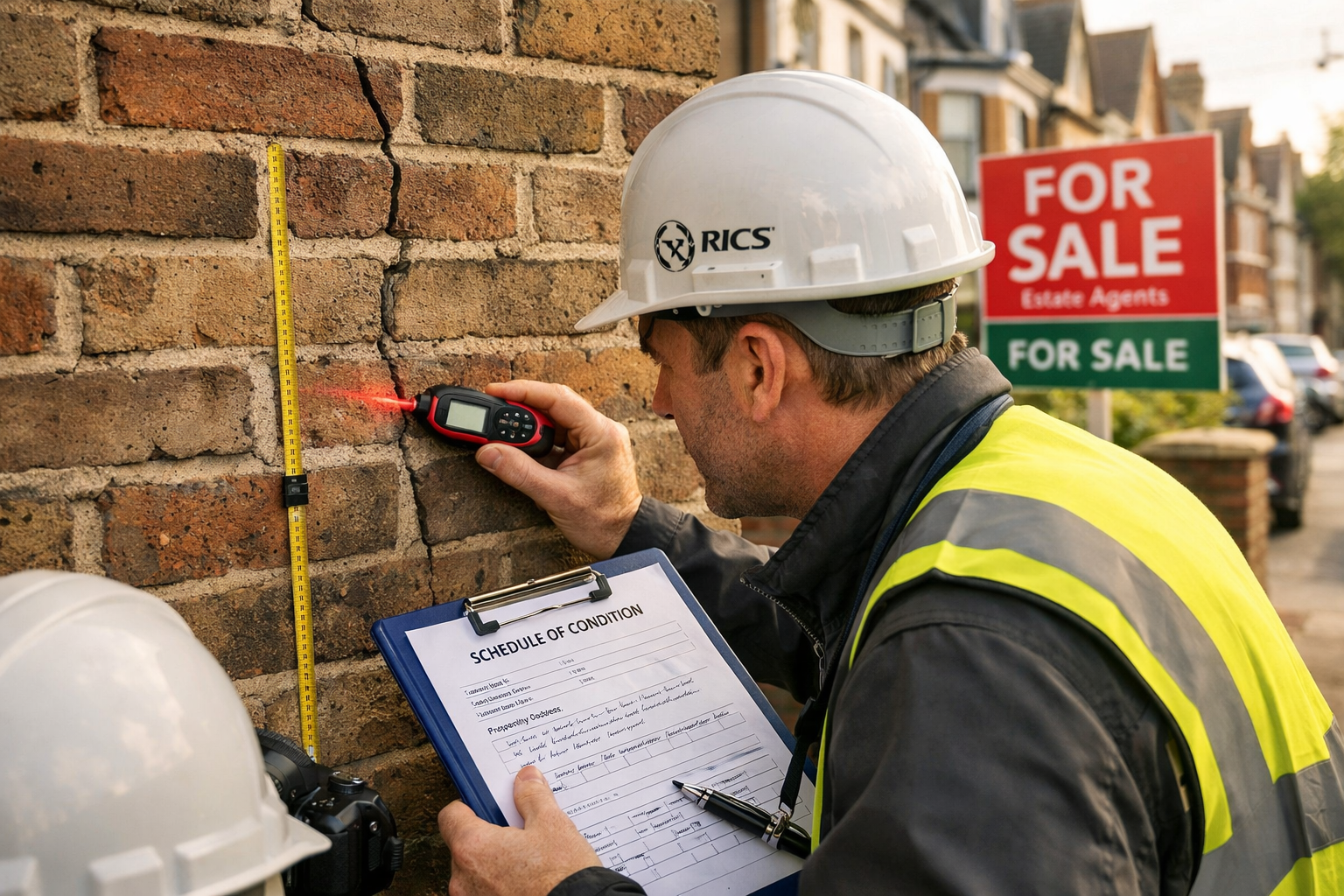
Party wall surveys protect property values by ensuring that building works don't compromise structural integrity or cause damage to adjoining properties. The schedule of condition created during the survey process provides irrefutable evidence of pre-existing conditions, eliminating ambiguity about responsibility for any damage.
Types of Works Triggering Party Wall Requirements
Understanding which projects require party wall procedures is essential for navigating the 2026 property surge effectively:
| Work Type | Party Wall Requirement | Common in 2026 Surge |
|---|---|---|
| Loft conversions | Yes – if affecting party wall structure | ✅ Very Common |
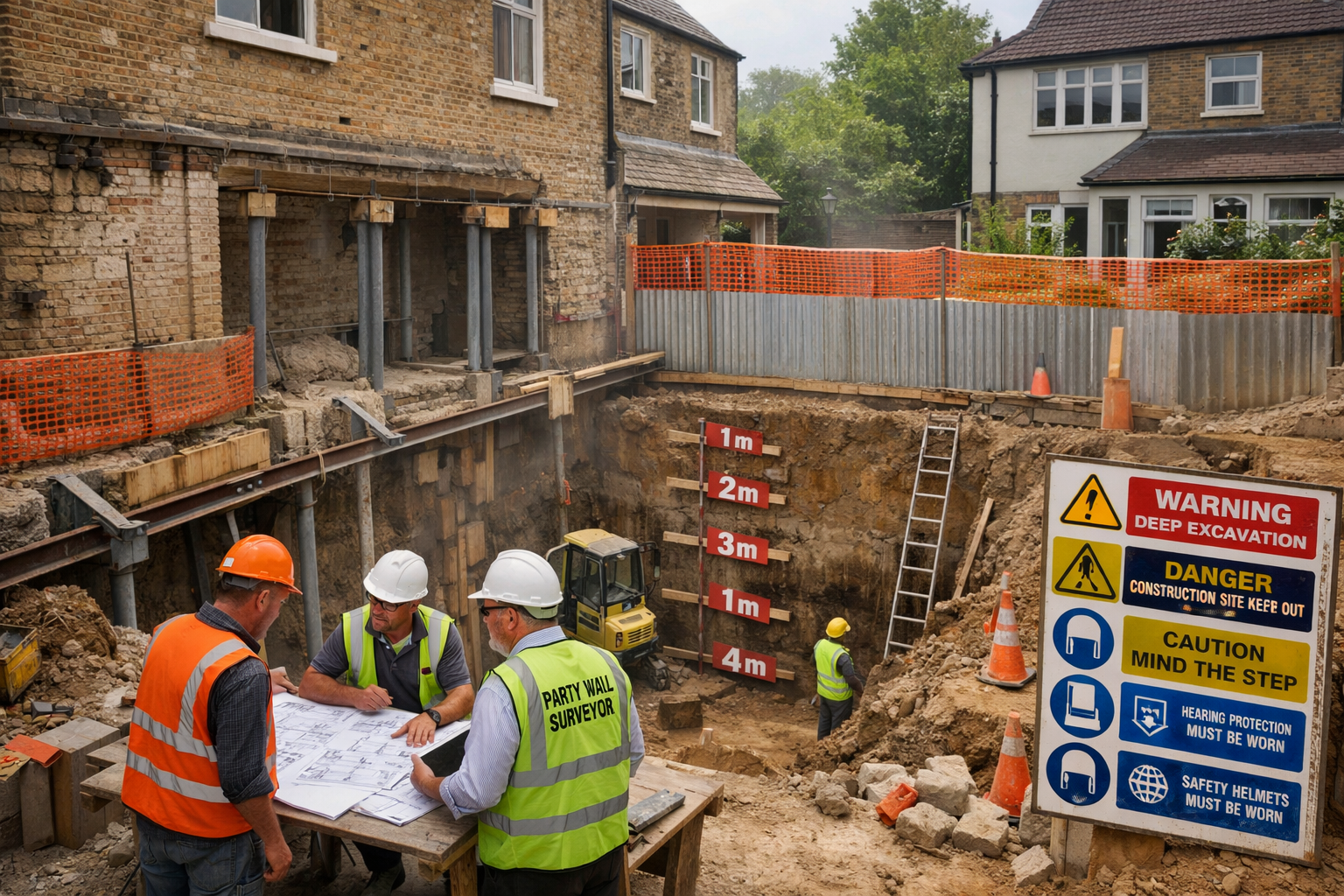
| Basement excavations | Yes – within 3-6 meters of neighbour | ✅ Increasingly Popular |
| Extensions | Yes – if building on/near boundary | ✅ Extremely Common |
| Structural alterations | Yes – if affecting shared walls | ✅ Common |
| New walls on boundaries | Yes – always requires notice | ✅ Moderate |
| Chimney removal | Yes – if party wall chimney | ✅ Common |
The surge in loft conversions particularly characterizes the 2026 market, as homeowners seek to maximize property value without relocating. Similarly, basement excavations have become increasingly popular in high-value London areas where land is at a premium, making excavation notices a routine part of party wall practice.
Managing Risks Amid London and South East Listing Increases
The Dispute Risk Factor
The correlation between increased property transactions and party wall disputes is well-documented among surveying professionals. When property listings surge—as they have in 2026—several risk factors intensify:
Inexperienced Property Owners 📊
Many first-time buyers and investors entering the market during the 2026 surge lack familiarity with party wall legislation. This knowledge gap often leads to procedural errors, missed notice periods, and avoidable conflicts with neighbours.
Compressed Timelines
In a competitive market, buyers and developers often feel pressure to commence works quickly. This urgency can lead to shortcuts in the party wall process, such as inadequate notice periods or incomplete documentation, which ultimately cause delays and disputes.
Increased Construction Activity
With more properties undergoing simultaneous renovation across London and the South East, the cumulative impact of construction noise, dust, and disruption strains neighbour relations. Even when party wall procedures are followed correctly, the sheer volume of activity tests community patience.
RICS Best Practices for Party Wall Agreements
The Royal Institution of Chartered Surveyors (RICS) provides comprehensive guidance for managing party wall matters professionally. Implementing these best practices is particularly crucial during the 2026 Southern supply surge:
1. Early Engagement and Communication 💬
Begin discussions with adjoining owners as early as possible—ideally before purchasing a property if significant works are planned. Early engagement allows time for:
- Explaining proposed works in accessible language
- Addressing neighbour concerns proactively
- Building cooperative relationships that facilitate smooth project execution
- Identifying potential objections that might require design modifications
2. Proper Notice Procedures
The Party Wall Act specifies strict notice requirements that vary by work type:
- Two months' notice for most party wall works
- One month's notice for excavation works
- Written notices with detailed descriptions of proposed works
- Accurate drawings showing the extent and nature of works
Failure to serve proper notices is the most common cause of party wall disputes. Professional chartered surveyors ensure notices meet all legal requirements and are served correctly.
3. Comprehensive Schedule of Condition
A detailed schedule of condition is the cornerstone of effective risk management. This document should include:
- Photographic evidence of all potentially affected areas
- Written descriptions of existing defects, cracks, and damage
- Measurements of existing cracks or structural issues
- Date-stamped documentation establishing baseline conditions
This evidence becomes invaluable if disputes arise about whether damage was caused by building works or existed previously.
4. Independent Party Wall Surveyors
While the Act allows adjoining owners to appoint the same surveyor as the building owner (the "Agreed Surveyor" approach), having independent representation often provides better protection. Independent surveyors:
- Advocate specifically for their client's interests
- Provide impartial assessment of proposed works
- Ensure awards adequately protect their client's property
- Monitor works to verify compliance with agreed procedures
5. Detailed Party Wall Awards
The party wall award is the legal document that governs the works. Comprehensive awards should specify:
- Precise scope of permitted works
- Access arrangements including times and duration
- Protective measures required during construction
- Monitoring provisions for ongoing inspection
- Dispute resolution procedures if problems arise
- Cost allocation for surveyor fees and related expenses
Specific Challenges in High-Density Areas
London and South East urban areas present unique party wall challenges that intensify during market surges:
Terraced Housing Density
Many London neighborhoods feature continuous terraces where works to one property potentially affect multiple adjoining owners. This multiplies notice requirements, surveyor appointments, and coordination complexity.
Historic Building Considerations
The South East contains numerous conservation areas and listed buildings where party wall works require additional permissions and specialized expertise. Standard approaches may not suffice for properties with heritage designations.
Leasehold Complications
Many London properties are leasehold, adding another layer of permissions beyond party wall requirements. Building owners must obtain freeholder consent in addition to serving party wall notices on adjoining leaseholders.
Practical Steps for Property Owners During the 2026 Surge
For Building Owners Planning Works
If you're planning construction or renovation work that may affect party walls during 2026:
Step 1: Engage a Qualified Surveyor Early 🔍
Contact an RICS-qualified party wall surveyor before finalizing project plans. They can advise whether your proposed works trigger party wall requirements and help you understand the timeline and costs involved.
Step 2: Serve Proper Notices
Allow adequate time for the notice period—rushing this stage causes most disputes. Ensure notices include all required information and are served on all affected parties.
Step 3: Respond Professionally to Objections
If adjoining owners dissent (refuse consent), this triggers the formal dispute resolution process requiring surveyor appointments. Don't view dissent as hostile—it's often simply neighbours exercising their right to professional protection.
Step 4: Obtain a Comprehensive Award
Work with your surveyor to ensure the party wall award adequately addresses all aspects of your project. A thorough award prevents disputes during construction.
Step 5: Comply with Award Terms
Strictly follow the procedures, timing, and protective measures specified in the award. Non-compliance can result in work stoppages and legal liability.
Step 6: Maintain Communication
Keep adjoining owners informed about project progress, especially any changes to timing or scope. Good communication prevents misunderstandings that escalate into disputes.
For Adjoining Owners Receiving Notices
If you receive a party wall notice from a neighbour during the 2026 surge:
Don't Ignore It ⚠️
Failing to respond within 14 days constitutes deemed dissent, triggering the dispute resolution process whether you intended it or not.
Seek Professional Advice
Appoint your own party wall surveyor to review the proposed works and protect your interests. While you can use the same surveyor as the building owner (Agreed Surveyor approach), independent representation often provides better protection.
Understand Your Rights
You cannot prevent works that comply with the Party Wall Act, but you can ensure:
- Proper procedures are followed
- Your property is adequately protected
- Damage is properly documented and remedied
- You're not liable for damage caused by neighbour's works
Document Everything
Take your own photographs and notes of your property's condition before works commence. This provides additional evidence if disputes arise.
Cooperate Reasonably
While protecting your interests, maintain reasonable cooperation. Obstruction without legitimate grounds damages neighbour relations and may not serve your long-term interests.
The Economic Impact of Proper Party Wall Management
Cost-Benefit Analysis
Many property owners view party wall procedures as an unnecessary expense, particularly during the competitive 2026 market when budgets are stretched. However, the cost-benefit analysis strongly favors proper party wall management:
Direct Costs of Party Wall Surveys:
- Surveyor fees: £700-£1,500 for straightforward cases
- Award preparation: £500-£1,000
- Schedule of condition: £300-£800
- Total typical cost: £1,500-£3,300
Potential Costs of Disputes and Non-Compliance:
- Legal fees for dispute resolution: £5,000-£25,000+
- Work stoppages and project delays: £10,000-£50,000+
- Damage repair costs: £5,000-£100,000+
- Property devaluation from unresolved disputes: 5-15% of property value
- Total potential cost: £20,000-£175,000+
The mathematics are compelling: investing £1,500-£3,300 in proper party wall procedures provides protection against potential losses 10-50 times greater.
Impact on Property Values
Proper party wall management directly affects property values in several ways:
Positive Impacts:
- Clean title: Properties with properly documented party wall works are more attractive to buyers and lenders
- Reduced survey red flags: Building surveys identify party wall compliance, affecting buyer confidence
- Neighbour relations: Good relationships with adjoining owners enhance quality of life and property desirability
- Insurance: Some insurers offer better terms for properties with documented party wall compliance
Negative Impacts of Poor Management:
- Buyer concerns: Unresolved party wall issues deter buyers or reduce offers
- Mortgage difficulties: Lenders may refuse mortgages on properties with active party wall disputes
- Survey downgrades: Professional surveyors flag party wall concerns, triggering renegotiations
- Legal encumbrances: Ongoing disputes can create legal charges affecting title
Regional Variations: London vs. South East
While both regions are experiencing significant listing increases, party wall considerations differ somewhat between London and the broader South East:
London-Specific Factors
Higher Property Density 🏙️
Central London's extreme property density means works to a single property often affect multiple neighbours. Terraced properties may share walls with two or more adjoining owners, multiplying notice requirements and coordination complexity.
Greater Value at Stake
London's higher property values mean the financial consequences of party wall disputes are proportionally greater. A 5% devaluation on a £1 million London property costs £50,000—far exceeding party wall survey costs.
More Professional Landlords
London's rental market means many adjoining owners are professional landlords familiar with party wall procedures. This can facilitate smoother processes, though commercial landlords may also be more assertive about protecting their investments.
Conservation Area Prevalence
London contains numerous conservation areas where party wall works intersect with additional planning and heritage considerations, requiring specialized surveying expertise.
South East Considerations
Suburban Development Patterns
South East properties often feature larger plots with more space between buildings. However, semi-detached properties remain common, and boundary excavations for extensions still trigger party wall requirements.
Growing Development Activity
The 9% listing increase in the South East reflects growing development pressure as buyers seek value outside London[3]. This brings party wall considerations to areas with less historical experience of such procedures.
Mixed Awareness Levels
South East property owners may have less familiarity with party wall legislation compared to London residents, increasing the importance of professional guidance and clear communication.
Commuter Belt Dynamics
Many South East properties serve London commuters, creating demand for home offices, extensions, and loft conversions—all potentially triggering party wall requirements.
Technology and Innovation in Party Wall Surveys
The surveying profession has embraced technological advances that improve party wall survey accuracy and efficiency—particularly valuable during the high-volume 2026 surge:
Digital Documentation
Modern party wall surveyors utilize:
- High-resolution photography with GPS tagging and timestamps
- 3D scanning for precise dimensional records
- Drone surveys for roof and elevation documentation
- Digital crack monitoring systems for ongoing assessment
- Cloud-based platforms for secure document sharing and collaboration
These technologies create more comprehensive schedules of condition while reducing survey time and costs.
Virtual Inspections
Where appropriate, virtual inspection technologies enable:
- Remote initial assessments reducing travel time and costs
- Video consultations with property owners and neighbours
- Real-time collaboration between surveyors and clients
- Faster response times crucial during the fast-moving 2026 market
However, physical inspections remain essential for detailed schedules of condition and complex structural assessments.
Predictive Analytics
Advanced surveying firms now employ data analytics to:
- Predict dispute likelihood based on work type and property characteristics
- Optimize notice timing for project schedules
- Benchmark costs against regional averages
- Identify risk factors requiring additional protective measures
Future Outlook: Beyond 2026
Market Projections
Industry analysts project that transaction levels will remain at or near the 10-year average of 1.2 million annually throughout 2026[3]. This sustained activity suggests party wall matters will remain prominent throughout the year and beyond.
Several factors support continued high activity levels:
- Economic stability encouraging property investment
- Demographic shifts driving housing demand
- Remote work patterns reshaping location preferences
- Government housing initiatives supporting market activity
Evolving Regulatory Landscape
The party wall legislative framework may evolve in response to increased activity:
Potential Reforms:
- Simplified procedures for minor works
- Enhanced penalties for non-compliance
- Digital notice systems replacing paper-based processes
- Mandatory surveyor registration ensuring professional standards
- Alternative dispute resolution mechanisms reducing legal costs
Property owners should stay informed about regulatory changes that may affect their obligations and rights.
Professional Standards Development
RICS and other professional bodies continue refining party wall guidance in response to practical experience. Expect ongoing development of:
- Best practice standards for emerging work types (solar installations, EV charging infrastructure)
- Training programs ensuring surveyor competence
- Quality assurance frameworks protecting consumer interests
- Technology integration guidelines for digital surveying methods
Conclusion
The Party Wall Surveys for 2026 Southern Supply Surge: Managing Risks Amid London and South East Listing Increases represents both a challenge and an opportunity for property owners, developers, and investors. With London listings up 16% and South East listings rising 9%—the highest levels in over eight years—the volume of party wall matters requiring professional attention has intensified significantly[3].
Proper party wall management is not merely a legal obligation but a sound investment in protecting property values, maintaining neighbour relations, and ensuring project success. The relatively modest costs of professional party wall surveys (typically £1,500-£3,300) provide protection against potential losses 10-50 times greater from disputes, damage, and legal complications.
Actionable Next Steps
For Property Owners Planning Works:
- Engage an RICS-qualified party wall surveyor before finalizing project plans
- Allow adequate time for notice periods and surveyor appointments (minimum 2-3 months)
- Budget appropriately for party wall costs as essential project expenses
- Communicate proactively with neighbours about your plans
- Obtain comprehensive documentation including detailed schedules of condition
For Adjoining Owners:
- Respond promptly to party wall notices (within 14 days)
- Appoint your own surveyor to protect your interests
- Document your property's condition independently
- Understand your rights under the Party Wall Act
- Maintain reasonable cooperation while protecting your interests
For Property Investors:
- Factor party wall considerations into acquisition due diligence
- Review existing party wall awards on properties with recent works
- Assess neighbourhood development activity indicating future party wall matters
- Budget for party wall costs in renovation and development projects
- Consider party wall history when evaluating property values
The 2026 Southern supply surge presents unprecedented opportunities for property owners and investors across London and the South East. By understanding and properly managing party wall requirements, you can navigate this dynamic market with confidence, protect your investments, and maintain positive neighbour relations that enhance long-term property value.
Professional guidance from qualified chartered surveyors remains the cornerstone of effective party wall management. As transaction volumes continue at elevated levels throughout 2026, those who prioritize proper procedures will be best positioned to capitalize on market opportunities while minimizing risks.
References
[1] The Uk Property Market Enters 2026 With Renewed Confidence And Strong Momentum – https://www.aucklandestates.com/news/the-uk-property-market-enters-2026-with-renewed-confidence-and-strong-momentum/
[2] Revealed The 10 Uk Locations Which Could See The Biggest House Price Growth In 2026 – https://moneyweek.com/investments/house-prices/revealed-the-10-uk-locations-which-could-see-the-biggest-house-price-growth-in-2026
[3] Regional Property Market Update Spring 2026 London – https://www.essexheritage.co.uk/regional-property-market-update-spring-2026-london/
[4] Why London Houses Are In High Demand In 2026 – https://www.benhams.com/news/landlords/why-london-houses-are-in-high-demand-in-2026/
[5] Uk Residential Property Market Update Spring 2026 – https://www.vailwilliams.com/uk-residential-property-market-update-spring-2026/
[6] Record January House Price Jump Jan26 – https://www.rightmove.co.uk/news/articles/record-january-house-price-jump-jan26/
[7] South East Regional Market Report – https://www.fineandcountry.co.uk/insights/property-market-reports/south-east-regional-market-report