
The Renters' Rights Act received Royal Assent on 27 October 2025 and fundamentally transformed the landscape of residential lease disputes from 1 May 2026 onward. With Section 21 "no-fault" evictions abolished and fixed-term Assured Shorthold Tenancies replaced by periodic arrangements, expert witness surveyors now face unprecedented challenges in building court-ready evidence for end-of-lease repair claims[2]. This seismic regulatory shift has elevated the role of Expert Witness Surveyors in Dilapidations Disputes for Residential Leases: 2026 RICS Strategies Post-Renters' Rights Act to critical importance for landlords, tenants, and legal practitioners navigating the new compliance landscape.
The intersection of technical surveying expertise and legal evidence standards has never been more complex. As disputes increasingly move toward tribunal resolution rather than traditional litigation routes, surveyors must adapt their methodologies to meet enhanced scrutiny while incorporating new compliance standards from the Decent Homes Standards and Deposit Protection Scheme requirements[1][2].
Key Takeaways
✅ Regulatory transformation: The Renters' Rights Act 2026 abolishes Section 21 evictions and replaces fixed-term ASTs with periodic tenancies, fundamentally altering dilapidations liability assessment
✅ Enhanced evidence standards: Expert witness surveyors must now incorporate Decent Homes Standards compliance and tribunal-specific evidence presentation requirements into their assessments
✅ RICS professional judgment: Valuations in the private rental sector now require specialist expertise with case-by-case assessment of vacant possession assumptions under the new regulatory framework
✅ Tribunal-focused approach: Disputes are shifting from traditional litigation to tribunal proceedings, requiring adapted expert witness procedures and documentation strategies
✅ Ongoing compliance evolution: Further reforms anticipated throughout 2026 will continue reshaping the regulatory landscape affecting expert witness practice
Understanding the New Regulatory Framework for Expert Witness Surveyors in Dilapidations Disputes for Residential Leases: 2026 RICS Strategies Post-Renters' Rights Act
The abolition of Section 21 "no-fault" evictions represents the most significant change to possession strategy in decades. Landlords must now establish statutory grounds under Section 8 to regain possession, fundamentally altering the timeline and approach to dilapidations claims[1]. This shift has profound implications for how expert witness surveyors structure their assessments and present evidence.
The End of Fixed-Term ASTs and Impact on Dilapidations Liability
Under the new framework, periodic tenancies (monthly rolling arrangements) have replaced traditional fixed-term leases. Tenants can now terminate with just two months' notice, creating uncertainty around when dilapidations assessments will be required[2]. This flexibility introduces several challenges:
- Unpredictable inspection timing: Landlords cannot anticipate exact lease end dates years in advance
- Accelerated evidence gathering: Surveyors have compressed timeframes to conduct thorough assessments
- Documentation continuity: Maintaining consistent property condition records becomes critical
- Baseline establishment: Initial condition surveys at tenancy commencement gain heightened importance
The RICS has emphasized that valuers must exercise professional judgment on a case-by-case basis regarding vacant possession assumptions, particularly when assessing dilapidations liability at lease end[2]. This requirement elevates the surveyor's role from technical assessor to strategic advisor.
Decent Homes Standards and Enhanced Compliance Requirements
Valuations in the private rental sector are now specialist in nature, requiring enhanced due diligence that extends beyond traditional dilapidations assessment[2]. Expert witness surveyors must now incorporate:
| Compliance Area | Assessment Requirements | Evidence Standards |
|---|---|---|
| Decent Homes Standards | Structural integrity, modern facilities, thermal comfort | Photographic evidence, technical measurements, compliance certificates |
| Deposit Protection Scheme | Fair wear and tear vs. damage assessment | Comparative analysis, industry benchmarks, valuation reports |
| Section 8 Grounds | Property condition impact on possession claims | Legal framework alignment, tribunal-ready documentation |
| Regulatory Compliance | Safety certifications, energy performance | Current certificates, professional assessments, statutory compliance |
This expanded scope requires chartered surveyors to maintain current knowledge across multiple regulatory domains while building evidence portfolios that withstand tribunal scrutiny.
Building Court-Ready Evidence: RICS Standards for Expert Witness Surveyors in Dilapidations Disputes for Residential Leases: 2026 RICS Strategies Post-Renters' Rights Act
The RICS has issued specific practice alerts regarding expert witness standards, particularly in housing disrepair cases that share procedural similarities with dilapidations disputes[3]. These standards establish rigorous requirements for evidence preparation, professional conduct, and tribunal presentation.
The Seven Pillars of Tribunal-Ready Evidence
Expert witness surveyors must structure their evidence around seven core principles that align with both RICS professional standards and tribunal expectations:
1. Independence and Objectivity 🎯
The surveyor's duty to the tribunal supersedes any obligation to the instructing party. This fundamental principle requires:
- Clear disclosure of any conflicts of interest
- Balanced presentation of evidence favorable to both parties
- Professional distance from advocacy or partisan positioning
- Transparent methodology that withstands cross-examination
2. Comprehensive Baseline Documentation
Establishing property condition at tenancy commencement provides the foundation for all dilapidations claims. Dilapidations surveyors must document:
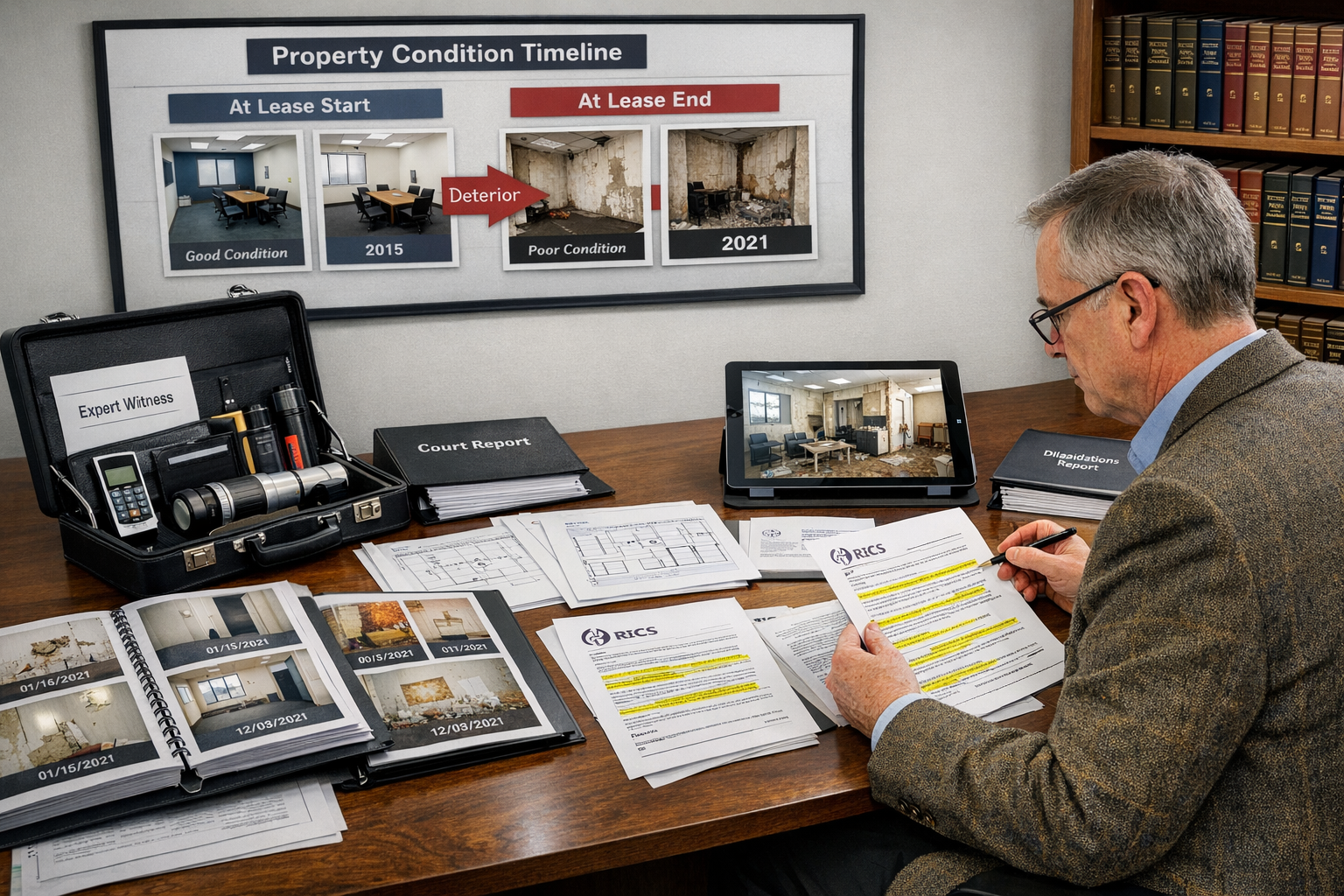
- Detailed photographic records with timestamps and location markers
- Technical measurements using calibrated equipment
- Written descriptions using standardized terminology
- Witness statements from property handover participants
3. Differential Analysis Methodology
The core of dilapidations assessment lies in distinguishing legitimate deterioration from fair wear and tear. Expert witnesses must demonstrate:
"Professional judgment requires systematic comparison between documented baseline conditions and current property state, with clear attribution of causation for each identified defect."
This analysis must account for:
- Property age and construction type
- Tenancy duration and occupancy patterns
- Normal deterioration expectations for materials and fixtures
- Maintenance obligations specified in lease agreements
4. Quantified Repair Schedules
Moving beyond descriptive assessments, expert witnesses must provide detailed dilapidation surveys that include:
- Itemized repair requirements with technical specifications
- Cost estimates based on current market rates
- Prioritization of works (urgent vs. cosmetic)
- Alternative remediation approaches where applicable
5. Regulatory Compliance Integration
Under the 2026 framework, expert witnesses must explicitly address how identified defects impact statutory compliance. This requires assessment of:
- Decent Homes Standards conformity
- Energy Performance Certificate implications
- Safety certification requirements (gas, electrical, fire)
- Local authority enforcement risk
6. Proportionality and Reasonableness
Tribunals increasingly scrutinize whether claimed remediation works represent proportionate responses to identified defects. Expert witnesses must justify:
- Necessity of proposed works
- Appropriateness of specified standards
- Cost-effectiveness of remediation approaches
- Impact on property functionality and lettability
7. Clear Communication and Presentation
Technical expertise loses value without effective communication. Expert witness reports must feature:
- Executive summaries for non-technical readers
- Logical structure following chronological or thematic organization
- Visual aids including annotated photographs and diagrams
- Glossaries defining technical terminology
The RICS Valuation Assurance Framework
The appointment of a new Valuation Assurance Committee with Victor Olowe as Chair signals RICS commitment to maintaining professional standards in the evolving regulatory environment[2]. This committee provides oversight for RICS certified experts working in residential lease disputes.
The framework emphasizes case-by-case professional judgment rather than prescriptive formulas. This approach recognizes that residential properties vary enormously in:
- Construction type and age
- Location and market context
- Tenant demographics and usage patterns
- Landlord maintenance history
Expert witnesses must document their reasoning process transparently, demonstrating how they arrived at conclusions through systematic analysis rather than subjective impression.
Practical Implementation Strategies for Expert Witness Surveyors in Dilapidations Disputes for Residential Leases: 2026 RICS Strategies Post-Renters' Rights Act
The transition to tribunal-focused dispute resolution requires practical adaptations to traditional surveying methodologies. Expert witnesses must develop streamlined processes that maintain rigor while accommodating compressed timelines and enhanced scrutiny.
Pre-Inspection Preparation Protocol
Effective expert witness work begins before site visits. Comprehensive preparation includes:
Document Review Phase
- Lease agreement analysis identifying specific repair obligations
- Historical correspondence between landlord and tenant
- Previous inspection reports or maintenance records
- Deposit protection scheme documentation
- Any relevant statutory notices or enforcement actions
Regulatory Context Assessment
- Current Decent Homes Standards requirements
- Local authority licensing conditions (if applicable)
- Recent tribunal decisions in similar cases
- Market context for comparable properties
Inspection Planning
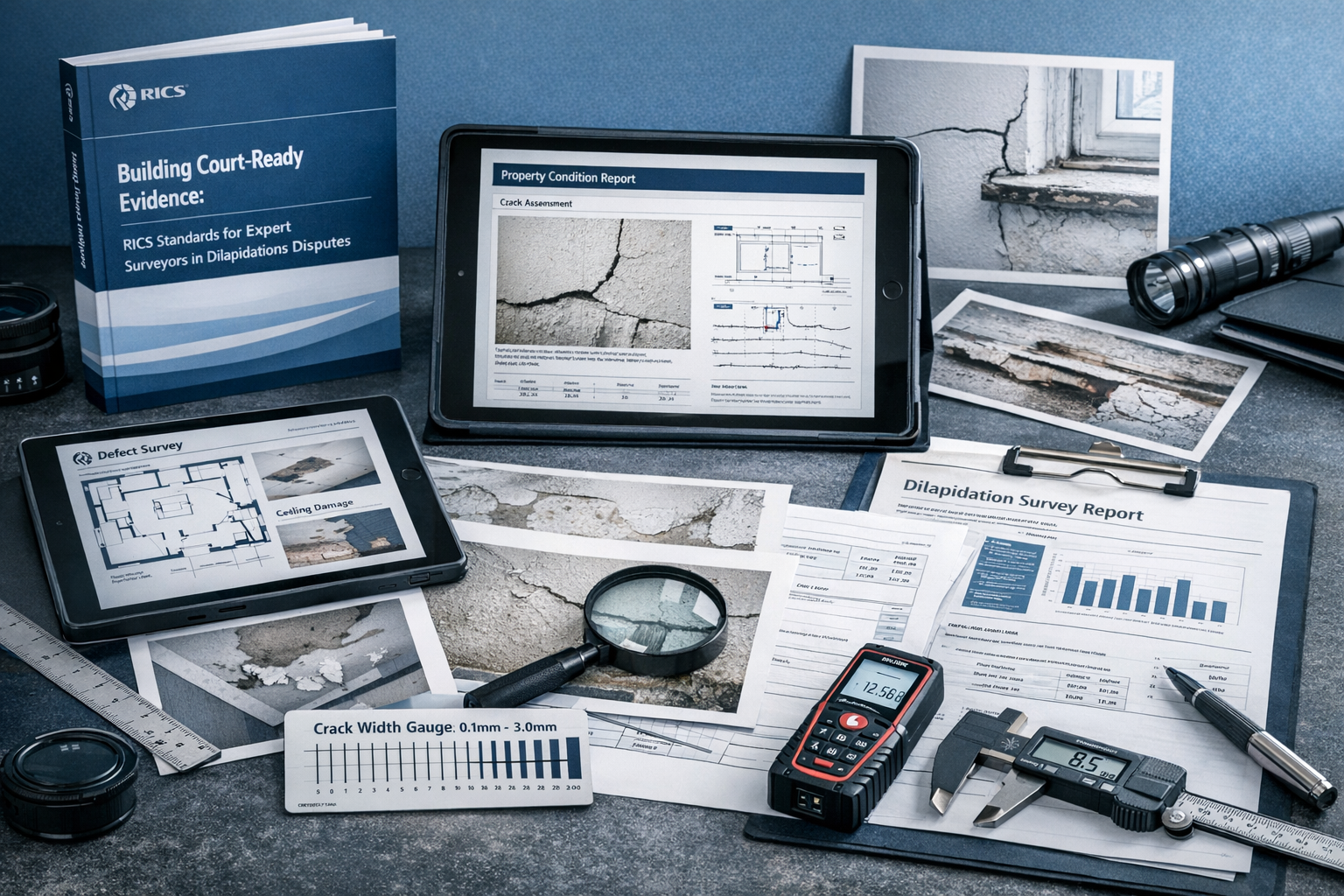
- Equipment checklist (cameras, measurement tools, moisture meters)
- Access arrangements and witness coordination
- Safety considerations and risk assessments
- Preliminary scope based on available information
On-Site Assessment Methodology
The inspection itself must balance thoroughness with efficiency. Expert witnesses typically employ a systematic room-by-room approach:
Visual Inspection Standards
- Comprehensive photography from multiple angles
- Detailed notes using standardized condition descriptors
- Measurement of significant defects
- Testing of fixtures and systems where appropriate
Technical Testing
- Moisture content readings for suspected damp issues
- Thermal imaging for insulation or heating concerns
- Operational testing of mechanical systems
- Structural assessment where deterioration is evident
Witness Engagement
- Attendance by both landlord and tenant representatives where possible
- Real-time discussion of significant findings
- Opportunity for parties to highlight specific concerns
- Documentation of any disputed observations
Post-Inspection Analysis and Reporting
The expert witness report represents the culmination of the assessment process. Best practice includes:
Structured Report Format
- Executive Summary: Key findings and conclusions (2-3 pages)
- Property Description: Location, construction, accommodation schedule
- Methodology: Inspection approach, standards applied, limitations
- Baseline Conditions: Documented property state at tenancy commencement
- Current Conditions: Detailed findings organized by location or defect type
- Differential Analysis: Attribution of changes to tenant responsibility vs. normal wear
- Schedule of Dilapidations: Itemized repair requirements with costs
- Regulatory Compliance: Assessment of statutory standards conformity
- Conclusions: Professional opinion on liability and remediation
- Appendices: Photographs, technical data, supporting documentation
Cost Estimation Principles
Quantifying repair costs requires transparent methodology:
- Use of recognized pricing sources (BCIS, Spon's, local contractor quotes)
- Specification of work standards (like-for-like vs. improvement)
- Inclusion of professional fees and VAT where applicable
- Sensitivity analysis for disputed items
Tribunal Preparation and Testimony
As disputes increasingly resolve through tribunals rather than traditional courts, expert witnesses must adapt their presentation approach[1]. Key considerations include:
Pre-Hearing Preparation
- Review of all filed evidence and opposing expert reports
- Identification of areas of agreement and disagreement
- Preparation of supplementary visual aids
- Anticipation of likely cross-examination questions
Testimony Best Practices
- Clear, jargon-free language accessible to non-technical tribunal members
- Confidence without arrogance in presenting opinions
- Willingness to acknowledge limitations or uncertainties
- Responsiveness to tribunal questions and guidance
Professional Conduct Standards
- Adherence to RICS practice statements and guidance notes
- Maintenance of independence regardless of pressure from instructing parties
- Timely compliance with tribunal directions and deadlines
- Courteous interaction with opposing experts and legal representatives
Emerging Technology Integration
Forward-thinking expert witnesses are incorporating technology to enhance evidence quality and efficiency:
Digital Documentation Tools
- Tablet-based inspection software with integrated photography
- Cloud storage for immediate evidence backup
- Collaborative platforms for client communication
- Digital measurement tools and laser scanning
Visual Evidence Enhancement
- Annotated photographs with measurement overlays
- 3D property models showing defect locations
- Time-lapse comparisons between baseline and current conditions
- Video walkthroughs for tribunal presentation
Data Analytics
- Benchmarking databases for repair cost validation
- Precedent libraries of similar tribunal decisions
- Automated report generation for routine sections
- Quality assurance checklists ensuring completeness
Navigating Specific Challenges Under the 2026 Regulatory Framework
The Renters' Rights Act introduces several specific challenges that expert witness surveyors must address systematically.
Section 8 Possession Grounds and Dilapidations Claims
With Section 21 abolished, landlords seeking possession due to property condition issues must rely on Section 8 grounds[1]. This creates a direct link between dilapidations assessment and possession proceedings. Expert witnesses must understand:
Ground 12: Breach of Tenancy Obligation
- Requires proof of specific lease covenant breaches
- Dilapidations evidence must clearly identify violated obligations
- Proportionality assessment of breach severity
- Remediation opportunity considerations
Ground 13: Deterioration of Property
- Focuses on waste, neglect, or default causing property deterioration
- Requires causation evidence linking tenant actions to damage
- Distinction between deliberate damage and negligence
- Assessment of whether deterioration makes property unsuitable for letting
Expert witness reports in these contexts must explicitly address the statutory grounds, providing tribunal-ready evidence that meets legal thresholds.
Fair Wear and Tear in the Periodic Tenancy Context
The shift to periodic tenancies complicates fair wear and tear assessments. Without fixed terms, establishing reasonable deterioration expectations becomes more challenging. Expert witnesses should consider:
- Annualized deterioration rates: Developing pro-rata expectations for materials and finishes
- Usage intensity factors: Accounting for occupancy patterns and household composition
- Maintenance obligation allocation: Clear delineation of landlord vs. tenant responsibilities
- Industry benchmarks: Reference to published standards and comparable properties
Deposit Protection Scheme Interaction
Dilapidations claims often intersect with deposit disputes. Expert witnesses must understand the Deposit Protection Scheme framework and how their assessments inform adjudication decisions. Key considerations include:
- Alignment with DPS adjudication precedents
- Proportionality of claimed deductions relative to deposit value
- Evidence standards required by DPS adjudicators
- Timeline constraints for deposit dispute resolution
Decent Homes Standards Compliance Assessment
The integration of Decent Homes Standards into residential valuations requires expert witnesses to assess whether properties meet minimum statutory requirements[2]. This involves evaluation of:
Thermal Comfort
- Effective heating systems in all occupied rooms
- Adequate insulation meeting current standards
- Energy efficiency considerations
Modern Facilities
- Kitchen facilities less than 20 years old
- Bathroom facilities less than 30 years old
- Adequate external noise insulation
Reasonable State of Repair
- No category 1 hazards under HHSRS
- Key building components requiring replacement within 5 years
- Overall property condition suitable for continued occupation
Expert witnesses must document how identified dilapidations impact Decent Homes Standards compliance, as this affects property lettability and valuation.
Strategic Considerations for Landlords and Tenants
Understanding expert witness strategies helps both landlords and tenants approach dilapidations disputes more effectively.
For Landlords: Proactive Evidence Management
Landlords can strengthen their position by:
Comprehensive Baseline Documentation
- Professional property inspection at tenancy commencement
- Detailed photographic records with timestamp verification
- Written condition schedules signed by all parties
- Regular interim inspections during tenancy
Maintenance Record Keeping
- Documentation of all landlord-performed repairs
- Contractor invoices and completion certificates
- Tenant maintenance request responses
- Compliance certificate renewals (gas, electrical, EPC)
Early Expert Engagement
- Instructing RICS chartered surveyors before disputes escalate
- Obtaining preliminary assessments to inform negotiation strategy
- Understanding realistic recovery prospects before incurring legal costs
For Tenants: Protecting Against Unfair Claims
Tenants can defend against excessive dilapidations claims by:
Documentation During Tenancy
- Photographs of property condition at move-in
- Records of reported maintenance issues and landlord responses
- Evidence of reasonable care and maintenance
- Documentation of pre-existing defects
Understanding Fair Wear and Tear
- Familiarization with industry standards for normal deterioration
- Recognition of landlord maintenance obligations
- Awareness of proportionality principles in damage assessment
Expert Counter-Evidence
- Obtaining independent surveyor assessments when facing significant claims
- Challenging unreasonable remediation specifications
- Questioning cost estimates against market rates
Future Developments and Ongoing Regulatory Evolution
The regulatory landscape continues to evolve beyond the initial Renters' Rights Act implementation. Further reforms anticipated throughout 2026 include[1]:
Landlord Ombudsman Scheme
A mandatory ombudsman service will provide alternative dispute resolution mechanisms, potentially reducing tribunal caseloads. Expert witnesses should prepare for:
- Streamlined evidence submission processes
- Faster resolution timelines
- Less formal presentation requirements
- Increased emphasis on written reports over oral testimony
National Landlord Database
The creation of a comprehensive database tracking landlord compliance will affect dilapidations assessments by:
- Providing historical property condition data
- Documenting previous enforcement actions
- Creating transparency around landlord maintenance practices
- Establishing performance benchmarks
Enhanced Enforcement Mechanisms
Strengthened local authority powers will increase scrutiny of property conditions, making expert witness assessments more consequential for:
- Licensing compliance
- Civil penalty exposure
- Rent repayment order risks
- Prosecution for serious breaches
Expert witnesses must stay current with these developments through continuous professional development and engagement with RICS guidance updates.
Conclusion: Excellence in Expert Witness Practice for Residential Dilapidations
The transformation brought by the Renters' Rights Act has elevated Expert Witness Surveyors in Dilapidations Disputes for Residential Leases: 2026 RICS Strategies Post-Renters' Rights Act to unprecedented importance in the residential property sector. Success in this evolving landscape requires a combination of technical expertise, regulatory knowledge, and professional judgment.
Expert witnesses who excel in this environment demonstrate:
✅ Comprehensive regulatory understanding spanning the Renters' Rights Act, Decent Homes Standards, and tribunal procedures
✅ Rigorous evidence methodology that withstands scrutiny while maintaining efficiency
✅ Independent professional judgment prioritizing duty to the tribunal over client preferences
✅ Clear communication skills translating technical assessments into accessible tribunal presentations
✅ Continuous professional development staying current with evolving standards and precedents
Actionable Next Steps
For Property Professionals:
- Review current dilapidations assessment procedures against 2026 RICS standards
- Invest in comprehensive baseline documentation systems for all new tenancies
- Establish relationships with qualified expert witness surveyors before disputes arise
- Participate in RICS training on the Renters' Rights Act implications
For Landlords:
- Commission professional property surveys at tenancy commencement and termination
- Maintain detailed records of property maintenance and tenant communications
- Understand realistic dilapidations recovery prospects before pursuing claims
- Consider early mediation to avoid costly tribunal proceedings
For Tenants:
- Document property condition thoroughly at move-in with photographs and written records
- Report maintenance issues promptly and keep records of landlord responses
- Understand fair wear and tear principles to recognize unreasonable claims
- Seek independent expert advice when facing significant dilapidations allegations
For Surveyors:
- Pursue specialist training in residential dilapidations and expert witness procedures
- Develop tribunal-ready reporting templates that meet RICS standards
- Build expertise in Decent Homes Standards assessment
- Maintain professional indemnity insurance adequate for expert witness work
The intersection of technical surveying expertise and legal evidence standards will continue to evolve as the 2026 regulatory framework matures. Expert witnesses who combine rigorous methodology with adaptability to emerging requirements will provide invaluable service to landlords, tenants, and tribunals navigating this complex landscape.
By embracing the enhanced standards and strategic approaches outlined in this guide, expert witness surveyors can deliver the high-quality, independent assessments that underpin fair resolution of residential lease dilapidations disputes in the post-Renters' Rights Act era.
References
[1] Watch – https://www.youtube.com/watch?v=HHwBPDxJlF0
[2] Consideration Of Implications Of Renters Rights Act On Valuation – https://www.rics.org/news-insights/consideration-of-implications-of-renters-rights-act-on-valuation
[3] Rics Issues Practice Alert On Expert Witness Standards In Housing Disrepair Cases – https://www.lexisnexis.co.uk/legal/news/rics-issues-practice-alert-on-expert-witness-standards-in-housing-disrepair-cases