Desktop House Valuation: The Complete Guide to Modern Property Assessment in 2025
When Sarah needed to know her Manchester property’s value for a divorce settlement, she faced a dilemma: wait weeks for a traditional surveyor or get an instant estimate online. Desktop house valuation emerged as the perfect middle ground, offering professional accuracy without the delays. This comprehensive assessment method has revolutionized how property professionals determine market values, combining traditional expertise with cutting-edge technology.
Key Takeaways
• Desktop house valuation provides accurate property assessments without physical inspections, using advanced data analysis and market research
• This method typically costs 40-60% less than traditional surveys while delivering results in 24-48 hours
• Professional desktop valuations are accepted by courts, HMRC, and financial institutions for most legal and tax purposes
• The process combines automated valuation models (AVMs) with expert surveyor analysis for optimal accuracy
• Desktop valuations work best for standard properties in well-documented areas but may have limitations for unique or rural properties
What is Desktop House Valuation?
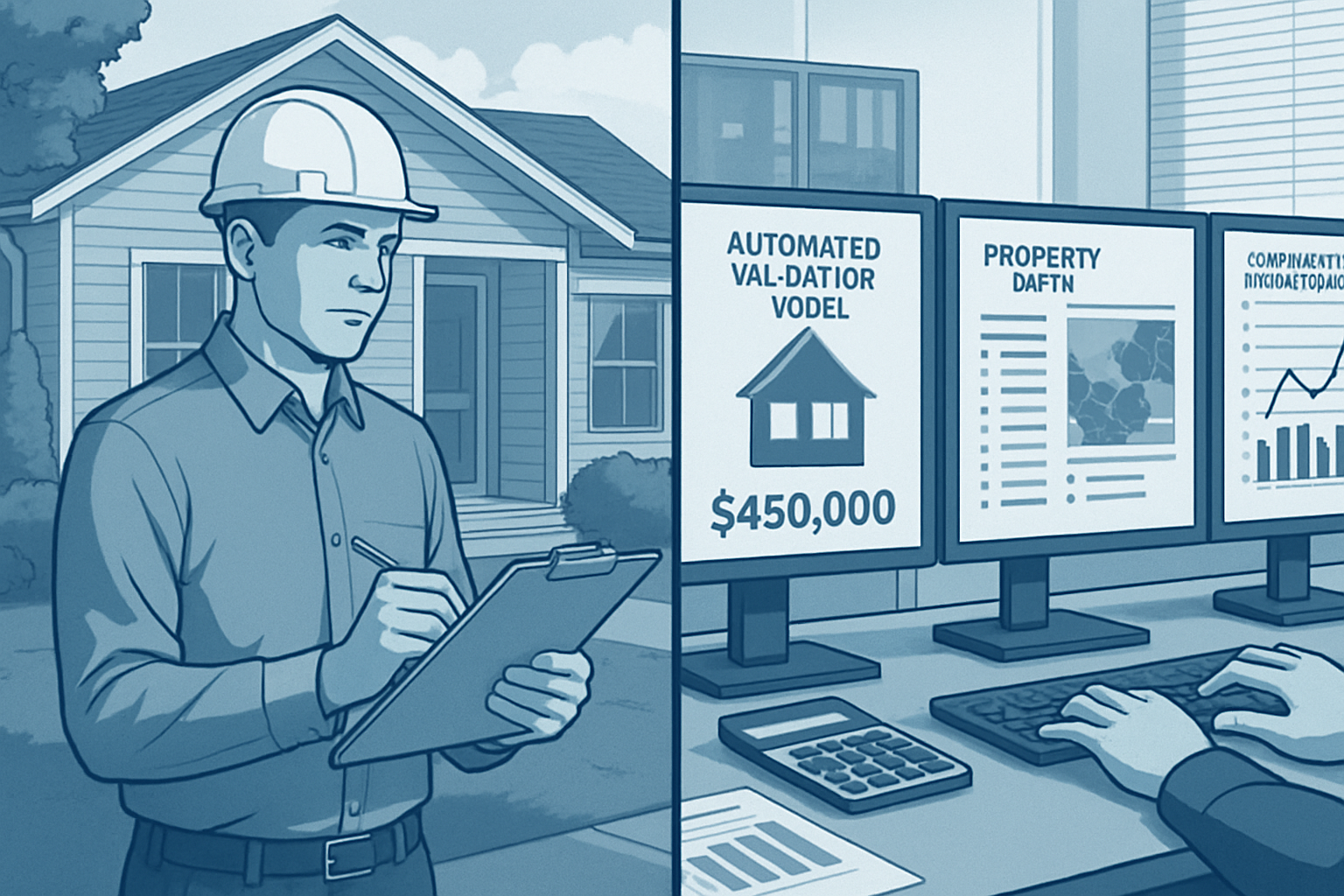
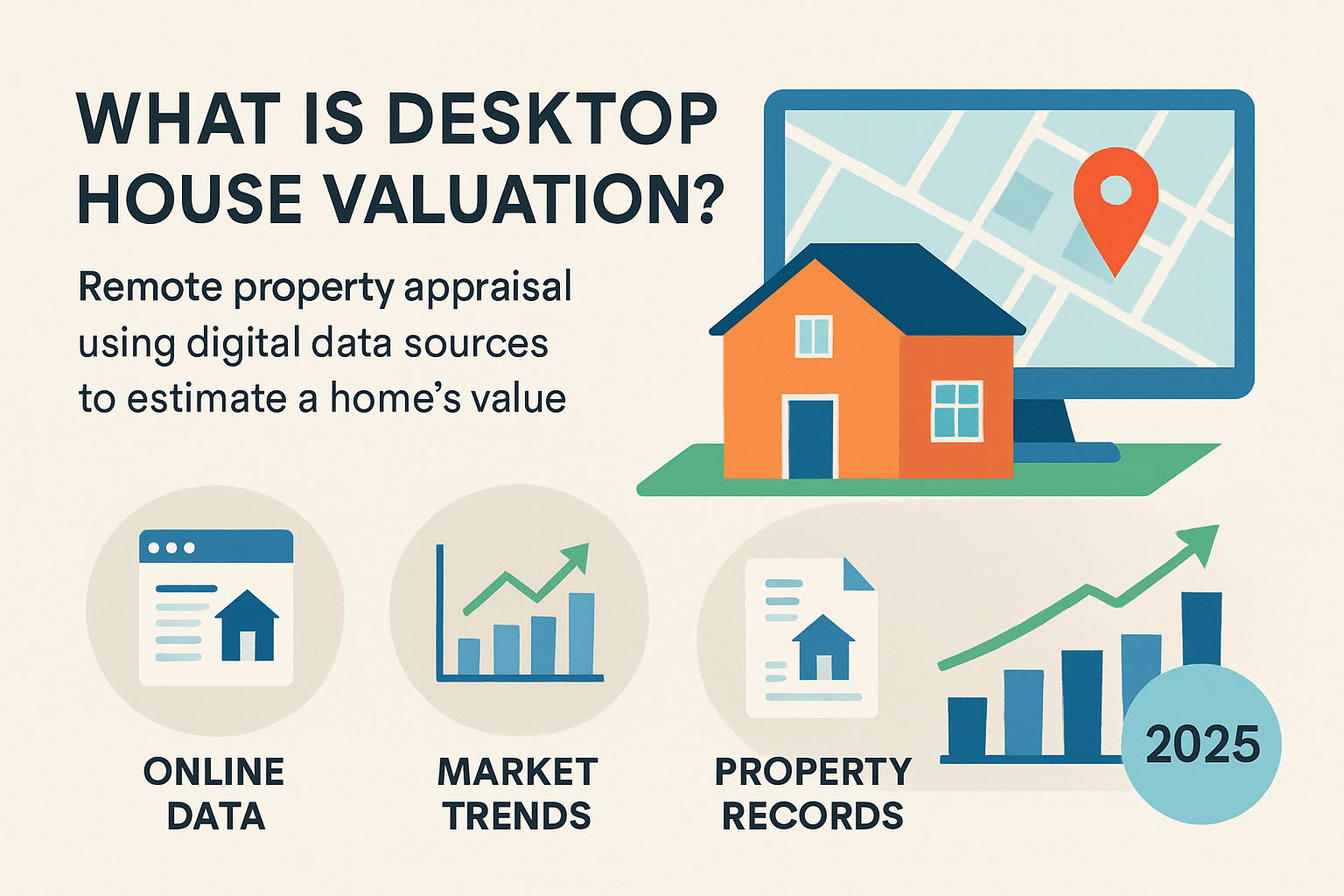
Desktop house valuation represents a modern approach to property assessment that eliminates the need for physical site visits. This method leverages comprehensive databases, satellite imagery, street view technology, and advanced analytics to determine accurate market values from a surveyor’s office.
Unlike basic online calculators, professional desktop valuations involve qualified chartered surveyors who analyze multiple data sources to produce detailed reports. These assessments meet industry standards and provide the same legal validity as traditional surveys for most purposes.
The Technology Behind Desktop Valuations
Modern desktop house valuation systems integrate several sophisticated tools:
Data Sources:
- Land Registry transaction records
- Planning application databases
- Energy Performance Certificate (EPC) records
- Council tax banding information
- Ordnance Survey mapping data
Technology Components:
- Automated Valuation Models (AVMs)
- Geographic Information Systems (GIS)
- Machine learning algorithms
- Comparative market analysis software
- High-resolution satellite imagery
The combination of these elements allows surveyors to build comprehensive property profiles without stepping foot on the premises.
How Desktop House Valuation Works
The desktop valuation process follows a systematic approach that ensures accuracy and reliability. Understanding this methodology helps property owners appreciate the thoroughness behind these assessments.
Step 1: Property Identification and Data Collection
Surveyors begin by gathering extensive information about the target property. This includes:
- Physical characteristics from planning records and EPC data
- Historical transaction data from Land Registry
- Local market conditions and recent comparable sales
- Planning permissions and development constraints
- Environmental factors affecting value
Step 2: Comparative Market Analysis
Professional valuers analyze recent sales of similar properties within the local area. This process involves:
| Factor | Weight | Impact on Valuation |
|---|---|---|
| Location proximity | High | ±10-15% |
| Property size | High | ±8-12% |
| Age and condition | Medium | ±5-10% |
| Recent improvements | Medium | ±3-8% |
| Market timing | Low | ±2-5% |
Step 3: Adjustment and Verification
Surveyors make precise adjustments based on property-specific factors. This stage requires professional expertise to account for:
- Unique features that affect marketability
- Local market trends and buyer preferences
- Seasonal variations in property values
- Economic factors impacting the area
For those requiring specialized assessment types, desktop valuations can be tailored to specific purposes such as matrimonial proceedings or tax assessments.
Benefits of Desktop House Valuation
Desktop house valuation offers numerous advantages that make it an attractive option for property owners, legal professionals, and financial institutions.
⏰ Speed and Efficiency
Traditional property surveys can take 2-4 weeks to complete, while desktop valuations typically deliver results within 24-48 hours. This rapid turnaround proves invaluable for:
- Time-sensitive legal proceedings
- Quick property investment decisions
- Urgent refinancing applications
- Estate planning requirements
💰 Cost-Effectiveness
Desktop valuations typically cost 40-60% less than traditional surveys. This affordability makes professional property assessment accessible to more homeowners while maintaining quality standards.
Cost Comparison:
- Traditional RICS survey: £400-800
- Desktop valuation: £200-350
- Basic online estimate: £0-50 (but limited accuracy)
🏠 Non-Intrusive Process
Property owners appreciate that desktop valuations require no disruption to their daily lives. There’s no need to:
- Schedule appointments around work commitments
- Prepare the property for inspection
- Allow strangers into private spaces
- Coordinate with tenants or occupants
📊 Comprehensive Documentation
Professional desktop valuations produce detailed reports that include:
- Executive summary with key findings
- Methodology explanation and data sources
- Market analysis and comparable properties
- Risk assessment and limiting conditions
- Professional certification and surveyor credentials
When to Choose Desktop House Valuation
Desktop house valuation suits many scenarios, but understanding when it’s most appropriate ensures optimal results.
Ideal Situations for Desktop Valuation
Legal and Tax Purposes:
- Matrimonial valuations for divorce settlements
- Probate valuations for estate administration
- Capital gains tax assessments
- Insurance claim support
Financial Planning:
- Portfolio assessment for investors
- Equity release calculations
- Refinancing applications
- Estate planning strategies
Business Decisions:
- Quick investment analysis
- Portfolio rebalancing
- Market entry assessments
- Due diligence support
Property Types Best Suited for Desktop Valuation
Desktop house valuation works exceptionally well for:
✅ Standard residential properties in established areas
✅ Flats and apartments with good comparable data
✅ Modern developments with comprehensive records
✅ Properties in urban locations with active markets
✅ Recently built homes with detailed specifications
Limitations and Considerations
While desktop valuations offer many benefits, certain situations may require traditional surveys:
❌ Unique or unusual properties without clear comparables
❌ Listed buildings with special characteristics
❌ Properties requiring structural assessment
❌ Rural locations with limited market data
❌ Properties with known defects or unusual conditions
For properties with specific requirements, consulting with experienced chartered surveyors helps determine the most appropriate valuation method.
Desktop House Valuation vs Traditional Methods
Understanding the differences between desktop and traditional valuation methods helps property owners make informed decisions about which approach best serves their needs.
Accuracy Comparison
Desktop Valuation Accuracy:
- Standard properties: ±5-8% variance from market value
- Well-documented areas: ±3-6% variance
- Unique properties: ±8-15% variance (higher uncertainty)
Traditional Survey Accuracy:
- All property types: ±3-5% variance from market value
- Complex properties: ±2-4% variance
- Unusual features: Better assessment capability
Time and Cost Analysis
| Aspect | Desktop Valuation | Traditional Survey |
|---|---|---|
| Timeframe | 24-48 hours | 2-4 weeks |
| Cost Range | £200-350 | £400-800 |
| Property Access | Not required | Essential |
| Weather Dependency | None | Possible delays |
| Scheduling Flexibility | Immediate | Appointment-based |
Professional Standards and Acceptance
Both methods adhere to RICS (Royal Institution of Chartered Surveyors) standards when conducted by qualified professionals. Desktop valuations are widely accepted by:
- Courts for legal proceedings
- HMRC for tax assessments
- Insurance companies for coverage decisions
- Financial institutions for lending purposes
- Legal professionals for estate planning
The key difference lies in the methodology rather than professional credibility. RICS-registered valuers can provide equally valid assessments using either approach.
Choosing the Right Desktop House Valuation Service
Selecting a qualified provider ensures accurate results and professional credibility for your desktop house valuation needs.
Essential Qualifications to Look For
Professional Credentials:
- RICS membership (MRICS or FRICS designation)
- Relevant experience in your property type and location
- Professional indemnity insurance coverage
- Local market knowledge and expertise
Service Standards:
- Detailed methodology explanation
- Comprehensive reporting with supporting data
- Clear limiting conditions and assumptions
- Professional certification and signature
Questions to Ask Potential Providers
Before commissioning a desktop house valuation, consider these important questions:
- What data sources do you use for analysis?
- How recent are the comparable sales in your database?
- What experience do you have with similar properties?
- Is the valuation suitable for my specific purpose?
- What limiting conditions apply to the assessment?
- How quickly can you deliver the final report?
Understanding Valuation Reports
Professional desktop house valuation reports should include:
Executive Summary:
- Property description and location
- Valuation figure and effective date
- Purpose and intended use
- Key assumptions and limitations
Detailed Analysis:
- Market conditions assessment
- Comparable properties analysis
- Adjustment explanations
- Risk factors consideration
Supporting Documentation:
- Data source references
- Methodology explanation
- Professional certification
- Contact information for queries
For comprehensive guidance on valuation costs and service options, professional surveyors can provide detailed consultations.
The Future of Desktop House Valuation
Desktop house valuation continues evolving with technological advances and changing market demands. Understanding these trends helps property professionals and homeowners prepare for future developments.
Emerging Technologies
Artificial Intelligence Integration:
- Enhanced pattern recognition for property assessment
- Improved accuracy through machine learning algorithms
- Automated report generation with human oversight
- Predictive modeling for market trend analysis
Advanced Data Sources:
- Real-time market data feeds
- Enhanced satellite imagery analysis
- Social media sentiment analysis for area desirability
- Economic indicator integration for market predictions
Blockchain and Data Security:
- Immutable property transaction records
- Enhanced data verification processes
- Improved fraud prevention measures
- Streamlined property history tracking
Regulatory Developments
The RICS continues updating standards for desktop valuations, ensuring they meet evolving market needs while maintaining professional integrity. Recent developments include:
- Enhanced data quality requirements
- Improved transparency standards
- Strengthened professional liability frameworks
- Updated continuing education requirements
Market Adoption Trends
Desktop house valuation adoption continues growing across various sectors:
Legal Sector: Increasing acceptance for court proceedings and dispute resolution
Financial Services: Enhanced integration with lending and insurance processes
Property Investment: Growing use for portfolio management and due diligence
Government Agencies: Expanded acceptance for tax and regulatory purposes
Professional surveyors offering comprehensive valuation services continue adapting to these changes while maintaining the highest standards of accuracy and reliability.
Conclusion
Desktop house valuation has emerged as a powerful tool that combines professional expertise with modern technology to deliver accurate, cost-effective property assessments. This method offers significant advantages in terms of speed, cost, and convenience while maintaining the professional standards required for legal and financial purposes.
The key to successful desktop valuation lies in choosing qualified professionals who understand both the capabilities and limitations of this approach. When used appropriately, desktop house valuation provides reliable results that serve the needs of property owners, legal professionals, and financial institutions alike.
As technology continues advancing and market acceptance grows, desktop house valuation will likely become even more prevalent in the property assessment landscape. However, the fundamental importance of professional expertise and judgment remains unchanged.
Next Steps
If you’re considering a desktop house valuation, take these actionable steps:
- Assess your specific needs and timeline requirements
- Research qualified providers with relevant experience and RICS certification
- Gather necessary property information to support the assessment process
- Discuss methodology and limitations with your chosen surveyor
- Review the final report carefully and ask questions about any unclear aspects
For professional desktop house valuation services that meet the highest industry standards, contact experienced chartered surveyors who can guide you through the process and ensure your specific requirements are met with precision and expertise.