
The Complete Guide to Delap Survey: Everything You Need to Know in 2025

When property disputes arise or building conditions deteriorate, property owners and tenants often find themselves navigating complex legal and technical terrain. A delap survey serves as a crucial tool in these situations, providing detailed documentation of property conditions that can protect your interests and ensure fair resolution of disputes.
Key Takeaways
• Delap surveys are comprehensive property condition assessments that document defects, damages, and maintenance issues
• These surveys are essential for resolving tenant-landlord disputes, insurance claims, and property transfer negotiations
• Professional surveyors use standardized methodologies to ensure accurate and legally defensible documentation
• The cost of a delap survey varies based on property size, complexity, and specific requirements
• Proper timing and preparation can significantly impact the effectiveness and value of your survey results
What is a Delap Survey? 📋
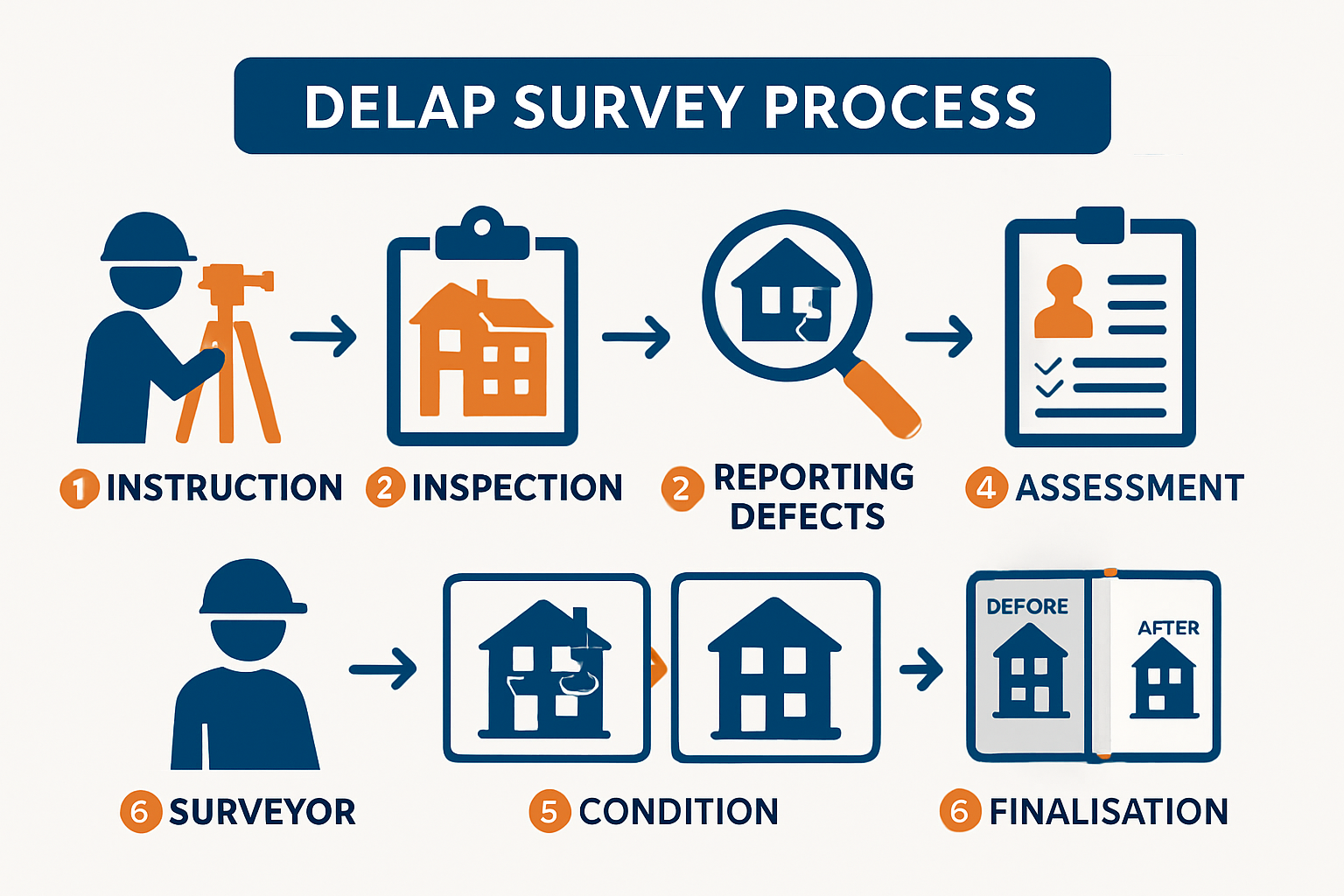
A delap survey, also known as a dilapidation survey, represents a detailed assessment of a property’s physical condition at a specific point in time. This comprehensive evaluation documents existing defects, damage, and areas requiring maintenance or repair. The term “delap” derives from “dilapidation,” referring to the state of disrepair or deterioration that buildings naturally experience over time.
Professional surveyors conduct these assessments using systematic approaches to identify and catalog various types of property issues. The resulting documentation serves multiple purposes, from legal proceedings to insurance claims and property management decisions.
Primary Functions of Delap Surveys
Documentation and Evidence Collection
The survey creates a permanent record of property conditions, complete with photographs, detailed descriptions, and professional assessments. This documentation proves invaluable when disputes arise or when establishing baseline conditions for future reference.
Legal Protection
Property owners, tenants, and other stakeholders use delap surveys to protect their legal interests. The professional nature of these assessments makes them admissible in court proceedings and arbitration cases.
Financial Planning
By identifying current and potential future issues, delap surveys help property owners budget for necessary repairs and maintenance, preventing small problems from becoming costly major repairs.
When Do You Need a Delap Survey? 🏢
Understanding the appropriate timing for commissioning a delap survey can save property owners significant time, money, and legal complications. Several scenarios commonly trigger the need for these comprehensive assessments.
Lease Terminations and Renewals
When commercial or residential leases end, disputes often arise regarding property condition and responsibility for repairs. A delap survey conducted at lease commencement establishes baseline conditions, while an exit survey documents any changes or deterioration that occurred during the tenancy period.
Landlords frequently require these surveys to determine whether tenants have fulfilled their maintenance obligations under lease agreements. Conversely, tenants may commission surveys to protect themselves against unfair damage claims.
Property Acquisitions and Sales
Before purchasing property, buyers often commission delap surveys to identify potential issues that could affect the property’s value or require immediate attention. This information proves crucial for:
- Negotiating purchase prices
- Planning renovation budgets
- Identifying deal-breaking structural problems
- Understanding long-term maintenance requirements
Sellers may also benefit from proactive surveys, addressing issues before listing properties and avoiding last-minute negotiation complications.
Insurance Claims and Disputes
Following damage from storms, flooding, or other insured events, delap surveys provide detailed documentation necessary for insurance claims. These surveys help establish:
- Pre-loss conditions when baseline documentation exists
- Extent of damage requiring repair or replacement
- Repair specifications and associated costs
- Timeline considerations for restoration work
Professional dilapidation surveys ensure insurance companies receive accurate information needed for fair claim settlements.
Maintenance Planning and Asset Management
Property managers and owners use regular delap surveys as part of comprehensive maintenance strategies. These assessments help prioritize repair work, budget for future expenses, and maintain properties in optimal condition.
The Delap Survey Process: Step-by-Step 🔍
Understanding the delap survey process helps property owners prepare effectively and ensures they receive maximum value from their investment in professional assessment services.
Initial Consultation and Scope Definition
The process begins with detailed discussions between the client and surveyor to establish:
- Survey objectives and intended use of results
- Property access arrangements and timing constraints
- Specific areas of concern requiring focused attention
- Reporting requirements and delivery timelines
- Budget considerations and fee structures
This preliminary phase ensures the survey meets client needs while establishing clear expectations for all parties involved.
Site Inspection and Data Collection
Professional surveyors conduct thorough physical inspections using standardized methodologies and specialized equipment. The inspection process typically includes:
Visual Assessment
Surveyors examine all accessible areas of the property, documenting visible defects, damage, and maintenance issues. This includes structural elements, building systems, finishes, and external features.
Photographic Documentation
High-quality photographs provide visual evidence supporting written descriptions. Modern digital cameras and specialized equipment ensure clear, detailed images that enhance report credibility.
Measurements and Technical Analysis
Where appropriate, surveyors take precise measurements and conduct technical assessments to quantify problems and estimate repair requirements.
Environmental Considerations
Surveyors note environmental factors that may affect property condition, such as moisture levels, ventilation adequacy, and exposure to weather elements.
Report Preparation and Delivery
Following site inspection, surveyors prepare comprehensive reports containing:
- Executive summary highlighting key findings
- Detailed condition descriptions organized by building element or location
- Photographic evidence supporting all significant observations
- Repair recommendations with priority classifications
- Cost estimates for identified work (when requested)
- Professional opinions on underlying causes and prevention strategies
Quality reports balance technical accuracy with clear communication, ensuring clients understand findings regardless of their technical background.
Types of Delap Surveys Available 📊
Different situations require varying levels of detail and focus in delap surveys. Understanding available options helps clients select appropriate survey types for their specific needs and budgets.
| Survey Type | Scope | Typical Use Cases | Duration |
|---|---|---|---|
| Basic Condition Survey | Visual inspection only | Lease documentation, general assessment | 2-4 hours |
| Comprehensive Delap Survey | Detailed analysis with measurements | Legal proceedings, major transactions | 4-8 hours |
| Specialist Technical Survey | Focused on specific systems or issues | Insurance claims, expert witness work | Variable |
| Ongoing Monitoring Survey | Regular periodic assessments | Asset management, maintenance planning | 2-3 hours |
Basic Condition Surveys
These entry-level assessments provide general overviews of property condition suitable for routine documentation needs. Basic surveys typically focus on:
- Obvious visible defects and damage
- General maintenance requirements
- Safety concerns requiring immediate attention
- Overall property condition ratings
While less detailed than comprehensive surveys, basic assessments offer cost-effective solutions for straightforward documentation needs.
Comprehensive Delap Surveys
Full-scale surveys provide exhaustive analysis suitable for complex situations requiring detailed documentation. These assessments include:
- Systematic examination of all building elements
- Technical analysis of structural and mechanical systems
- Detailed repair specifications with priority rankings
- Cost analysis and budget planning information
- Legal-grade documentation suitable for court proceedings
Comprehensive surveys represent the gold standard for situations involving significant financial stakes or legal implications.
Specialist Technical Surveys
Some situations require focused expertise on specific building systems or types of damage. Specialist surveys might concentrate on:
- Structural engineering issues requiring technical analysis
- Building services such as electrical, plumbing, or HVAC systems
- Environmental concerns including dampness, ventilation, or contamination
- Historic building considerations requiring specialized knowledge
These targeted assessments provide deep expertise while controlling costs by focusing on specific areas of concern.
Understanding Delap Survey Costs and Factors 💰
The investment required for professional delap surveys varies significantly based on multiple factors. Understanding these variables helps clients budget appropriately and select services that provide optimal value for their specific situations.
Primary Cost Factors
Property Size and Complexity
Larger properties require more time for thorough inspection, directly impacting survey costs. Complex buildings with multiple systems, levels, or specialized features increase assessment time and expertise requirements.
Survey Scope and Detail Level
Basic visual inspections cost significantly less than comprehensive technical assessments. Clients should balance their need for detail against budget constraints while ensuring surveys meet their intended purposes.
Geographic Location and Access
Properties in remote locations or those requiring special access arrangements may incur additional costs for travel time and specialized equipment. Urban properties typically offer more competitive pricing due to surveyor availability.
Urgency and Timing
Rush surveys commanding premium pricing, while flexible timing allows surveyors to offer more competitive rates. Planning ahead typically results in cost savings without compromising quality.
Specialist Expertise Requirements
Properties requiring specialized knowledge, such as historic buildings or complex industrial facilities, command higher fees due to the need for expert surveyors with relevant qualifications and experience.
Typical Cost Ranges
While specific costs vary by region and circumstances, general guidelines help clients understand typical investment levels:
- Small residential properties: £300-£800
- Large residential or small commercial: £800-£2,000
- Medium commercial properties: £2,000-£5,000
- Large or complex commercial: £5,000+
These ranges reflect comprehensive surveys by qualified professionals. Basic assessments typically cost 40-60% less than comprehensive surveys.
Maximizing Survey Value
Smart clients take steps to maximize the value received from their survey investment:
Clear Objective Definition
Precisely defining survey objectives ensures surveyors focus on relevant issues while avoiding unnecessary work that increases costs without adding value.
Proper Preparation
Ensuring property access, gathering relevant documentation, and preparing specific questions helps surveyors work efficiently and thoroughly.
Professional Surveyor Selection
Choosing qualified, experienced professionals ensures accurate results that stand up to scrutiny while avoiding the costs of inadequate surveys requiring repetition.
Working with professional assessment specialists ensures clients receive appropriate survey types for their specific needs while maintaining cost effectiveness.
Legal Implications and Documentation Standards ⚖️
Delap surveys often play crucial roles in legal proceedings, making adherence to professional standards and documentation requirements essential for survey credibility and usefulness.
Professional Standards and Qualifications
RICS Certification Requirements
The Royal Institution of Chartered Surveyors (RICS) sets professional standards for property surveys, including delap assessments. RICS-qualified surveyors must demonstrate:
- Relevant education and training
- Professional experience in property assessment
- Ongoing continuing professional development
- Adherence to ethical standards and professional conduct rules
Clients benefit from working with RICS-certified professionals who understand legal requirements and maintain professional indemnity insurance.
Documentation Standards
Legal proceedings require surveys that meet specific documentation standards:
- Objective reporting free from bias or advocacy
- Clear methodology explanation enabling result verification
- Comprehensive photographic evidence supporting all claims
- Professional opinions clearly distinguished from factual observations
- Proper authentication through professional signatures and credentials
Admissibility in Legal Proceedings
Courts and arbitration panels evaluate survey evidence based on several criteria:
Surveyor Qualifications
Professional credentials and relevant experience affect the weight given to survey evidence. Expert witnesses must demonstrate competence in the specific areas addressed by their surveys.
Methodology Soundness
Surveys using recognized professional methods and standards receive greater credibility than those employing non-standard approaches.
Documentation Quality
Complete, well-organized reports with supporting evidence prove more persuasive than incomplete or poorly presented documentation.
Objectivity and Independence
Surveys conducted by independent professionals without conflicts of interest carry greater weight than those prepared by parties with financial interests in outcomes.
Common Legal Applications
Delap surveys support various types of legal proceedings:
Landlord-Tenant Disputes
Surveys document property conditions at lease commencement and termination, helping resolve disputes over damage responsibility and repair obligations.
Insurance Litigation
When insurance companies dispute claims, delap surveys provide independent assessment of damage extent and repair requirements.
Property Transaction Disputes
Buyers discovering undisclosed defects after purchase may use surveys to support claims against sellers or their agents.
Construction Defect Cases
Surveys document construction quality issues and help establish contractor liability for defective work.
Choosing the Right Surveyor for Your Delap Survey 🎯

Selecting qualified professionals significantly impacts survey quality, credibility, and usefulness for intended purposes. Several factors distinguish excellent surveyors from merely adequate ones.
Essential Qualifications and Experience
Professional Certifications
Look for surveyors holding relevant professional qualifications, particularly RICS membership with appropriate specializations. These credentials demonstrate commitment to professional standards and ongoing education.
Relevant Experience
Surveyors should demonstrate experience with similar property types and survey purposes. Commercial property surveys require different expertise than residential assessments, while legal proceedings demand specific documentation skills.
Local Knowledge
Familiarity with local building practices, regulations, and environmental conditions enhances survey accuracy and relevance. Local surveyors often provide insights that distant professionals might miss.
Technical Specializations
Complex properties may require surveyors with specific technical expertise in areas such as:
- Structural engineering
- Building services systems
- Historic building conservation
- Environmental assessment
- Specialized construction methods
Evaluating Surveyor Credentials
Professional References
Request references from recent clients with similar survey needs. Quality surveyors readily provide references and encourage potential clients to verify their track record.
Sample Reports
Review sample reports to evaluate documentation quality, clarity, and comprehensiveness. Well-prepared reports indicate attention to detail and professional competence.
Insurance Coverage
Ensure surveyors carry adequate professional indemnity insurance protecting clients against errors or omissions. This coverage demonstrates professional responsibility and provides financial protection.
Continuing Education
Professional surveyors participate in ongoing education to maintain current knowledge of building technologies, assessment methods, and legal requirements.
Working Effectively with Your Surveyor
Clear Communication
Establish clear communication regarding survey objectives, timelines, and deliverables. Misunderstandings lead to inadequate surveys that fail to meet client needs.
Access Arrangements
Coordinate property access to ensure surveyors can conduct thorough inspections without unnecessary delays or restrictions.
Documentation Provision
Provide relevant property documentation, including:
- Building plans and specifications
- Previous survey reports
- Maintenance records
- Insurance claims history
- Lease agreements or purchase contracts
Question Preparation
Prepare specific questions about areas of concern, enabling surveyors to focus attention on issues most important to clients.
Professional chartered surveyors bring expertise and credibility that justify their fees through accurate, defensible survey results.
Common Issues Identified in Delap Surveys 🔧
Understanding typical problems discovered during delap surveys helps property owners recognize potential issues and appreciate the value of professional assessment services.
Structural Problems
Foundation Issues
Settlement, subsidence, and foundation deterioration represent serious concerns requiring immediate attention. Signs include:
- Cracks in walls or foundations
- Uneven floors or sloping surfaces
- Doors and windows that stick or gap
- Separation between building elements
Roof and Weather Protection
Roof problems cause extensive secondary damage when left unaddressed. Common issues include:
- Missing, damaged, or deteriorated roofing materials
- Inadequate or damaged flashing around penetrations
- Gutter and drainage system problems
- Insulation deficiencies affecting energy efficiency
Load-Bearing Element Deterioration
Structural supports may deteriorate due to age, environmental exposure, or inadequate maintenance. Professional assessment identifies:
- Beam or joist deflection or cracking
- Column or post damage
- Wall structural integrity issues
- Connection point deterioration
Building Systems Deficiencies
Electrical System Problems
Outdated or damaged electrical systems pose safety risks and functionality issues:
- Obsolete wiring requiring replacement
- Inadequate electrical capacity for current needs
- Safety hazard identification and correction needs
- Code compliance deficiencies
Plumbing and Water Systems
Water-related problems cause immediate inconvenience and long-term damage:
- Pipe leaks and water damage
- Inadequate water pressure or flow
- Drainage system blockages or damage
- Hot water system deficiencies
HVAC System Issues
Heating, ventilation, and air conditioning problems affect comfort and energy efficiency:
- Equipment age and condition assessment
- Ductwork integrity and efficiency
- Control system functionality
- Energy efficiency opportunities
Environmental and Safety Concerns
Moisture and Dampness
Excess moisture creates health hazards and structural damage:
- Visible mold or mildew growth
- Water intrusion sources and damage
- Ventilation inadequacy
- Humidity control deficiencies
Safety Hazard Identification
Professional surveys identify various safety concerns:
- Fire safety system deficiencies
- Slip, trip, and fall hazards
- Structural stability concerns
- Environmental contamination risks
Understanding these common issues helps property owners appreciate the comprehensive nature of professional delap surveys and the value they provide in identifying problems before they become major expenses.
Preparing for Your Delap Survey 📝
Proper preparation maximizes survey effectiveness while minimizing costs and delays. Well-prepared clients receive more comprehensive and useful survey results.
Pre-Survey Planning
Documentation Assembly
Gather relevant property documentation before the surveyor arrives:
- Building plans and architectural drawings
- Previous survey reports or inspection records
- Maintenance logs and repair histories
- Insurance claims and settlement documentation
- Warranty information for building systems and components
Access Coordination
Ensure surveyors can access all relevant areas:
- Coordinate with tenants or occupants for interior access
- Arrange utility area access including basements and mechanical rooms
- Provide keys or access codes for restricted areas
- Schedule around business operations to minimize disruption
- Ensure adequate lighting in all areas requiring inspection
Safety Considerations
Address safety requirements before survey commencement:
- Identify and communicate known hazards
- Ensure adequate lighting and safe access routes
- Provide personal protective equipment if required
- Clear access paths of obstacles and stored materials
Information Gathering
Specific Concern Documentation
Document specific issues or areas of concern:
- Photograph obvious problems for surveyor reference
- Note dates when problems first appeared
- Document any temporary repairs or mitigation measures
- Identify areas where problems seem to be worsening
Historical Context
Provide background information helping surveyors understand property history:
- Construction dates and major renovation timelines
- Previous damage events and repair work
- Changes in property use or occupancy
- Environmental factors affecting the property
Objective Clarification
Clearly communicate survey objectives and intended use:
- Legal proceedings requiring specific documentation standards
- Insurance claims needing particular types of evidence
- Property transactions requiring buyer/seller protection
- Maintenance planning for ongoing property management
Day of Survey Coordination
Site Representative
Designate a knowledgeable person to accompany the surveyor:
- Someone familiar with property history and current issues
- Authority to provide access to restricted areas
- Ability to answer questions about building systems and operations
- Contact information for follow-up questions
Minimal Disruption Strategies
Plan survey timing to minimize business or personal disruption:
- Schedule during low-activity periods when possible
- Communicate with affected parties about timing and duration
- Arrange alternative work spaces if necessary
- Plan for potential utility shutoffs during system inspections
Working with experienced property assessment professionals ensures smooth survey execution and comprehensive results that meet client objectives.
Interpreting Your Delap Survey Results 📊
Understanding survey findings enables property owners to make informed decisions about repairs, negotiations, and long-term property management strategies.
Report Structure and Organization
Executive Summary
Professional surveys begin with executive summaries highlighting:
- Key findings requiring immediate attention
- Overall property condition assessment
- Priority recommendations for repair or maintenance
- Cost implications for identified issues
- Timeline considerations for addressing problems
Detailed Findings Sections
Comprehensive reports organize findings logically:
- Building element organization (roof, walls, floors, systems)
- Location-based organization (by room, floor, or building section)
- Priority-based organization (urgent, important, routine maintenance)
- System-based organization (structural, mechanical, electrical, plumbing)
Supporting Documentation
Quality reports include extensive supporting materials:
- High-resolution photographs with detailed captions
- Technical drawings or sketches when appropriate
- Measurement data and calculations
- Reference standards and code citations
- Professional opinions and recommendations
Understanding Priority Classifications
Immediate Action Required
Issues posing safety risks or causing ongoing damage require immediate attention:
- Structural instability or failure risks
- Electrical or fire safety hazards
- Water intrusion causing active damage
- Security vulnerabilities
Short-Term Repairs (1-6 months)
Problems that will worsen without timely intervention:
- Minor roof leaks before weather exposure
- HVAC system maintenance preventing failure
- Preventive structural repairs
- Code compliance corrections
Medium-Term Planning (6 months – 2 years)
Issues requiring planning and budgeting but not immediate action:
- System replacement near end of useful life
- Energy efficiency improvements
- Aesthetic improvements and updates
- Accessibility modifications
Long-Term Considerations (2+ years)
Future planning items for budget consideration:
- Major system overhauls or replacements
- Building envelope improvements
- Expansion or reconfiguration projects
- Technology upgrades and modernization
Cost Analysis and Budgeting
Repair Cost Estimates
Professional surveys often include cost guidance:
- Order of magnitude estimates for planning purposes
- Detailed cost breakdowns for specific repairs
- Alternative solution comparisons with cost-benefit analysis
- Phased implementation strategies spreading costs over time
Return on Investment Considerations
Smart property owners evaluate repairs based on:
- Property value impact of completed improvements
- Operating cost savings from efficiency improvements
- Risk mitigation value of preventive maintenance
- Regulatory compliance requirements and deadlines
Understanding valuation factors helps property owners prioritize improvements that provide optimal returns on investment.
Conclusion: Making the Most of Your Delap Survey Investment
A well-executed delap survey serves as a powerful tool for protecting property interests, making informed decisions, and planning for the future. The comprehensive documentation and professional analysis provided by qualified surveyors offer value that extends far beyond the initial investment cost.
Property owners who approach delap surveys strategically—with clear objectives, proper preparation, and realistic expectations—consistently achieve better outcomes than those who treat surveys as routine compliance exercises. The key lies in understanding that these assessments provide not just documentation of current conditions, but insights that inform smart property management decisions for years to come.
Next Steps for Property Owners
Immediate Actions:
- Define your specific survey objectives and intended use of results
- Research qualified surveyors with relevant experience and credentials
- Gather property documentation and prepare for comprehensive site access
- Budget appropriately based on property complexity and survey scope requirements
Long-Term Planning:
- Develop maintenance schedules based on survey findings and recommendations
- Create repair budgets that address priority issues while planning for future needs
- Consider regular follow-up surveys to monitor property condition changes
- Use survey documentation to support insurance claims, legal proceedings, or property transactions
The investment in professional delap survey services pays dividends through better decision-making, reduced legal risks, and optimized property management strategies. Whether you’re dealing with lease negotiations, property acquisitions, insurance claims, or routine maintenance planning, the detailed documentation and expert analysis provided by qualified surveyors creates a foundation for success.
Take action today by contacting experienced property assessment professionals who can guide you through the survey process and deliver results that protect your interests while supporting your property management objectives.