The prefabricated bathroom pod market is projected to reach $1.8 billion globally by 2030, with retrofit installations accounting for nearly 40% of demand [3]. This surge in modular bathroom upgrades is transforming how property owners approach renovation projects, but it's also creating a critical gap in legal compliance. Many homeowners remain unaware that installing bathroom pods often requires party wall notices when structural modifications breach or load shared walls between properties.
Party Wall Notices for Bathroom Pod Installations in 2026 Modular Retrofit Booms: Structural Safeguards represent an essential intersection of construction innovation and property law. As bathroom pod installations become the preferred solution for rapid, high-quality bathroom upgrades, understanding the party wall implications protects both building owners and their neighbors from costly disputes and structural damage.
Key Takeaways
- 🏗️ Bathroom pod installations frequently require party wall notices when modifications affect shared walls, foundations, or load-bearing structures between properties
- 📋 Proper notification procedures must begin at least two months before work commences, with detailed structural assessments and neighbor consent documentation
- 🛡️ Structural safeguards including pre-installation condition surveys and professional surveyor appointments protect all parties from disputes and damage claims
- ⚖️ Non-compliance penalties can result in injunctions, forced work stoppages, and liability for neighbor property damage exceeding £50,000 in severe cases
- 🔄 2026 regulatory updates emphasize enhanced structural engineering requirements for modular installations affecting party walls
Understanding Bathroom Pod Installations in Modern Retrofit Projects
Bathroom pods—also known as prefabricated or modular bathroom units—are self-contained, factory-built bathroom modules that arrive on-site as complete units [2]. These installations have revolutionized renovation projects by reducing on-site construction time from weeks to mere days. The units come fully equipped with plumbing, electrical systems, fixtures, and finishes, requiring only connection to existing building services [6].
Why Bathroom Pods Are Gaining Popularity
The modular construction boom of 2026 has accelerated bathroom pod adoption across residential and commercial sectors. Several factors drive this trend:
- Time efficiency: Installation typically completes in 1-3 days versus 2-4 weeks for traditional builds
- Quality control: Factory construction ensures consistent standards and reduces on-site defects by up to 80% [6]
- Cost predictability: Fixed pricing eliminates surprise expenses common in traditional renovations
- Minimal disruption: Reduced construction time limits inconvenience to occupants and neighbors
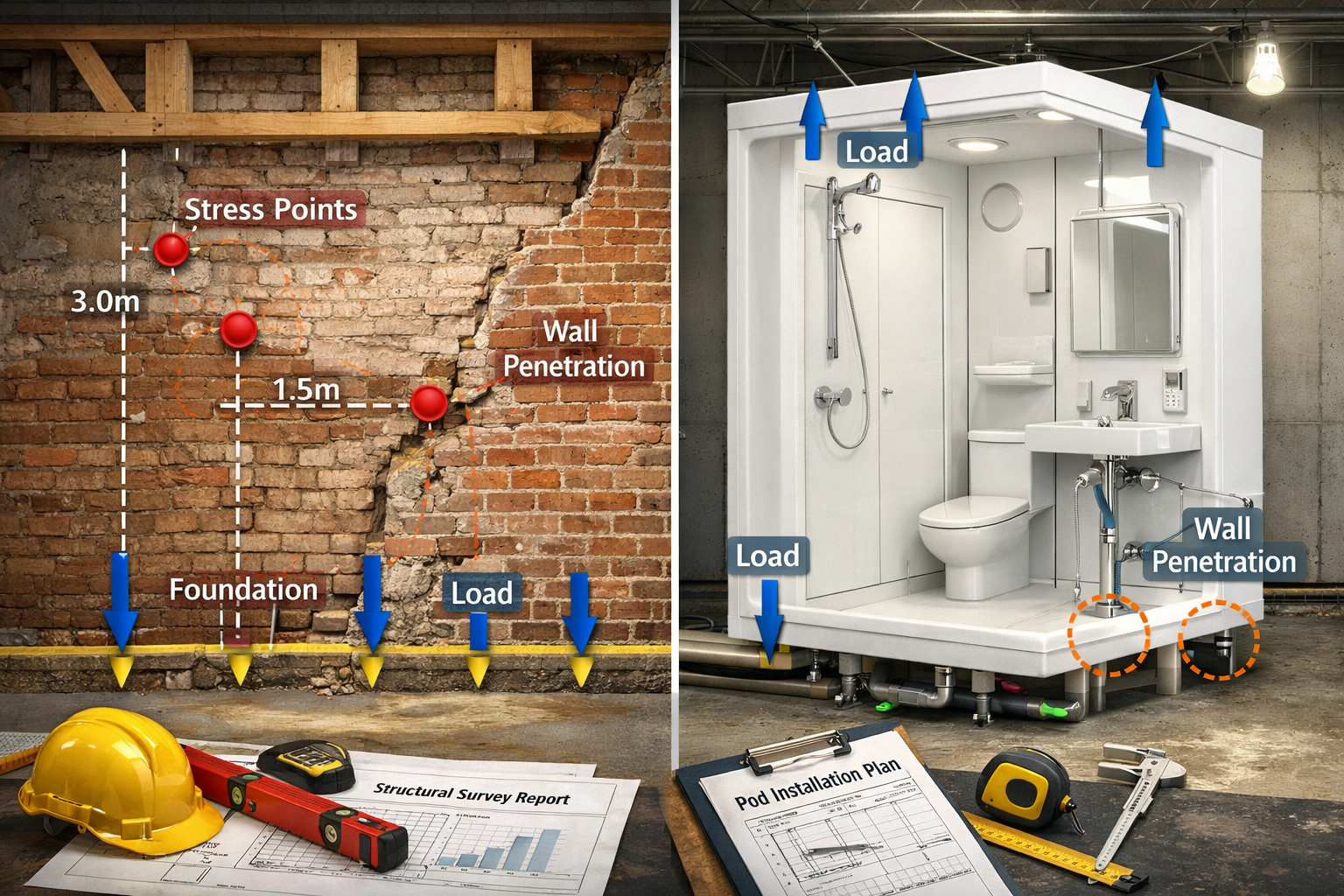
However, this efficiency comes with structural considerations. Bathroom pods weigh between 500-1,200 kg when fully equipped [2], requiring adequate floor support. Installation often necessitates removing existing walls, reinforcing floor joists, and creating access points—work that frequently impacts party walls.
Structural Implications for Party Walls
When bathroom pods are installed in semi-detached houses, terraced properties, or flats, the installation process may affect shared structures. Common scenarios requiring party wall consideration include:
- Wall removal or modification: Creating access for pod delivery often requires enlarging doorways or removing sections of party walls
- Floor reinforcement: Additional structural support may require beam installation that penetrates or loads the party wall
- Foundation work: Heavy pods may necessitate foundation strengthening that extends beneath neighboring property
- Service connections: Routing new plumbing or electrical systems through party wall cavities
The Party Wall Act 1996 governs these situations in England and Wales, establishing clear procedures for notifying neighbors and resolving disputes before work begins.
Party Wall Act Requirements for Bathroom Pod Installations
The Party Wall Act 1996 provides a framework for preventing and resolving disputes related to party walls, boundary walls, and excavations near neighboring buildings. Understanding which bathroom pod installation scenarios trigger party wall requirements is essential for legal compliance.
When Party Wall Notices Are Required
Party wall notices become mandatory when bathroom pod installation involves any of these activities:
Section 1 Works: Building on or astride the boundary line between properties. This rarely applies to bathroom pods unless the installation extends the building footprint.
Section 2 Works: Work to existing party walls or party structures. This is the most relevant category for bathroom pod installations and includes:
- Cutting into party walls to insert beams or structural supports
- Removing chimney breasts that form part of the party wall
- Demolishing and rebuilding party walls
- Underpinning party walls or their foundations
- Raising party walls or adding weathering
Section 6 Works: Excavations within 3 meters of neighboring structures if going deeper than their foundations, or within 6 meters if cutting a line at 45 degrees from the bottom of their foundations. This applies when foundation reinforcement is needed for heavy bathroom pods. Learn more about the 3-metre rule and its implications.
The Notice Process: Step-by-Step
Proper party wall procedure follows a structured timeline:
1. Initial Assessment (8-12 weeks before installation)
Engage a qualified surveyor to assess whether your bathroom pod installation affects party walls. A structural survey identifies potential party wall implications before formal notices.
2. Serving Notice (Minimum 2 months before work)
The building owner must serve formal written notice to all affected adjoining owners. The notice must include:
- Description of proposed works with technical drawings
- Start date for the work
- Details of structural modifications affecting shared walls
- Contact information for the building owner
3. Neighbor Response (14 days)
Adjoining owners have 14 days to respond with either:
- Consent: Work may proceed with agreed conditions
- Dissent: Triggers the party wall surveyor appointment process
- No response: Treated as dissent after 14 days
4. Surveyor Appointment
When consent isn't given, both parties appoint surveyors (or agree on a single "agreed surveyor") to prepare a Party Wall Award. This legally binding document specifies:
- Scope of permitted works
- Working hours and access arrangements
- Protective measures required
- Condition survey requirements
- Dispute resolution procedures
Understanding party wall consent requirements prevents delays and legal complications.
Costs and Financial Considerations
The building owner typically bears all reasonable costs associated with party wall procedures, including:
- Their own surveyor's fees: £700-£1,500
- Neighbor's surveyor fees: £700-£1,500
- Agreed surveyor fees: £1,000-£2,000
- Condition survey costs: £300-£800
Total cost of party wall procedures for bathroom pod installations typically ranges from £1,500-£4,000. While this adds to project expenses, it's significantly less than potential litigation costs or compensation claims for unauthorized work.
Consequences of Non-Compliance
Proceeding with bathroom pod installation without proper party wall notices when required can result in:
- Injunctions: Courts may order immediate work stoppage
- Forced removal: Neighbors can demand removal of installed pods
- Damage liability: Building owners become liable for all damage to property resulting from unauthorized work
- Legal costs: Building owners may pay both parties' legal fees in disputes
- Diminished property value: Non-compliant work affects future sales
If you're wondering what if you do not have a party wall agreement, the consequences can be severe and expensive.
Structural Safeguards and Risk Mitigation Strategies
Party Wall Notices for Bathroom Pod Installations in 2026 Modular Retrofit Booms: Structural Safeguards extend beyond mere legal compliance. Implementing comprehensive protective measures ensures successful installations while maintaining positive neighbor relations and structural integrity.
Pre-Installation Structural Assessments
Before bathroom pod delivery, comprehensive structural evaluation identifies potential risks:
Load-Bearing Capacity Analysis
Professional structural engineering assessments determine whether existing floors and party walls can support bathroom pod weight. This analysis considers:
- Current floor joist condition and spacing
- Party wall structural integrity
- Foundation adequacy for additional loads
- Distribution of weight across supporting structures
Bathroom pods can weigh 500-1,200 kg fully equipped [2], often exceeding the design capacity of older residential floors. Reinforcement may require steel beam installation through or adjacent to party walls, triggering party wall notice requirements.
Condition Surveys
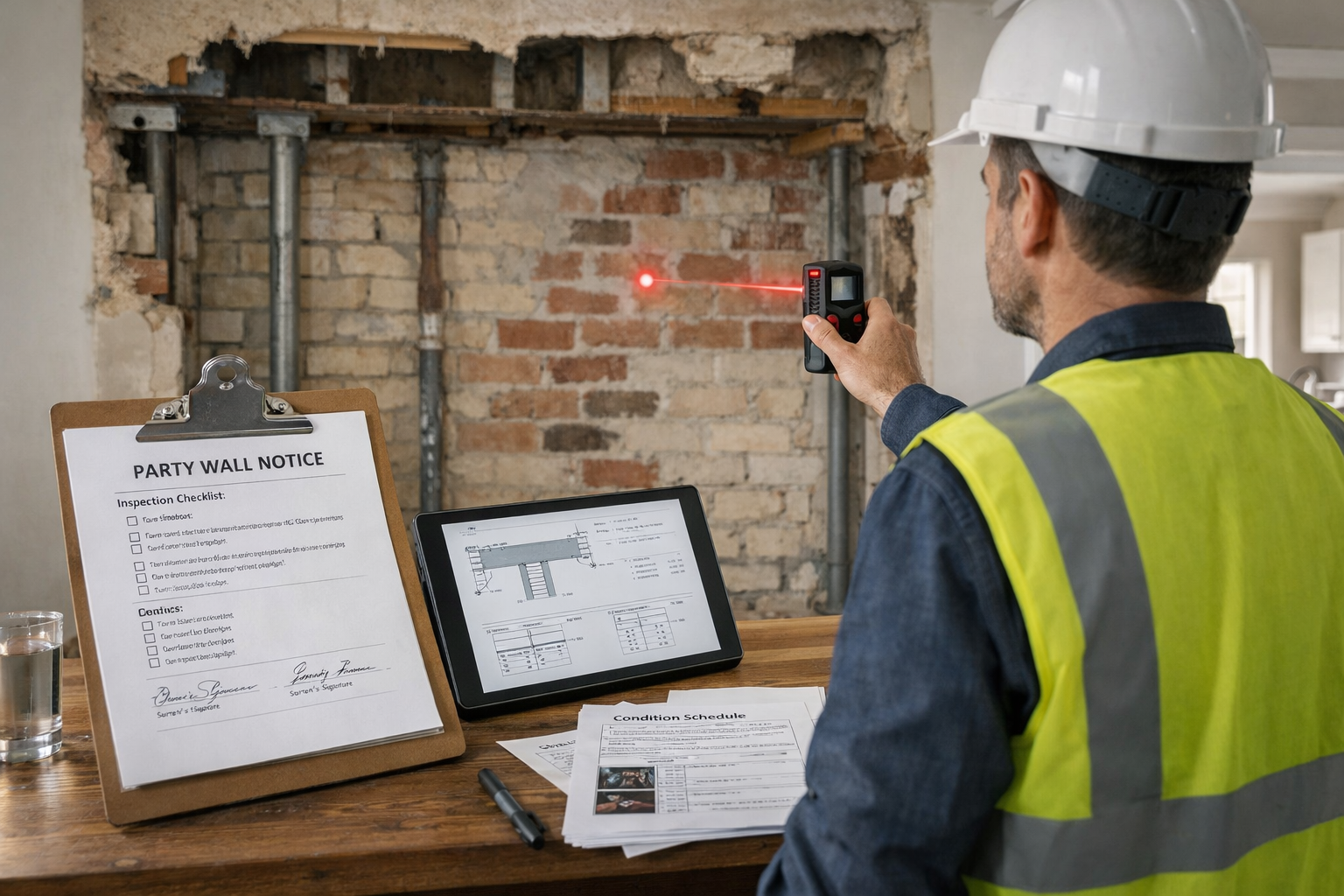
A detailed schedule of condition documents the pre-work state of neighboring properties. This photographic and written record establishes baseline conditions, protecting both parties in future disputes. The survey should document:
- Existing cracks, settlement, or structural defects
- Decorative condition of rooms adjacent to party walls
- Plumbing and drainage system condition
- External wall and foundation condition
This documentation proves invaluable if neighbors later claim installation work caused damage that actually pre-existed.
Installation Best Practices for Party Wall Protection
Implementing protective measures during bathroom pod installation minimizes risk to shared structures:
Vibration Monitoring
Installing bathroom pods often requires demolition work, crane operations, and structural modifications that generate vibration. Excessive vibration can damage party walls, particularly in older properties with lime mortar. Best practices include:
- Installing vibration monitors on party walls during work
- Establishing trigger levels that pause work if exceeded
- Using low-vibration demolition techniques
- Scheduling heavy work during agreed hours
Temporary Support Systems
When bathroom pod installation requires removing load-bearing walls or structures adjacent to party walls, temporary support prevents movement or damage:
- Acrow props supporting party walls during beam installation
- Needling through party walls with proper shoring
- Continuous monitoring of party wall movement
- Immediate remedial action if settlement occurs
Access and Protection Protocols
Clear agreements about site access protect neighbor property:
- Designated access routes avoiding neighbor gardens or driveways
- Protective coverings for shared pathways and structures
- Scheduled delivery times minimizing neighbor disruption
- Emergency contact procedures for unexpected issues
Insurance and Liability Coverage
Adequate insurance coverage is essential for bathroom pod installations affecting party walls:
Building Owner Requirements
- Public liability insurance: Minimum £5 million coverage for third-party property damage
- Contract works insurance: Covers damage to the pod and property during installation
- Professional indemnity: If acting as project manager, covers design and specification errors
Contractor Requirements
Bathroom pod suppliers and installers should carry:
- Public liability insurance (minimum £10 million)
- Employer's liability insurance
- Product liability coverage for pod manufacturing defects
Verify insurance coverage before work commences. Request certificates and confirm policies remain valid throughout the installation period.
Dispute Resolution Mechanisms
Despite best efforts, disagreements may arise during bathroom pod installations. The Party Wall Act provides structured dispute resolution:
Surveyor-Led Resolution
Party wall surveyors act as impartial professionals resolving disputes through:
- Technical assessments of proposed works
- Negotiation of acceptable working methods
- Preparation of Party Wall Awards binding both parties
- Ongoing monitoring of work compliance
Third Surveyor Appointments
When building owner and adjoining owner surveyors cannot agree, they appoint a "third surveyor" whose decision becomes final. This mechanism prevents deadlock without court involvement.
Appeal Rights
Either party may appeal Party Wall Awards to county court within 14 days. However, courts typically uphold surveyor decisions unless procedural errors occurred or decisions were manifestly unreasonable.
Understanding what is a party wall dispute helps parties navigate disagreements professionally and efficiently.
2026 Regulatory Developments and Industry Standards
The modular construction sector's rapid growth has prompted regulatory scrutiny. Recent developments affect bathroom pod installations:
Enhanced Structural Engineering Requirements
Building Control authorities increasingly require detailed structural calculations for bathroom pod installations, particularly in:
- Properties built before 1970 with potentially inadequate floor structures
- Conversions and loft conversions where bathroom pods add concentrated loads
- Buildings with known structural defects or previous settlement
These requirements align with broader concerns about modular construction risks. As one industry analysis notes, "modular construction's big boom" brings "new risks outpacing standard contracts" [5], necessitating enhanced due diligence.
Quality Assurance Standards
The bathroom pod industry has developed quality frameworks ensuring structural integrity:
- Factory production controls: ISO 9001 certification for manufacturing processes
- Structural testing: Load testing of pod frames and floor systems
- Installation certification: Trained installer programs ensuring proper connection to existing structures
These standards reduce installation failures that could damage party walls or neighboring properties [6].
Neighbor Communication Best Practices
Beyond legal requirements, 2026 industry guidance emphasizes proactive neighbor engagement:
Pre-Notice Consultation
Informal discussions before serving formal notices help:
- Explain project benefits and timeline
- Address neighbor concerns early
- Build goodwill reducing formal dispute likelihood
- Identify scheduling preferences minimizing disruption
Ongoing Communication
Regular updates during installation maintain positive relations:
- Weekly progress reports to affected neighbors
- Immediate notification of schedule changes
- Prompt response to concerns or complaints
- Post-installation follow-up confirming satisfaction
This approach transforms party wall procedures from adversarial legal requirements into collaborative processes.
Technology Integration
Modern bathroom pod installations increasingly leverage technology for party wall compliance:
Digital Condition Surveys
High-resolution photography, 3D scanning, and drone surveys create comprehensive pre-work records. These digital schedule of condition reports provide irrefutable evidence of baseline property conditions.
Real-Time Monitoring
IoT sensors track:
- Party wall movement during installation
- Vibration levels from construction activities
- Moisture levels detecting plumbing leaks
- Temperature changes indicating heating system issues
This data enables immediate intervention preventing minor issues from becoming major damage claims.
Virtual Consultations
Video conferencing facilitates surveyor appointments and neighbor discussions without requiring physical meetings, accelerating the notice process and reducing costs.
Practical Guidance for Property Owners and Developers
Successfully navigating Party Wall Notices for Bathroom Pod Installations in 2026 Modular Retrofit Booms: Structural Safeguards requires systematic planning and professional support.
Selecting Qualified Professionals
Engage experienced professionals early in project planning:
Bathroom Pod Suppliers
Choose suppliers with:
- Proven installation track record in similar properties
- Understanding of party wall requirements
- Structural engineering support services
- Comprehensive warranty coverage
Party Wall Surveyors
Select RICS-qualified surveyors with:
- Specific experience in modular construction projects
- Local knowledge of building types and construction methods
- Reputation for fair, balanced awards
- Clear fee structures and service scope
Structural Engineers
Ensure engineers provide:
- Detailed load calculations for pod installations
- Reinforcement specifications meeting Building Regulations
- Party wall impact assessments
- Site supervision during critical installation phases
Project Timeline Planning
Realistic scheduling accounts for party wall procedures:
| Phase | Duration | Key Activities |
|---|---|---|
| Initial Assessment | 2-4 weeks | Structural survey, party wall identification |
| Notice Preparation | 1-2 weeks | Technical drawings, notice drafting |
| Notice Period | 2 months minimum | Neighbor response, surveyor appointments |
| Award Preparation | 4-8 weeks | Condition surveys, award negotiation |
| Installation | 1-3 days | Pod delivery and connection |
| Post-Work Inspection | 1-2 weeks | Verification of no damage, final documentation |
Total timeline: 4-6 months from initial planning to completed installation when party wall procedures apply.
Budget Considerations
Comprehensive budgeting includes:
Direct Costs
- Bathroom pod unit: £5,000-£15,000
- Installation labor: £1,500-£3,000
- Structural modifications: £2,000-£8,000
- Building Control fees: £400-£800
Party Wall Costs
- Surveyor fees: £1,500-£4,000
- Condition surveys: £300-£800
- Additional insurance: £200-£500
Contingency
- Unexpected structural work: 10-15% of total budget
- Dispute resolution: £2,000-£5,000 if required
Total project costs typically range from £12,000-£35,000 depending on pod specification and structural complexity.
Common Pitfalls to Avoid
Learn from frequent mistakes in bathroom pod installations:
❌ Assuming party wall procedures don't apply because work seems minor
✅ Consult qualified surveyors before making assumptions
❌ Serving inadequate notices lacking technical detail
✅ Include comprehensive drawings and specifications
❌ Proceeding before receiving consent or completing party wall awards
✅ Wait for formal approval before scheduling installation
❌ Neglecting condition surveys to save costs
✅ Document pre-work conditions protecting against false damage claims
❌ Choosing inexperienced installers unfamiliar with party wall requirements
✅ Verify installer experience with similar party wall scenarios
For additional guidance, consult our comprehensive party wall FAQ addressing common questions.
Conclusion
Party Wall Notices for Bathroom Pod Installations in 2026 Modular Retrofit Booms: Structural Safeguards represent a critical intersection of construction innovation and property law that cannot be ignored. As bathroom pods become the standard solution for efficient, high-quality bathroom upgrades, understanding and complying with party wall requirements protects both building owners and neighbors from costly disputes and structural damage.
The key principles to remember:
🔑 Early Assessment: Engage qualified surveyors during project planning to identify party wall implications before commitments are made
🔑 Proper Notification: Serve comprehensive party wall notices at least two months before installation, including detailed technical specifications
🔑 Professional Support: Utilize experienced party wall surveyors, structural engineers, and qualified installers familiar with modular construction requirements
🔑 Comprehensive Protection: Implement condition surveys, monitoring systems, and adequate insurance coverage to safeguard all parties
🔑 Proactive Communication: Maintain open dialogue with neighbors throughout the process, transforming legal requirements into collaborative relationships
Next Steps for Property Owners
If you're planning a bathroom pod installation that may affect party walls:
- Schedule a structural assessment to determine whether party wall procedures apply to your specific project
- Engage a qualified party wall surveyor to guide you through the notice process and ensure compliance
- Request detailed quotes from bathroom pod suppliers including party wall considerations and timeline impacts
- Review your insurance coverage to confirm adequate protection for party wall work
- Initiate neighbor discussions early, explaining your plans and addressing concerns proactively
The modular retrofit boom of 2026 offers unprecedented opportunities for rapid, cost-effective property improvements. By understanding and implementing proper party wall safeguards, property owners can realize these benefits while protecting their investments, maintaining positive neighbor relations, and ensuring full legal compliance.
Don't risk costly disputes or project delays. If you're uncertain whether your bathroom pod installation requires party wall notices, or if you've already encountered complications, professional guidance is essential. Contact qualified surveyors who specialize in modular construction projects to ensure your renovation proceeds smoothly, legally, and successfully.
The future of residential retrofitting is modular, efficient, and innovative—but it must also be structurally sound and legally compliant. Party Wall Notices for Bathroom Pod Installations in 2026 Modular Retrofit Booms: Structural Safeguards provide the framework for achieving all these objectives simultaneously.
References
[1] Watch – https://www.youtube.com/watch?v=d20Kn-EG5yM
[2] Mi Oscc Bathroompods 2017 – https://nibs.org/wp-content/uploads/2025/04/MI_OSCC_BathroomPods_2017.pdf
[3] Prefabricated Bathroom Pods Market 100019 – https://www.businessresearchinsights.com/market-reports/prefabricated-bathroom-pods-market-100019
[4] Barndominium Bathroom Pod Design Self Contained Units For Flexibility In An Open Plan – https://alldraft.com/barndominium-bathroom-pod-design-self-contained-units-for-flexibility-in-an-open-plan/
[5] Modular Constructions Big Boom New Risks Outpacing Standard Contracts In Industrial Projects – https://constructionexec.com/article/modular-constructions-big-boom-new-risks-outpacing-standard-contracts-in-industrial-projects/
[6] The Smarter Standard Why Modular Bathroom Pods Are Reshaping Construction Projects – https://www.bandtmfg.com/the-smarter-standard-why-modular-bathroom-pods-are-reshaping-construction-projects/