Town Planning Surveyor: Your Complete Guide to This Essential Profession in 2026
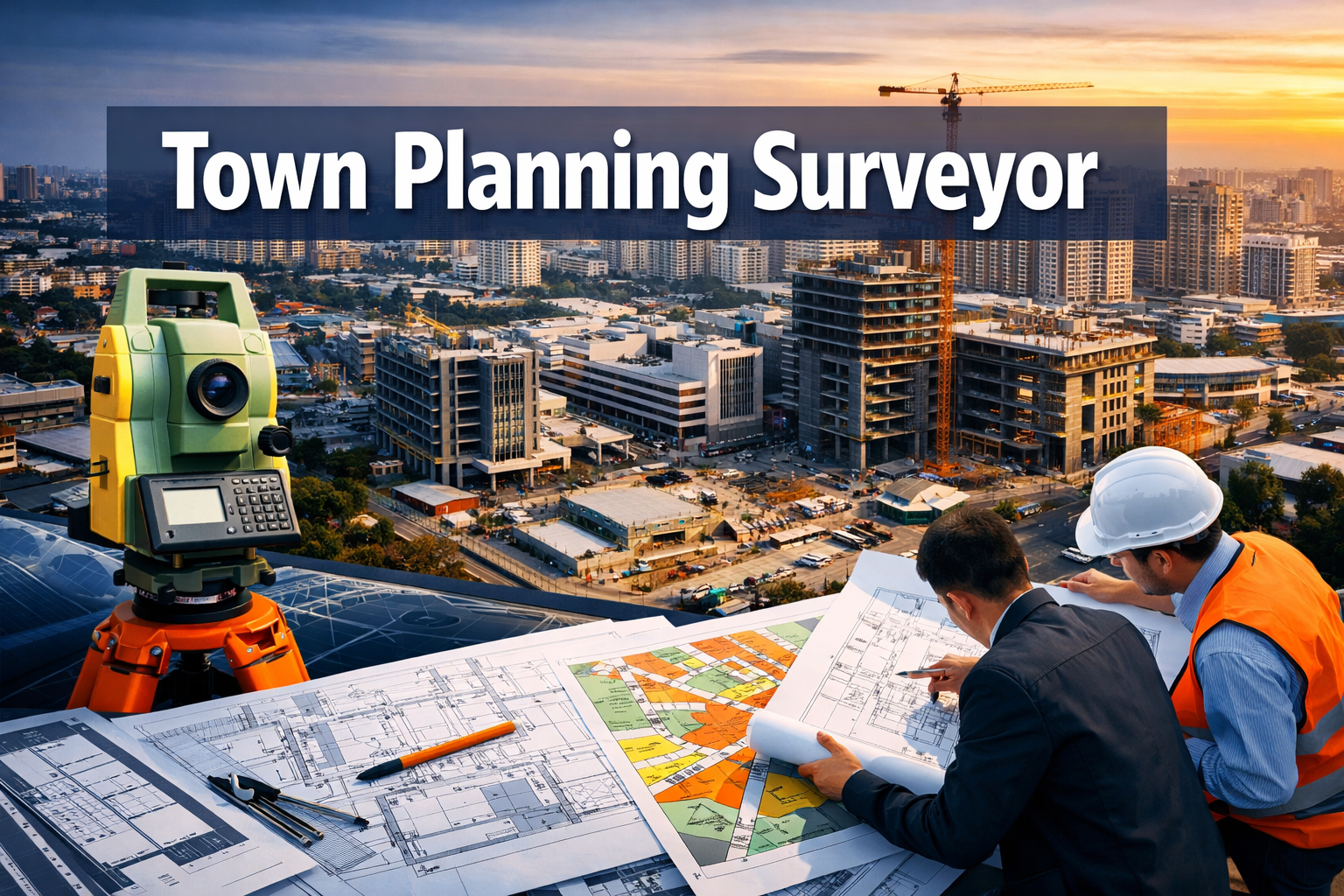
Imagine standing at the intersection of urban development, environmental sustainability, and community growth—where every decision shapes the future of cities and towns for generations to come. This is the world of the town planning surveyor, a professional who combines technical expertise with strategic vision to guide how our communities develop and evolve.
A town planning surveyor plays a critical role in modern urban development, ensuring that construction projects comply with planning regulations, zoning laws, and environmental standards. These professionals bridge the gap between property developers, local authorities, and communities, making certain that development projects meet legal requirements while serving the public interest. In 2026, as cities face unprecedented challenges from population growth, climate change, and housing shortages, the expertise of town planning surveyors has never been more valuable.
Key Takeaways
- 🏗️ Town planning surveyors combine surveying expertise with planning knowledge to guide property development and ensure regulatory compliance
- 📋 These professionals assess land suitability, prepare planning applications, and provide expert advice on zoning regulations and development potential
- 💼 The role requires specialized qualifications, typically including RICS accreditation and knowledge of planning law, environmental regulations, and land surveying techniques
- 📈 Career prospects remain strong in 2026, with growing demand driven by urban development, infrastructure projects, and sustainable planning initiatives
- 🔍 Town planning surveyors work across residential, commercial, and public sector projects, making them essential to the built environment industry
What Is a Town Planning Surveyor?
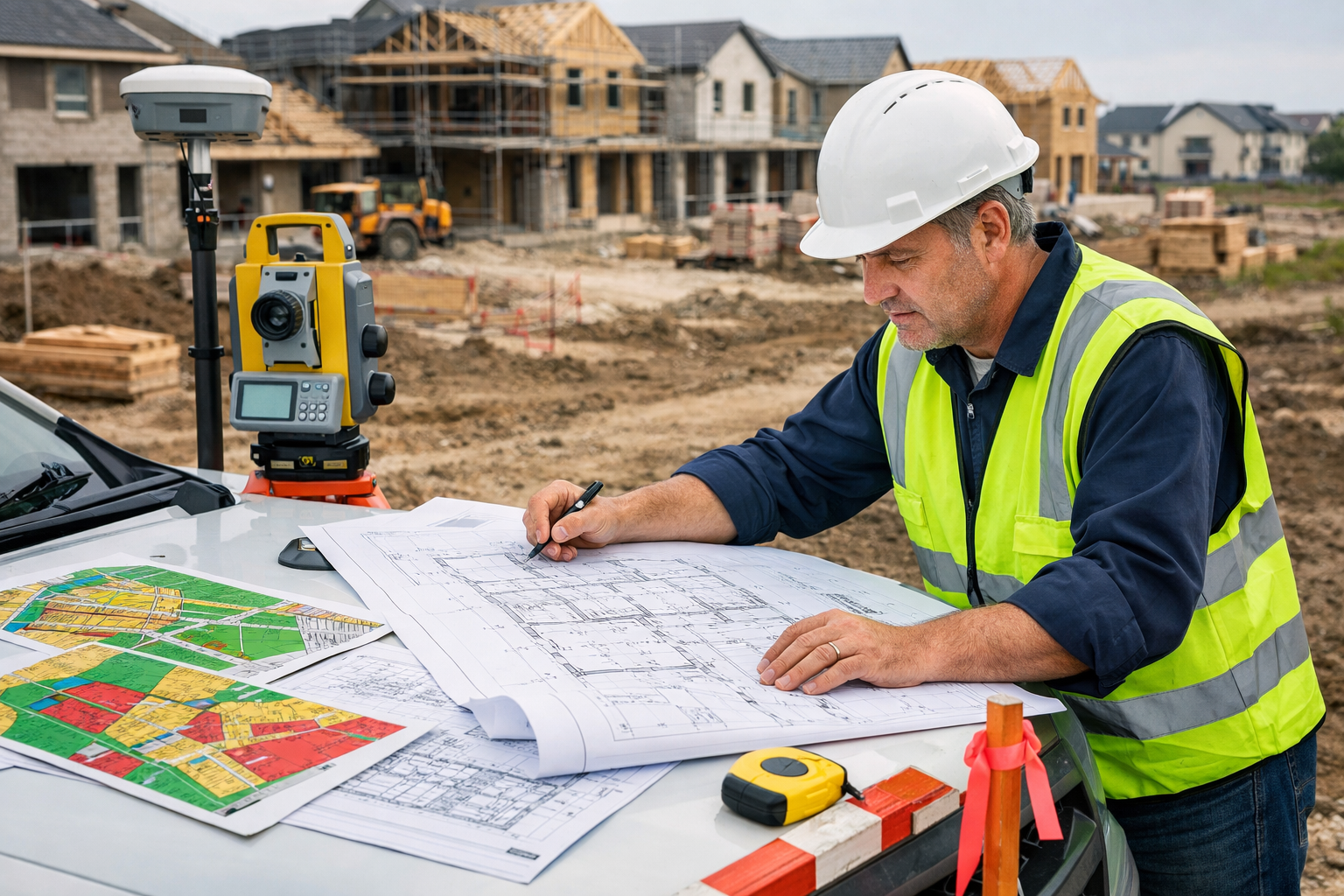
A town planning surveyor is a specialized professional who combines the technical skills of surveying with comprehensive knowledge of urban planning regulations and land use policies. Unlike general surveyors who focus primarily on property measurements and valuations, town planning surveyors concentrate on the planning aspects of property development—assessing whether proposed projects align with local planning policies, zoning requirements, and development frameworks.
These professionals serve as crucial advisors throughout the development process, from initial site assessment through to final approval. They conduct detailed site analyses, prepare planning applications, liaise with local planning authorities, and provide strategic guidance on how to maximize development potential while maintaining compliance with regulatory frameworks.
Core Responsibilities
The daily work of a town planning surveyor encompasses a diverse range of activities:
Planning Application Preparation 📝
- Compiling comprehensive planning applications with supporting documentation
- Preparing design and access statements
- Coordinating with architects, engineers, and other consultants
- Ensuring applications meet all local and national planning policy requirements
Site Assessment and Analysis 🔍
- Conducting detailed site surveys and feasibility studies
- Evaluating constraints such as flood risk, contamination, or protected species
- Assessing access, infrastructure, and utilities availability
- Analyzing the planning history and context of development sites
Regulatory Compliance ⚖️
- Interpreting planning policies, zoning regulations, and building codes
- Advising clients on permitted development rights
- Ensuring projects comply with environmental regulations
- Monitoring changes to planning legislation and guidance
Stakeholder Liaison 🤝
- Negotiating with local planning authorities and planning officers
- Engaging with community groups and addressing objections
- Coordinating with statutory consultees (highways, environment agencies, conservation officers)
- Presenting cases at planning committee meetings and appeals
Working with professional surveyors who understand both the technical and regulatory aspects of development can significantly improve project outcomes and reduce approval timelines.
The Difference Between Town Planning Surveyors and Other Surveying Professionals
Understanding the distinctions between various surveying specializations helps clarify the unique value that town planning surveyors bring to development projects. While all surveyors work within the built environment, their focus areas and expertise differ significantly.
| Surveyor Type | Primary Focus | Key Activities | Typical Projects |
|---|---|---|---|
| Town Planning Surveyor | Planning compliance & development strategy | Planning applications, policy interpretation, site feasibility | Residential developments, commercial projects, change of use |
| Building Surveyor | Building condition & construction | Structural surveys, defect analysis, project management | Property inspections, renovation projects, building pathology |
| Valuation Surveyor | Property valuation & market analysis | Property valuations, market reports, investment advice | Probate valuations, mortgage valuations, capital gains tax |
| Land Surveyor | Precise measurements & mapping | Topographic surveys, boundary surveys, setting out | Construction projects, land registration, infrastructure |
| Quantity Surveyor | Construction costs & contracts | Cost estimation, contract administration, value engineering | Budget management, procurement, cost control |
A town planning surveyor specifically focuses on navigating the planning system to secure development permissions. They possess deep knowledge of:
- Local and national planning policy frameworks
- Development plan documents and supplementary planning guidance
- Material planning considerations and planning case law
- Environmental impact assessment procedures
- Heritage and conservation area regulations
This specialized knowledge makes them invaluable when dealing with complex or contentious planning applications, particularly for sites with planning constraints or where policy interpretation is critical to success.
Qualifications and Skills Required for Town Planning Surveyors
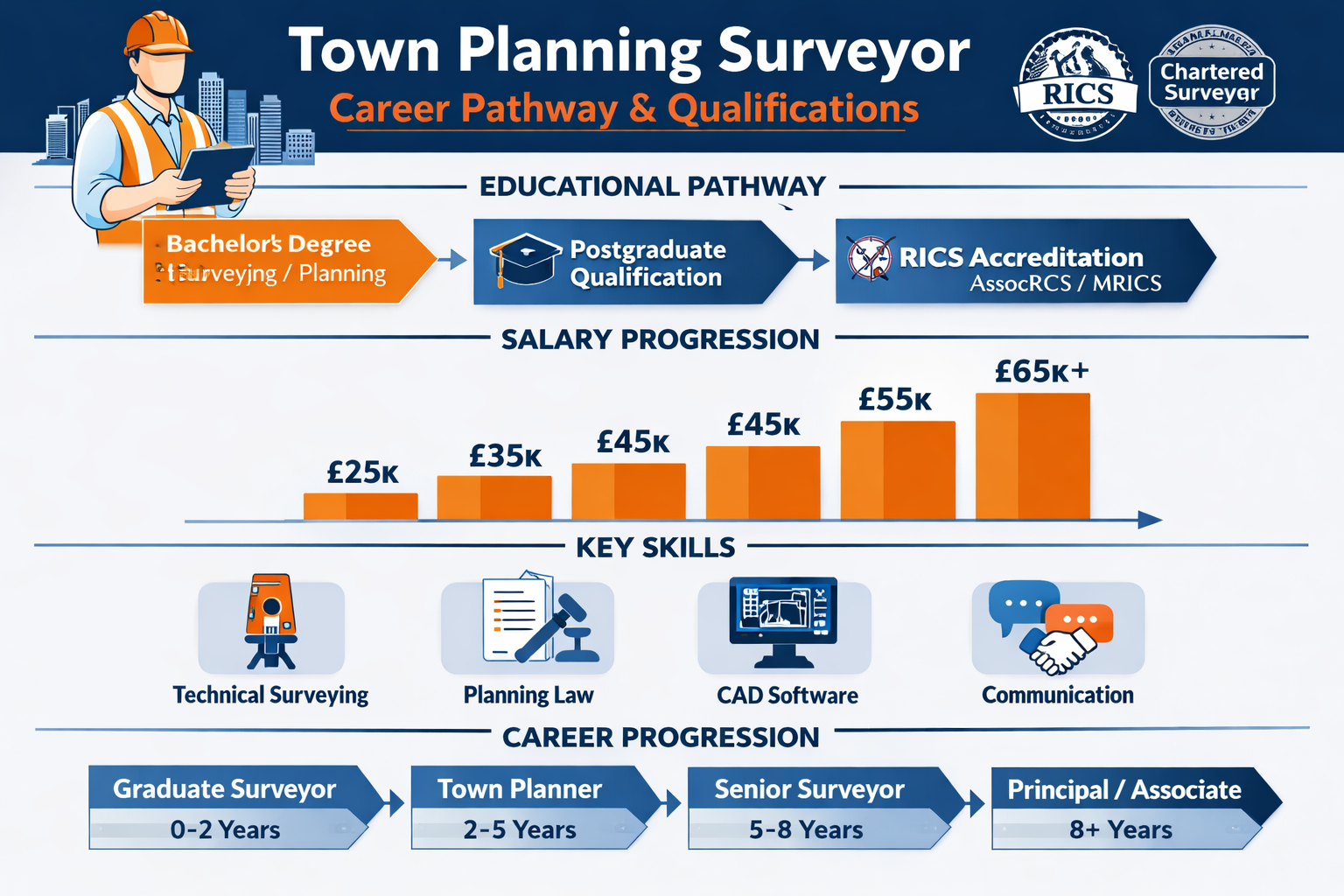
Becoming a successful town planning surveyor requires a combination of formal education, professional accreditation, and practical experience. The pathway typically involves several key stages:
Educational Requirements 🎓
Undergraduate Degree
Most town planning surveyors hold a degree in one of the following disciplines:
- Town Planning or Urban Planning
- Real Estate or Property Development
- Surveying (with planning specialization)
- Geography with Planning
- Architecture or Urban Design
Degrees accredited by the Royal Institution of Chartered Surveyors (RICS) or the Royal Town Planning Institute (RTPI) provide the most direct route to professional qualification.
Postgraduate Study
Many professionals enhance their credentials with:
- Master’s degrees in Planning, Development, or Real Estate
- Postgraduate diplomas in Town Planning
- Specialized courses in environmental planning or urban regeneration
Professional Accreditation
RICS Chartered Status ⭐
Achieving chartered surveyor status through RICS demonstrates professional competence and commitment to ethical standards. The process involves:
- Completing an accredited degree or relevant experience
- Undertaking the Assessment of Professional Competence (APC)
- Demonstrating competencies in planning and development
- Passing a final assessment interview
RTPI Membership
Some town planning surveyors also pursue membership with the Royal Town Planning Institute, which requires:
- An RTPI-accredited planning qualification
- Professional practice experience
- Commitment to continuing professional development
Learn more about professional qualifications and standards that ensure quality service delivery.
Essential Skills and Competencies
Beyond formal qualifications, successful town planning surveyors develop a comprehensive skill set:
Technical Knowledge 🔧
- Understanding of planning law and policy frameworks
- Familiarity with Geographic Information Systems (GIS)
- Knowledge of environmental assessment procedures
- Competence in reading and interpreting architectural drawings
- Understanding of land use economics and development viability
Analytical Skills 📊
- Ability to assess complex planning situations
- Critical evaluation of planning policies and precedents
- Risk assessment and mitigation strategies
- Site constraint analysis and opportunity identification
Communication Skills 💬
- Clear written communication for planning statements and reports
- Persuasive presentation abilities for committee meetings
- Negotiation skills for dealing with planning authorities
- Ability to explain technical matters to non-specialist clients
Project Management 📅
- Coordinating multi-disciplinary teams
- Managing application timelines and deadlines
- Budget management and resource allocation
- Quality assurance and document control
Career Path and Opportunities for Town Planning Surveyors
The career trajectory for a town planning surveyor offers diverse opportunities across public and private sectors, with clear progression pathways and competitive remuneration.
Career Stages and Salary Expectations 💰
Graduate/Assistant Town Planning Surveyor (0-2 years)
- Starting salary: £24,000 – £30,000
- Focus on supporting senior colleagues with application preparation
- Learning planning systems and building technical knowledge
- Conducting site visits and research
Town Planning Surveyor (2-5 years)
- Salary range: £30,000 – £45,000
- Managing smaller projects independently
- Preparing and submitting planning applications
- Building relationships with planning authorities
- Developing specialization areas
Senior Town Planning Surveyor (5-10 years)
- Salary range: £45,000 – £60,000
- Leading major development projects
- Mentoring junior staff members
- Handling complex or contentious applications
- Contributing to business development
Principal/Director (10+ years)
- Salary range: £60,000 – £85,000+
- Strategic leadership and business management
- Client relationship management at senior level
- Expert witness testimony and appeals
- Shaping company direction and growth
Employment Sectors
Town planning surveyors find opportunities across various sectors:
Private Consultancies 🏢
The majority work for planning and development consultancies, advising property developers, landowners, and businesses on planning matters. These roles offer variety, exposure to diverse projects, and opportunities for rapid career progression.
Property Development Companies 🏗️
Some surveyors work in-house for developers, managing the planning aspects of development portfolios. This provides deep involvement in projects from conception through completion.
Local Authorities 🏛️
Public sector roles involve assessing planning applications, enforcing planning regulations, and developing planning policies. These positions offer job security and the opportunity to shape local communities.
Infrastructure and Utilities ⚡
Energy companies, transport authorities, and utility providers employ town planning surveyors to navigate planning requirements for major infrastructure projects.
Understanding various assessment types helps town planning surveyors provide comprehensive advice to clients across different project scenarios.
Specialization Areas
As careers progress, many town planning surveyors develop expertise in specific areas:
- Residential Development: Housing schemes, affordable housing, and urban extensions
- Commercial Development: Retail, office, and mixed-use developments
- Industrial and Logistics: Warehouses, manufacturing facilities, and distribution centers
- Heritage and Conservation: Listed buildings and conservation area developments
- Environmental Planning: Renewable energy projects and sustainability assessments
- Urban Regeneration: Brownfield redevelopment and town center revitalization
The Town Planning Surveyor’s Role in Property Development
Understanding how a town planning surveyor contributes to property development projects illuminates their essential value throughout the development lifecycle.
Pre-Acquisition Stage 🔎
Before purchasing development land, savvy investors and developers engage town planning surveyors to:
Conduct Planning Feasibility Studies
- Assess the site’s development potential under current planning policies
- Identify planning constraints (conservation areas, flood zones, tree preservation orders)
- Evaluate the likelihood of securing planning permission
- Estimate realistic development densities and uses
Perform Planning Due Diligence
- Review planning history and previous applications
- Identify any planning conditions or legal agreements affecting the site
- Check for enforcement notices or planning breaches
- Assess neighboring developments and planning applications
Provide Development Appraisals
- Advise on optimal development scenarios
- Estimate planning risk and mitigation strategies
- Recommend pre-application engagement strategies
- Inform land valuation and purchase decisions
This early involvement can save developers from costly mistakes and ensure that land purchases represent genuine development opportunities. For comprehensive property assessments, explore various valuation services that complement planning advice.
Planning Application Stage 📋
Once a site is secured, the town planning surveyor takes the lead in securing planning permission:
Pre-Application Consultation
- Engaging with local planning authorities before formal submission
- Presenting development proposals to planning officers
- Identifying and addressing potential objections early
- Refining proposals based on officer feedback
Application Preparation and Submission
- Coordinating with architects, engineers, and environmental consultants
- Preparing comprehensive planning statements demonstrating policy compliance
- Compiling supporting documents (design statements, transport assessments, ecological surveys)
- Managing the submission process and ensuring completeness
Application Management
- Responding to planning officer queries and requests for additional information
- Negotiating amendments to address concerns
- Liaising with statutory consultees (highways, environment, conservation)
- Addressing public objections and concerns
Committee Presentations
- Preparing presentations for planning committee meetings
- Speaking at committee hearings to support applications
- Answering member questions and addressing concerns
- Negotiating conditions and legal agreements
Post-Permission Phase ✅
After planning permission is granted, town planning surveyors continue to provide valuable services:
Discharging Planning Conditions
- Preparing submissions to satisfy pre-commencement conditions
- Coordinating with specialists to provide required information
- Managing the approval process for reserved matters
- Ensuring compliance with approved plans
Monitoring and Compliance
- Advising on permitted changes during construction
- Assessing whether amendments require new applications
- Managing non-material amendment applications
- Ensuring development proceeds in accordance with permissions
Planning Appeals
- Preparing and managing appeals against refusal decisions
- Coordinating expert evidence and witness statements
- Representing clients at appeal hearings and inquiries
- Negotiating with planning authorities during appeal processes
For projects requiring expert testimony, town planning surveyors may work alongside expert witnesses to present technical evidence.
Key Planning Considerations in 2026
The planning landscape continues to evolve, and town planning surveyors must stay current with emerging priorities and policy changes affecting development in 2026.
Sustainability and Climate Change 🌍
Environmental considerations now dominate planning decisions:
Net Zero Carbon Targets
- New developments must demonstrate carbon reduction strategies
- Increased focus on energy efficiency and renewable energy integration
- Requirements for lifecycle carbon assessments
- Pressure to exceed minimum building regulation standards
Climate Adaptation
- Stricter flood risk assessment requirements
- Sustainable drainage systems (SuDS) mandatory for most developments
- Urban heat island mitigation strategies
- Climate resilience incorporated into design
Biodiversity Net Gain
- Mandatory 10% biodiversity net gain for most developments
- Ecological impact assessments and mitigation strategies
- Creation and enhancement of habitats
- Long-term management and monitoring requirements
Housing Delivery and Affordability 🏘️
The housing crisis remains a central planning concern:
Affordable Housing Requirements
- Increased affordable housing percentages in many areas
- Viability assessments scrutinized more rigorously
- First Homes requirements affecting tenure mix
- Build-to-rent considerations in housing strategies
Housing Mix and Design
- Requirements for diverse housing types and sizes
- Accessibility standards (M4(2) and M4(3))
- Space standards and room sizes
- Design quality and place-making principles
Digital Planning Transformation 💻
Technology is reshaping how planning applications are prepared and determined:
Digital Planning Applications
- Move toward fully digital submission processes
- 3D modeling and visualization requirements
- GIS-based application platforms
- Automated validation and consultation processes
Data-Driven Decision Making
- Increased use of planning data and analytics
- Evidence-based policy development
- Performance monitoring and transparency
- Public access to planning information
Heritage and Conservation ⚜️
Balancing development with heritage protection remains crucial:
Listed Buildings and Conservation Areas
- Detailed heritage impact assessments
- Sympathetic design and materials
- Engagement with conservation officers and heritage bodies
- Understanding of heritage significance and special interest
Enabling Development
- Using development to fund heritage asset restoration
- Demonstrating public benefits
- Careful balance between harm and benefit
For properties with heritage considerations, specialized valuations such as those for matrimonial purposes may require additional heritage expertise.
Working with a Town Planning Surveyor: What to Expect
Engaging a town planning surveyor can significantly improve your development project’s chances of success. Understanding what to expect from this professional relationship helps maximize value.
Initial Consultation and Site Assessment 🤝
The relationship typically begins with:
Project Discussion
- Understanding your development objectives and constraints
- Reviewing site details, ownership, and existing uses
- Discussing budget, timeline, and risk tolerance
- Explaining the planning process and likely requirements
Site Visit and Analysis
- Conducting a thorough site inspection
- Assessing physical constraints and opportunities
- Evaluating the site context and surroundings
- Photographing and documenting existing conditions
Desktop Research
- Reviewing planning policies and designations
- Checking planning history and neighboring applications
- Identifying statutory consultees and likely concerns
- Researching relevant planning decisions and appeals
Fee Structures and Costs 💷
Town planning surveyor fees vary based on project complexity:
Fee Arrangements
- Hourly rates: £100-£250+ per hour depending on experience
- Fixed fees: For straightforward applications (£2,000-£10,000+)
- Percentage fees: Typically 1-3% of construction costs for major projects
- Retainer arrangements: For ongoing advisory services
Factors Affecting Costs
- Project size and complexity
- Planning risk and likelihood of objections
- Number of supporting documents required
- Whether pre-application advice is needed
- Potential for appeals or committee hearings
Understanding valuation costs alongside planning fees helps budget comprehensively for development projects.
Communication and Project Management 📞
Effective town planning surveyors maintain clear communication:
Regular Updates
- Progress reports on application preparation and submission
- Notification of planning authority correspondence
- Alerts to emerging issues or concerns
- Timeline updates and milestone tracking
Transparent Advice
- Honest assessment of planning prospects
- Clear explanation of risks and challenges
- Realistic timelines and expectations
- Options analysis for difficult decisions
Collaborative Approach
- Working effectively with your wider professional team
- Coordinating with architects, engineers, and other consultants
- Involving you in key decisions and strategy
- Seeking your input on negotiation positions
Measuring Success 📈
Successful outcomes from town planning surveyor engagement include:
✅ Planning Permission Secured
- Approval granted with acceptable conditions
- Development potential maximized
- Policy compliance demonstrated
- Stakeholder concerns addressed
✅ Time and Cost Efficiency
- Applications determined within statutory timelines
- Minimal requests for additional information
- Reduced risk of appeals or legal challenges
- Smooth progression through the planning system
✅ Strategic Value Added
- Enhanced development value through planning optimization
- Risk mitigation through early identification of issues
- Improved relationships with planning authorities
- Knowledge transfer to inform future projects
Common Challenges Town Planning Surveyors Help Overcome
Town planning surveyors navigate numerous obstacles that can derail development projects. Their expertise proves invaluable in addressing these common challenges:
Policy Conflicts and Interpretation 📚
Planning policies can be complex, contradictory, or ambiguous:
Challenge: Development proposals that conflict with specific planning policies while supporting broader objectives.
Solution: Town planning surveyors craft compelling planning arguments that:
- Demonstrate compliance with the development plan taken as a whole
- Identify material considerations that outweigh policy conflicts
- Reference planning case law and appeal decisions
- Present fallback positions and alternative scenarios
Neighbor Objections and Community Opposition 🗣️
Public opposition can influence planning decisions significantly:
Challenge: Organized objection campaigns raising concerns about traffic, privacy, character, or amenity impacts.
Solution: Experienced surveyors address concerns through:
- Comprehensive impact assessments demonstrating minimal harm
- Design modifications responding to legitimate concerns
- Community engagement and consultation
- Clear communication of development benefits
- Technical evidence refuting unfounded objections
Technical Constraints and Site Limitations ⚠️
Physical and environmental constraints can limit development potential:
Challenge: Sites affected by flood risk, contamination, ecology, highways, or infrastructure constraints.
Challenge: Sites affected by flood risk, contamination, ecology, highways, or infrastructure constraints.
Solution: Town planning surveyors coordinate specialist assessments and develop mitigation strategies:
- Flood risk assessments and drainage strategies
- Ecological surveys and biodiversity enhancement
- Transport assessments and access improvements
- Contamination investigations and remediation plans
- Infrastructure capacity assessments and upgrade contributions
Viability and Affordable Housing Negotiations 💰
Balancing development viability with planning obligations requires careful negotiation:
Challenge: Meeting affordable housing requirements and other planning obligations while maintaining project viability.
Solution: Town planning surveyors work with viability consultants to:
- Prepare robust financial viability assessments
- Negotiate realistic affordable housing percentages
- Structure planning obligations and payment timing
- Demonstrate genuine viability constraints
- Propose alternative contributions or phased delivery
For complex property matters requiring detailed financial assessments, services like shared ownership valuations may complement planning advice.
Planning Appeals and Public Inquiries ⚖️
When applications are refused, town planning surveyors guide the appeals process:
Challenge: Overturning refusal decisions through the planning appeals system.
Solution: Surveyors manage appeals by:
- Assessing appeal prospects and recommending appropriate routes
- Preparing comprehensive statements of case
- Coordinating expert witnesses and technical evidence
- Presenting cases at hearings or inquiries
- Cross-examining planning authority witnesses
- Negotiating revised schemes during appeal proceedings
The Future of Town Planning Surveying
The profession continues to evolve in response to technological advances, policy changes, and societal priorities. Understanding emerging trends helps appreciate where the role of the town planning surveyor is heading in 2026 and beyond.
Technology and Innovation 🚀
Artificial Intelligence and Automation
- AI-powered policy analysis and compliance checking
- Automated document preparation and validation
- Predictive analytics for planning decision outcomes
- Machine learning for precedent research
Virtual and Augmented Reality
- Immersive visualization of development proposals
- Virtual site visits and inspections
- AR-enhanced community consultation
- Digital twins for planning assessment
Blockchain and Smart Contracts
- Transparent tracking of planning obligations
- Automated enforcement of planning conditions
- Secure land registry and ownership records
- Smart contracts for Section 106 agreements
Policy and Regulatory Evolution 📋
Planning Reform
- Ongoing changes to the planning system
- Zoning and permitted development expansion
- Streamlined approval processes
- Greater emphasis on design codes and local plans
Environmental Standards
- Stricter carbon reduction requirements
- Enhanced biodiversity and nature recovery obligations
- Circular economy and resource efficiency
- Climate adaptation and resilience standards
Leveling Up and Place-Making
- Focus on regeneration and community benefits
- Design quality and beauty priorities
- Infrastructure investment and connectivity
- Social value and community engagement
Skills and Competencies for the Future 🎯
Tomorrow’s town planning surveyors will need:
Technical Proficiency
- Advanced digital skills and software competence
- Data analysis and interpretation abilities
- Understanding of environmental science and sustainability
- Knowledge of emerging construction technologies
Strategic Thinking
- Long-term vision and scenario planning
- Systems thinking and interconnected challenges
- Innovation and creative problem-solving
- Adaptability to rapid change
Collaboration and Communication
- Multi-stakeholder engagement and facilitation
- Cross-disciplinary team working
- Public speaking and presentation skills
- Cultural awareness and inclusive practice
For those interested in the broader context of property assessment and valuation, exploring RICS-registered valuers provides insight into professional standards across the surveying profession.
How to Choose the Right Town Planning Surveyor
Selecting the appropriate town planning surveyor for your project is crucial to achieving successful outcomes. Consider these factors when making your decision:
Experience and Track Record 🏆
Relevant Project Experience
- Look for surveyors with experience in your development type (residential, commercial, industrial)
- Check their success rate with similar projects
- Ask for case studies and references
- Verify experience with your local planning authority
Local Knowledge
- Understanding of local planning policies and politics
- Established relationships with planning officers
- Knowledge of local development context and precedents
- Familiarity with local consultation requirements
Professional Credentials ✅
Qualifications and Memberships
- RICS chartered status (MRICS or FRICS)
- RTPI membership where appropriate
- Continuing professional development commitment
- Professional indemnity insurance coverage
Specializations
- Specific expertise in relevant areas (heritage, environment, appeals)
- Technical knowledge of complex planning matters
- Expert witness experience if appeals are likely
Communication and Approach 💬
Responsiveness
- Prompt responses to inquiries
- Accessibility and availability
- Clear communication style
- Proactive updates and information sharing
Strategic Thinking
- Ability to see the bigger picture
- Creative problem-solving approach
- Risk assessment and management
- Long-term planning perspective
Value and Service 💼
Fee Transparency
- Clear fee structures and estimates
- No hidden costs or unexpected charges
- Value for money relative to experience and service
- Flexible fee arrangements where appropriate
Service Quality
- Comprehensive service offering
- Attention to detail and thoroughness
- Quality of written submissions and presentations
- Project management capabilities
Engaging with experienced chartered surveyors ensures you receive professional service backed by rigorous standards and ethical practice.
Frequently Asked Questions About Town Planning Surveyors
Q: When should I engage a town planning surveyor? 🕐
A: Ideally, engage a town planning surveyor before purchasing development land or as early as possible in your project planning. Early involvement allows them to assess planning feasibility, identify constraints, and develop optimal strategies before significant commitments are made.
Q: How long does the planning application process take?
A: Statutory determination periods are 8 weeks for minor applications and 13 weeks for major applications. However, actual timelines vary significantly based on application complexity, local authority workload, and whether issues arise requiring additional information or negotiation. Your town planning surveyor can provide realistic timelines based on local circumstances.
Q: Can a town planning surveyor guarantee planning permission?
A: No professional can guarantee planning permission, as decisions rest with local planning authorities. However, experienced town planning surveyors can accurately assess prospects, maximize approval chances, and develop strategies to overcome obstacles.
Q: What’s the difference between outline and full planning permission?
A: Outline planning permission establishes the principle of development with some details reserved for later approval. Full planning permission includes all details and allows immediate commencement. Your town planning surveyor can advise which approach suits your project best.
Q: Do I need a town planning surveyor for permitted development?
A: While permitted development rights allow certain works without planning permission, the rules are complex with numerous conditions and limitations. A town planning surveyor can confirm whether your proposal qualifies and help navigate the prior approval process where required.
Q: How much does a town planning surveyor cost?
A: Fees vary widely based on project complexity, ranging from £2,000-£5,000 for straightforward residential extensions to £10,000-£50,000+ for major development projects. Request detailed fee proposals from multiple surveyors to compare value and services offered.
Q: Can a town planning surveyor help with planning appeals?
A: Yes, planning appeals are a core service area for town planning surveyors. They can assess appeal prospects, prepare appeal submissions, coordinate evidence, and represent you at hearings or inquiries.
For additional guidance on property-related matters, explore the comprehensive blog resources covering various surveying and valuation topics.
Conclusion: The Indispensable Role of Town Planning Surveyors
The town planning surveyor occupies a unique and vital position in the property development ecosystem. These professionals combine technical expertise, regulatory knowledge, and strategic thinking to navigate the complex planning system and unlock development potential. In 2026, as urban areas face mounting pressures from housing shortages, climate change, and infrastructure demands, the role of town planning surveyors has never been more critical.
Whether you’re a property developer seeking to maximize site value, a landowner exploring development options, or a business requiring planning advice for expansion, engaging an experienced town planning surveyor provides significant advantages. Their expertise can mean the difference between planning approval and costly refusal, between optimal development value and missed opportunities, between smooth project delivery and protracted delays.
Key Takeaways for Success 🎯
For Developers and Landowners:
- Engage town planning surveyors early in the development process
- Choose professionals with relevant experience and local knowledge
- Invest in thorough planning feasibility studies before land acquisition
- Maintain open communication and collaborative relationships
- View planning as a strategic opportunity, not merely a regulatory hurdle
For Aspiring Town Planning Surveyors:
- Pursue relevant qualifications and professional accreditation
- Develop both technical knowledge and soft skills
- Stay current with policy changes and emerging trends
- Build strong relationships with planning authorities and professionals
- Embrace technology and innovation in planning practice
For the Built Environment Industry:
- Recognize the strategic value town planning surveyors provide
- Support professional development and knowledge sharing
- Collaborate across disciplines for better outcomes
- Advocate for planning system improvements
- Prioritize quality and sustainability in development
Next Steps 🚀
If you’re considering a development project or need planning advice:
- Assess Your Needs: Identify the scope and complexity of your planning requirements
- Research Professionals: Find town planning surveyors with relevant experience and credentials
- Request Consultations: Meet with multiple surveyors to discuss your project and compare approaches
- Check References: Speak with previous clients about their experiences and outcomes
- Engage Early: Bring your chosen surveyor on board as early as possible for maximum benefit
For comprehensive surveying and valuation services delivered by qualified professionals, contact experienced chartered surveyors who can guide you through every aspect of your property development journey.
The planning system shapes our built environment and influences how communities develop and thrive. Town planning surveyors serve as essential guides through this complex landscape, ensuring that development projects meet regulatory requirements while delivering value for clients and benefits for communities. Their expertise, professionalism, and strategic vision make them indispensable partners in creating the sustainable, well-planned developments that will define our cities and towns for generations to come.